Introduction: A New Era for Cardiogenic Shock Management
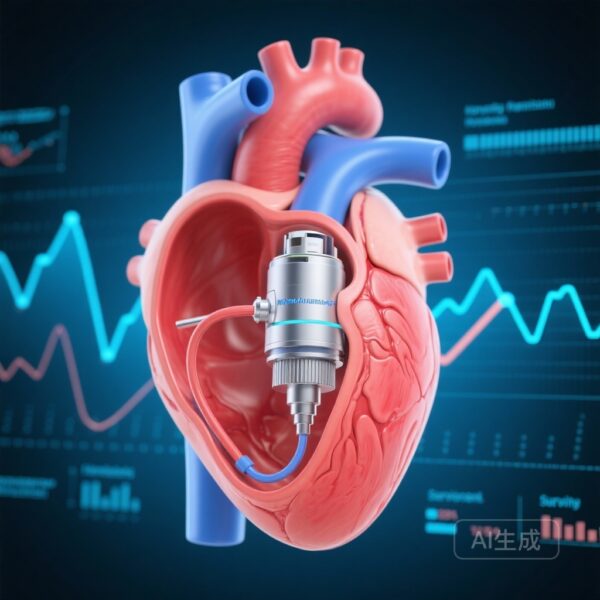
For decades, cardiogenic shock complicating acute myocardial infarction (CS-AMI) has remained one of the most challenging conditions in cardiovascular medicine, with mortality rates persistently hovering around 40% to 50%. Despite the theoretical benefits of mechanical circulatory support (MCS), early randomized trials failed to show a definitive survival advantage for devices like the intra-aortic balloon pump or even more robust platforms. This landscape changed dramatically with the publication of the Danish-German Cardiogenic Shock (DanGer Shock) trial, which demonstrated that the use of a microaxial flow pump (mAFP), specifically the Impella CP, significantly reduced 180-day mortality in patients with ST-elevation myocardial infarction-related cardiogenic shock (STEMI-CS).
Following the primary results, a series of prespecified substudies and secondary analyses have been released, providing a deeper look into the physiological, metabolic, and demographic nuances of mAFP therapy. These analyses offer clinicians a roadmap for understanding not just if the pump works, but how it alters the pathophysiology of the failing heart and whether its benefits are consistent across different patient populations.
The DanGer Shock Trial: A Foundation for Evidence-Based Unloading
The DanGer Shock trial was an international, multicenter, open-label randomized clinical trial that enrolled 355 patients with STEMI-CS. Unlike previous trials, DanGer Shock employed strict inclusion criteria, focusing on patients with clear evidence of shock (systolic blood pressure <100 mmHg or vasopressor requirement, LVEF 2.5 mmol/L) while excluding those with comatose cardiac arrest. This selective approach was designed to identify the population most likely to benefit from aggressive mechanical unloading. The trial randomized participants to receive either mAFP plus standard care or standard care alone. The primary finding—a significant reduction in all-cause mortality—set the stage for the detailed substudies discussed here.
Hemodynamic Transformation: Mechanical Work and Systemic Power
One of the most critical questions in MCS therapy is the extent to which a device successfully unloads the left ventricle while maintaining systemic perfusion. A substudy led by Møller et al. focused on the hemodynamic effects of mAFP using data from 223 patients monitored with pulmonary artery catheters (PAC). The findings provide a clear physiological rationale for the clinical benefits observed in the main trial.
Reducing Intrinsic Mechanical Work
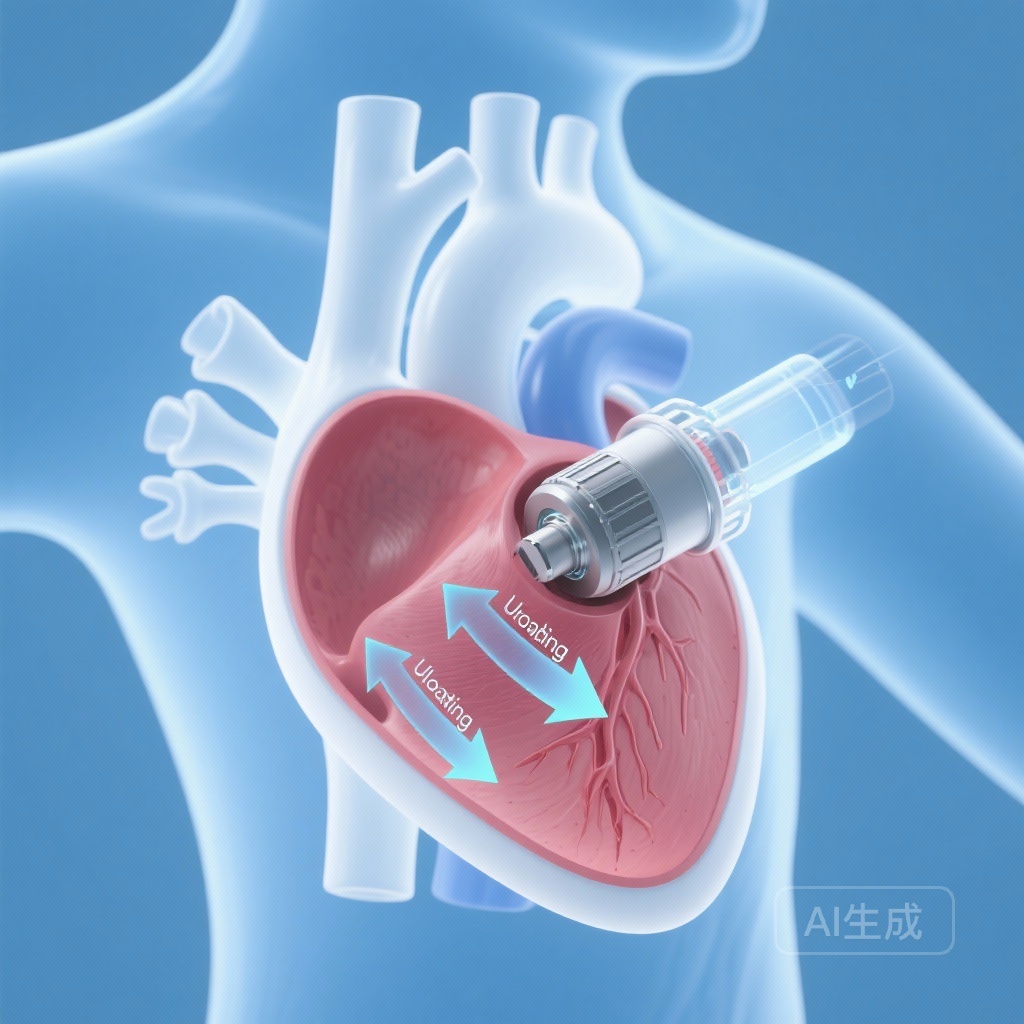
The study found that patients in the mAFP group experienced a significant reduction in pulmonary capillary wedge pressure (PCWP) and mean pulmonary artery pressure (PAP). Specifically, the first measured PCWP was lower in the mAFP group (18 mmHg) compared to the standard care group (22 mmHg; P < 0.001). This reduction persisted through the first 48 hours of treatment. By effectively draining the left ventricle, the mAFP reduces the preload and wall tension of the failing myocardium, thereby decreasing the heart's oxygen demand—a process known as 'unloading.'
Maintaining Systemic Power
Crucially, this reduction in internal cardiac work did not come at the expense of systemic circulation. While the heart’s native cardiac output (CO) decreased as the pump took over the workload, the total hydraulic power delivered to the body—measured as Cardiac Power Output (CPO)—was significantly higher in the mAFP group. The first measured CPO was 0.68 W in the mAFP group versus 0.56 W in the control group (P = 0.01). CPO is widely recognized as one of the strongest hemodynamic predictors of survival in cardiogenic shock. The ability of the mAFP to maintain a higher CPO while simultaneously lowering filling pressures suggests a more efficient circulatory state that protects both the heart and end-organs.
Metabolic Efficiency and Reduced Vasopressor Burden
Beyond hemodynamics, the metabolic state of a patient in shock is a vital indicator of recovery. A substudy by Udesen et al. investigated the metabolic and pharmacological impacts of mAFP therapy. In cardiogenic shock, inadequate tissue perfusion leads to anaerobic metabolism and the accumulation of arterial lactate, which is highly prognostic of poor outcomes.
Accelerated Lactate Clearance
The mAFP group demonstrated a significantly faster normalization of arterial lactate levels. Upon arrival at the Intensive Care Unit (ICU), the mAFP group already showed lower lactate levels compared to the standard care group (mean difference 1.3 mmol/L). Most impressively, the mAFP group achieved lactate normalization (defined as <2 mmol/L) 12 hours earlier than the control group (95% CI: 5-18 hours). This rapid metabolic recovery suggests that early initiation of mAFP therapy can more effectively halt the downward spiral of multi-organ failure associated with prolonged tissue hypoxia.
The Vasoactive-Inotropic Score (VIS)
Another significant finding was the reduction in the Vasoactive-Inotropic Score (VIS). High doses of vasopressors and inotropes are often necessary to maintain blood pressure in shock, but they carry side effects, including increased myocardial oxygen consumption, arrhythmias, and peripheral ischemia. The DanGer Shock data showed that the mAFP group maintained a target mean arterial pressure (MAP) above 65 mmHg with a significantly lower VIS. By providing mechanical support, the pump allows clinicians to ‘de-escalate’ pharmacological support, potentially sparing the heart from the toxic effects of high-dose catecholamines.
Bridging the Sex Gap: Why Age and Time Matter
While the overall trial results were positive, a secondary analysis by Mangner et al. raised important questions regarding sex-specific outcomes. Women represented approximately 21% of the trial population (74 patients). Initial observations suggested that women might derive less benefit from mAFP than men, with a 180-day mortality of 64.9% in women compared to 48.8% in men.
The Impact of Delayed Presentation and Age
However, a deeper dive into the baseline characteristics revealed significant disparities. Women in the trial were older and, perhaps most critically, had a time from symptom onset to randomization that was 2.2 times longer than that of men. This delay in treatment is a known factor in worse outcomes for women with acute myocardial infarction.
When the researchers adjusted for age, the perceived difference in treatment effect began to diminish. In patients aged 76 years or younger, the hazard ratio for mortality was nearly identical between women (HR 0.66) and men (HR 0.61). Long-term data (up to 10 years) further supported the benefit of mAFP in younger patients regardless of sex. The researchers concluded that the apparent lack of benefit in women was likely driven by their older age and delayed presentation rather than a biological difference in how they respond to mechanical unloading. This highlight the urgent need for earlier recognition and intervention in female patients presenting with STEMI-CS.
Clinical Implications and Expert Interpretation
The combined data from these substudies reinforce a ‘physiology-first’ approach to cardiogenic shock. The DanGer Shock trial confirms that the Impella CP does exactly what it was designed to do: it unloads the left ventricle (lowering PCWP), maintains systemic perfusion (increasing CPO), and reverses the metabolic consequences of shock (faster lactate clearance).
However, these benefits come with a trade-off. The primary trial noted an increase in complications, including severe bleeding, limb ischemia, and renal replacement therapy. Therefore, the selection of patients remains paramount. The substudies suggest that the ideal candidate is a patient with STEMI-related shock who is not yet in a refractory state (non-comatose) and who can be treated early in the disease course.
From a health policy and clinical practice perspective, the sex-specific data is a call to action. The 2.2-fold delay in treatment for women is a modifiable factor. Improving the ‘door-to-unload’ time for all patients, but especially for women who may present with atypical symptoms or face systemic delays, could further enhance the survival benefits of mAFP technology.
Conclusion
The DanGer Shock trial and its associated substudies provide the most robust evidence to date for the use of microaxial flow pumps in STEMI-related cardiogenic shock. By shifting the focus from simple blood pressure support to comprehensive mechanical unloading and metabolic restoration, these findings offer a new standard of care. While the sex-specific analysis underscores existing disparities in care delivery, it also confirms that when treated timely, both men and women stand to benefit from this life-saving technology. Future research should continue to refine patient selection and focus on minimizing device-related complications to maximize the net clinical benefit of mechanical circulatory support.
References
1. Mangner N, Beske RP, Hassager C, et al. Sex-Specific Microaxial Flow Pump Use and Outcomes in Infarct-Related Cardiogenic Shock in the DanGer Shock Trial. J Am Coll Cardiol. 2025;S0735-1097(25)07782-4.
2. Møller JE, Beske RP, Jensen LO, et al. Effect of Microaxial Flow Pump on Hemodynamics in STEMI-Related Cardiogenic Shock. J Am Coll Cardiol. 2025;85(25):2456-2468.
3. Udesen NLJ, Beske RP, Hassager C, et al. Microaxial Flow Pump Hemodynamic and Metabolic Effects in Infarct-Related Cardiogenic Shock: A Substudy of the DanGer Shock Randomized Clinical Trial. JAMA Cardiol. 2025;10(1):9-16.
4. Moller JE, et al. Microaxial Flow Pump or Standard Care in Infarct-Related Cardiogenic Shock. N Engl J Med. 2024;390(20):1839-1849.