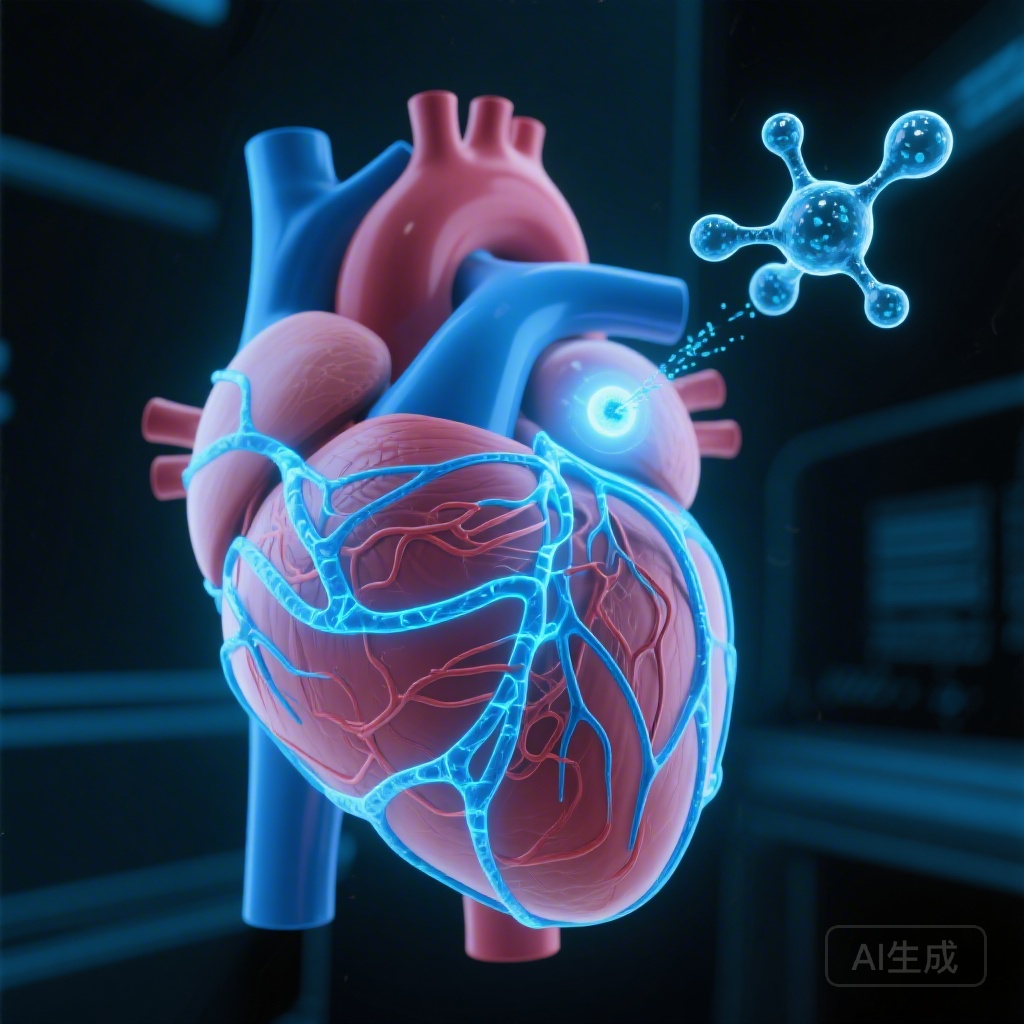
Highlights
- Simtuzumab, a monoclonal antibody targeting LOXL2, significantly attenuates myocardial fibrosis and prevents the decline of left ventricular function in LMNA-associated dilated cardiomyopathy models.
- LMNA mutations (p.His222Pro) lead to structural nuclear abnormalities and disrupted chromosome spatial organization, which triggers the upregulation of pro-fibrotic genes, specifically LOXL2.
- Human induced pluripotent stem cell-derived cardiomyocytes (hiPSC-CMs) with LMNA mutations exhibit diastolic calcium overload and reduced contractile force in 3D engineered heart tissues.
- Targeting the extracellular matrix (ECM) remodeling pathway via LOXL2 inhibition offers a disease-modifying strategy for patients with aggressive laminopathies.
Background: The Clinical Challenge of LMNA Mutations
Dilated cardiomyopathy (DCM) caused by mutations in the LMNA gene, which encodes A-type lamins, represents one of the most aggressive forms of inherited heart disease. Patients with LMNA-DCM face a disproportionately high risk of sudden cardiac death due to malignant arrhythmias and rapid progression to end-stage heart failure. Unlike idiopathic DCM, LMNA-associated disease is characterized by a dense, interstitial myocardial fibrosis that serves as both a substrate for re-entrant arrhythmias and a driver of mechanical stiffness.
Lamins are essential components of the nuclear lamina, providing structural scaffolding for the nucleus and regulating gene expression by maintaining chromatin organization. When these proteins are mutated, the nuclear envelope becomes fragile, leading to nuclear rupture, DNA damage, and dysregulated signaling pathways. Despite our understanding of the genetic basis, therapeutic options have remained limited to standard heart failure management and internal cardioverter-defibrillator (ICD) implantation. There is an urgent unmet medical need for therapies that target the underlying molecular pathogenesis of LMNA-DCM.
Study Design: Bridging Human iPSCs and Murine Models
In a comprehensive study published in Circulation: Heart Failure, researchers investigated the role of Lysyl Oxidase-Like 2 (LOXL2) in the progression of LMNA-DCM. The investigators utilized a dual-model approach to ensure translational relevance:
Human iPSC Model
The team generated human induced pluripotent stem cells (hiPSCs) from a patient carrying a specific LMNA point mutation (c.665A>C, p.His222Pro). These cells were differentiated into cardiomyocytes (hiPSC-CMs) and further developed into 3D engineered heart tissues (EHTs) to study contractility and mechanical properties in a physiologically relevant environment.
Murine Model
A knock-in mouse model carrying the same p.His222Pro mutation was used to evaluate the systemic effects of the disease and the efficacy of pharmacological intervention. This model mirrors the human phenotype, developing progressive DCM and significant myocardial fibrosis.
Intervention
The primary intervention was Simtuzumab, a monoclonal antibody designed to inhibit LOXL2. The researchers sought to determine if blocking this enzyme could halt the pathological remodeling of the extracellular matrix and preserve cardiac output.
Key Findings: From Nuclear Architecture to Contractile Failure
The study yielded several critical insights into how LMNA mutations translate from a nuclear defect to organ-level failure.
Calcium Dysregulation and Hypocontractility
One of the earliest functional abnormalities observed in LMNA-mutant hiPSC-CMs was disrupted calcium handling. The mutant cells exhibited significantly elevated diastolic calcium levels, suggesting a failure of calcium reuptake or leakage from the sarcoplasmic reticulum. Furthermore, when these cells were incorporated into 3D engineered heart tissues, they showed a reduced sensitivity to external calcium and a marked decrease in contractile force compared to wild-type controls. This hypocontractility is a hallmark of the clinical DCM phenotype.
Nuclear Shape and Chromatin Disorganization
Consistent with the known role of lamins, the mutant cardiomyocytes displayed severe nuclear shape abnormalities, including blebbing and elongation. Advanced imaging revealed that these structural defects were associated with disrupted chromosome spatial organization. This “architectural collapse” within the nucleus appeared to be the trigger for widespread transcriptomic changes, shifting the cell toward a pro-fibrotic state.
The Rise of LOXL2 as a Pathological Driver
Transcriptomic analysis across hiPSC-CMs, EHTs, and murine heart tissue identified a common denominator: the significant upregulation of LOXL2. LOXL2 is an enzyme that catalyzes the cross-linking of collagen and elastin fibers in the extracellular matrix. While essential for normal tissue development, its overactivity leads to excessive matrix stiffness and pathological fibrosis. The study found that the LMNA mutation specifically sensitized the cardiac transcriptome to overexpress LOXL2, creating a feedback loop of stiffening and dysfunction.
Simtuzumab Preserves Cardiac Function In Vivo
The most promising results came from the in vivo murine trials. Mice treated with Simtuzumab showed a dramatic reduction in myocardial fibrosis compared to untreated mutant mice. More importantly, echocardiographic assessments demonstrated that Simtuzumab-treated mice maintained significantly better left ventricular ejection fraction (LVEF) and fractional shortening. By preventing the LOXL2-mediated hardening of the heart tissue, the drug allowed the myocardium to maintain its elastic properties and contractile efficiency.
Expert Commentary: Mechanistic Insights and Clinical Implications
The identification of LOXL2 as a target in LMNA-DCM is a significant milestone. For years, research focused primarily on the mechanical fragility of the nuclear envelope. This study shifts the focus toward the downstream consequences of nuclear disruption—specifically, how the nucleus communicates with the extracellular environment. The fact that Simtuzumab, a drug previously investigated for other fibrotic conditions like NASH and myelofibrosis, showed efficacy in this cardiac model suggests a potential for drug repurposing.
However, clinicians must remain cautious. While Simtuzumab was well-tolerated in animal models, its previous clinical trials in other diseases have shown mixed results, often failing to reach primary endpoints in late-stage human trials. The success in LMNA-DCM may depend on the timing of administration; because LMNA-DCM is a progressive disease, early intervention before the onset of massive fibrosis may be required for optimal outcomes.
Biological plausibility is strong here: LOXL2 inhibition directly addresses the stiffening that characterizes laminopathies. Future studies should focus on whether LOXL2 levels in the blood could serve as a biomarker to identify which LMNA mutation carriers are at the highest risk for rapid fibrotic progression.
Conclusion: Paving the Way for Precision Therapy
The study by Kervella et al. provides a compelling argument for the role of LOXL2 in the pathogenesis of LMNA-induced dilated cardiomyopathy. By demonstrating that Simtuzumab can attenuate ECM remodeling and preserve cardiac function, the researchers have opened a new therapeutic window for a condition that was previously considered largely untreatable at the molecular level.
As we move toward an era of precision medicine, targeting specific pathways like the LOXL2-mediated ECM remodeling offers hope for stabilizing cardiac function and improving the quality of life for patients with LMNA mutations. The next step will be clinical validation to determine if these promising results in hiPSCs and mice can be replicated in human patients.
References
- Kervella M, Behrens CS, Peccate C, et al. Simtuzumab Attenuates Loxl2-Mediated Extracellular Matrix Remodeling and Preserves Cardiac Function in LMNA Mutation-Induced Dilated Cardiomyopathy. Circulation. Heart failure. 2026;e013806. PMID: 41841259.
- Muchir A, Worman HJ. The nuclear envelope and cardiovascular disease. Circulation Research. 2019;124(2):232-246.
- Taylor MR, Fain PR, Sinagra G, et al. Natural history of dilated cardiomyopathy due to lamin A/C gene mutations. Journal of the American College of Cardiology. 2003;41(5):771-780.
- Lehmann-Horn K, et al. LOXL2 in cardiac fibrosis and heart failure. European Heart Journal. 2022;43(Supplement_2).