Introduction to Thyroid Surgery and the Parathyroid Glands
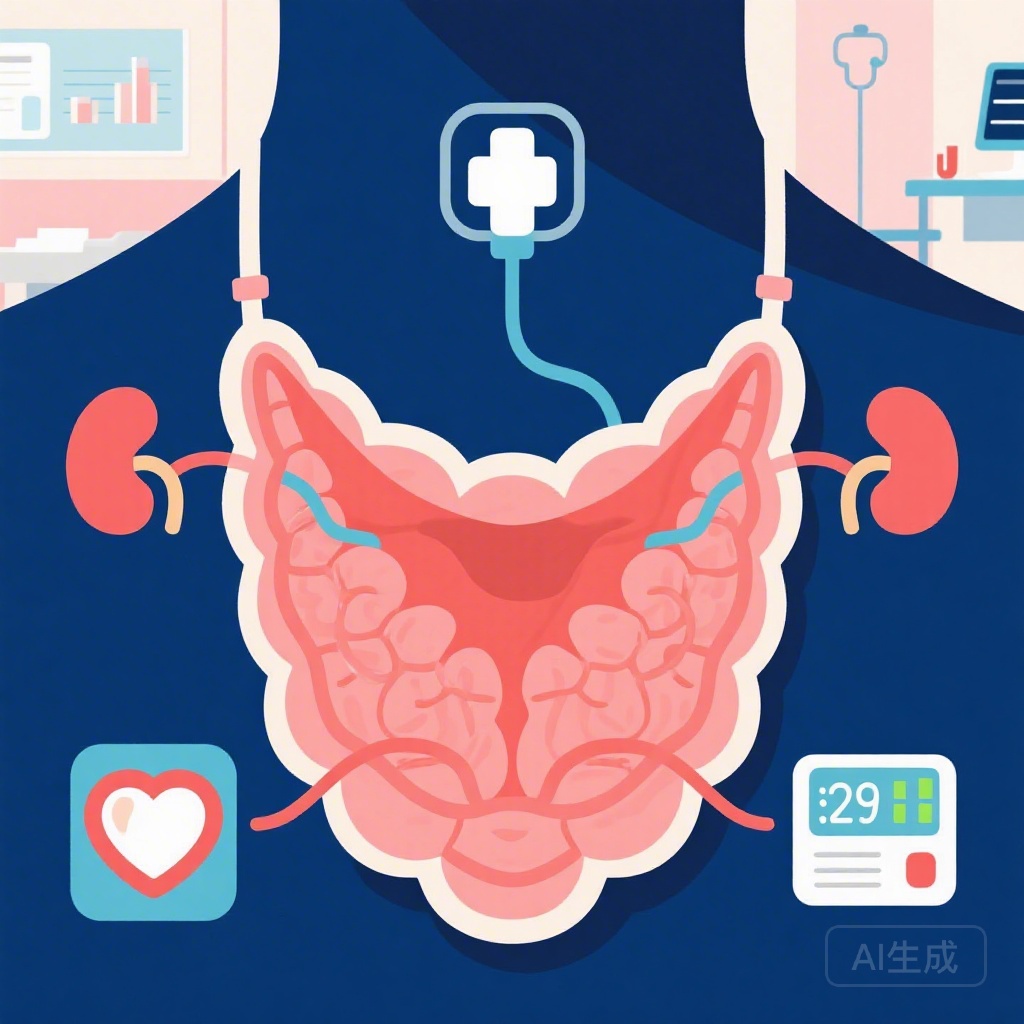
The thyroid gland, a butterfly-shaped organ located at the base of the neck, is central to metabolic regulation. However, its proximity to other vital structures makes surgery in this area complex. Tucked behind the thyroid are the parathyroid glands, typically four tiny, grain-of-rice-sized organs that are essential for maintaining calcium balance in the human body. For patients diagnosed with thyroid cancer, a thyroidectomy—the surgical removal of part or all of the thyroid—is the standard treatment. While the procedure is generally safe and highly effective, it carries a risk of damaging the parathyroid glands. When these glands are injured, devascularized, or inadvertently removed, the patient may develop postoperative hypoparathyroidism. This condition results in a deficiency of parathyroid hormone (PTH), leading to low blood calcium (hypocalcemia) and high blood phosphorus (hyperphosphatemia). While temporary hypoparathyroidism is common, a segment of patients experiences permanent or chronic hypoparathyroidism, requiring life-long management.
Understanding the Scope of the Nationwide Study
The long-term systemic impacts of chronic hypoparathyroidism (PO-hypoPT) in the context of thyroid cancer have remained somewhat elusive until recently. A landmark retrospective cohort study from South Korea has provided significant clarity on this issue. Utilizing the nationwide claims data from the Observational Medical Outcomes Partnership Common Data Model, researchers analyzed a massive pool of 217,156 thyroid cancer patients who underwent surgery between 2013 and 2020. To ensure accuracy, the study employed large-scale propensity score (PS) matching, comparing 15,592 patients with permanent PO-hypoPT against 27,906 matched controls who maintained normal parathyroid function. This methodology allowed researchers to isolate the effects of the hormone deficiency itself, rather than factors like age, sex, or initial cancer severity. The median follow-up duration was approximately five years, providing a robust window into the long-term health trajectories of these patients.
Increased Risk of Renal Complications
The most significant findings of the study revolved around kidney health. Patients suffering from permanent postoperative hypoparathyroidism demonstrated a 75 percent higher risk of developing renal insufficiency compared to those with preserved parathyroid function. Additionally, the risk of nephrolithiasis, or kidney stones, was 17 percent higher. The biological mechanism behind these risks is multifaceted. In a healthy individual, PTH helps the kidneys reabsorb calcium back into the bloodstream. In the absence of PTH, more calcium is excreted into the urine. Furthermore, the standard treatment for hypoparathyroidism—high doses of oral calcium and active vitamin D—tends to increase the concentration of calcium in the urine. Over time, this chronic hypercalciuria can lead to the formation of stones and gradual damage to the delicate filtration systems of the kidney, ultimately culminating in chronic kidney disease or renal insufficiency. This finding suggests that the current treatment paradigm, while necessary to prevent acute hypocalcemia symptoms like tingling and muscle spasms, may inadvertently damage the renal system over the long term.
Cardiovascular Health and MACE Risk
Beyond the kidneys, the study highlighted a concerning link between PO-hypoPT and cardiovascular health. Patients with the condition faced a 10 percent increased risk of Major Adverse Cardiac Events (MACE), which includes heart attacks, strokes, and heart failure. The regulation of calcium and phosphorus is vital for the proper function of the heart muscle and the integrity of the vascular system. Chronic imbalances, particularly elevated phosphorus levels, are known to contribute to vascular calcification, where the walls of the arteries become stiff and hardened. This arterial stiffness can increase the workload on the heart and lead to hypertension and other cardiovascular complications. While a 10 percent increase might seem modest compared to the renal risks, on a population level, it represents a significant burden of disease for thyroid cancer survivors who would otherwise expect a near-normal life expectancy.
Surprising Findings on Neurological and Psychological Outcomes
Historically, hypoparathyroidism has been associated with neurological issues like seizures and psychiatric conditions like depression, as well as the development of cataracts in the eyes. Interestingly, this nationwide study did not find a statistically significant difference between the PO-hypoPT group and the control group regarding these specific morbidities. This discrepancy with some earlier research may be due to improvements in modern management techniques and closer monitoring of calcium levels in the immediate postoperative period. It also suggests that while the kidneys and heart are particularly vulnerable to the hormonal and mineral imbalances of hypoparathyroidism, the brain and the eyes may be more resilient, or perhaps the threshold for damage is higher than previously thought. However, clinicians are still advised to remain vigilant, as individual patient experiences can vary.
Managing Chronic Hypoparathyroidism Long-Term
The study’s conclusions emphasize a shift in how we view the management of thyroid cancer survivors. Surgery is not the end of the journey; for those who develop PO-hypoPT, it is the beginning of a complex metabolic management process. To mitigate the risks of renal and cardiovascular complications, a more nuanced approach to treatment may be required. This includes regular monitoring of 24-hour urinary calcium levels to prevent hypercalciuria and frequent blood tests to ensure that the calcium-phosphate product remains within a safe range. In some cases, the use of recombinant human parathyroid hormone (rhPTH) therapy might be considered, as it more closely mimics natural physiology and may reduce the need for high-dose calcium and vitamin D, though its long-term cost-effectiveness and availability remain points of discussion. Furthermore, cardiovascular screening—such as monitoring blood pressure and lipid profiles—should become a standard part of the follow-up for these patients.
Conclusion and Clinical Takeaways
The South Korean nationwide cohort study serves as a critical reminder that thyroidectomy is not without potential long-term systemic consequences. For patients with thyroid cancer, permanent postoperative hypoparathyroidism is a serious condition that extends far beyond simple mineral replacement. The increased risk of renal insufficiency and cardiovascular events necessitates a multidisciplinary approach to care involving surgeons, endocrinologists, nephrologists, and primary care physicians. Patients should be educated on the importance of long-term monitoring and the symptoms of kidney and heart issues. By identifying these risks early and optimizing therapy to protect the kidneys and heart, healthcare providers can improve the quality of life and long-term survival for thyroid cancer patients worldwide.