Highlights
- In non-anaemic iron-deficient pregnant women, a single 1000 mg dose of intravenous (IV) iron significantly improved maternal hemoglobin levels before delivery compared to standard oral iron prophylaxis.
- The mean hemoglobin concentration at delivery was 11.6 g/dL in the IV iron group versus 10.8 g/dL in the oral prophylaxis group (p < 0.0001).
- No serious or life-threatening adverse events were reported in either group, supporting the safety of IV iron in this population.
- The study advocates for routine ferritin screening in early pregnancy to identify and treat iron deficiency before clinical anemia develops.
Background: The Challenge of Iron Deficiency Without Anemia
Iron deficiency is the most common nutritional disorder worldwide, and its prevalence is particularly high among pregnant women due to the increased physiological demands of the growing fetus and placenta. Traditionally, clinical focus has been placed on treating iron deficiency anemia (IDA). However, a significant proportion of women experience non-anaemic iron deficiency (NAID)—characterized by low iron stores (ferritin <30 μg/L) despite maintaining hemoglobin levels within the normal range (11–13 g/dL).
NAID in pregnancy is often a precursor to overt anemia in the third trimester and has been linked to maternal fatigue, cognitive dysfunction, and potentially adverse neonatal outcomes. Current World Health Organization (WHO) and regional guidelines typically recommend daily oral iron prophylaxis. Yet, oral iron is often limited by poor absorption, gastrointestinal side effects, and low patient adherence. Whether early intervention with intravenous iron provides superior outcomes compared to standard oral prophylaxis remains a critical question for evidence-based obstetric care.
Study Design: The FAIR Multicentre Trial
To address this gap, the Ferritin screening and iron treatment for maternal anaemia and fetal growth restriction prevention (FAIR) Study Group conducted a multicentre, two-arm, randomised controlled trial at three teaching hospitals in Lahore, Pakistan.
Population and Randomization
Between January 2020 and August 2023, 1,206 pregnant women were screened. Eligible participants were aged 18 years or older with a singleton pregnancy, screened at their first antenatal visit, and identified with NAID (hemoglobin 11–13 g/dL and ferritin <30 μg/L). A total of 600 women were enrolled and randomly assigned (1:1) to one of two groups:
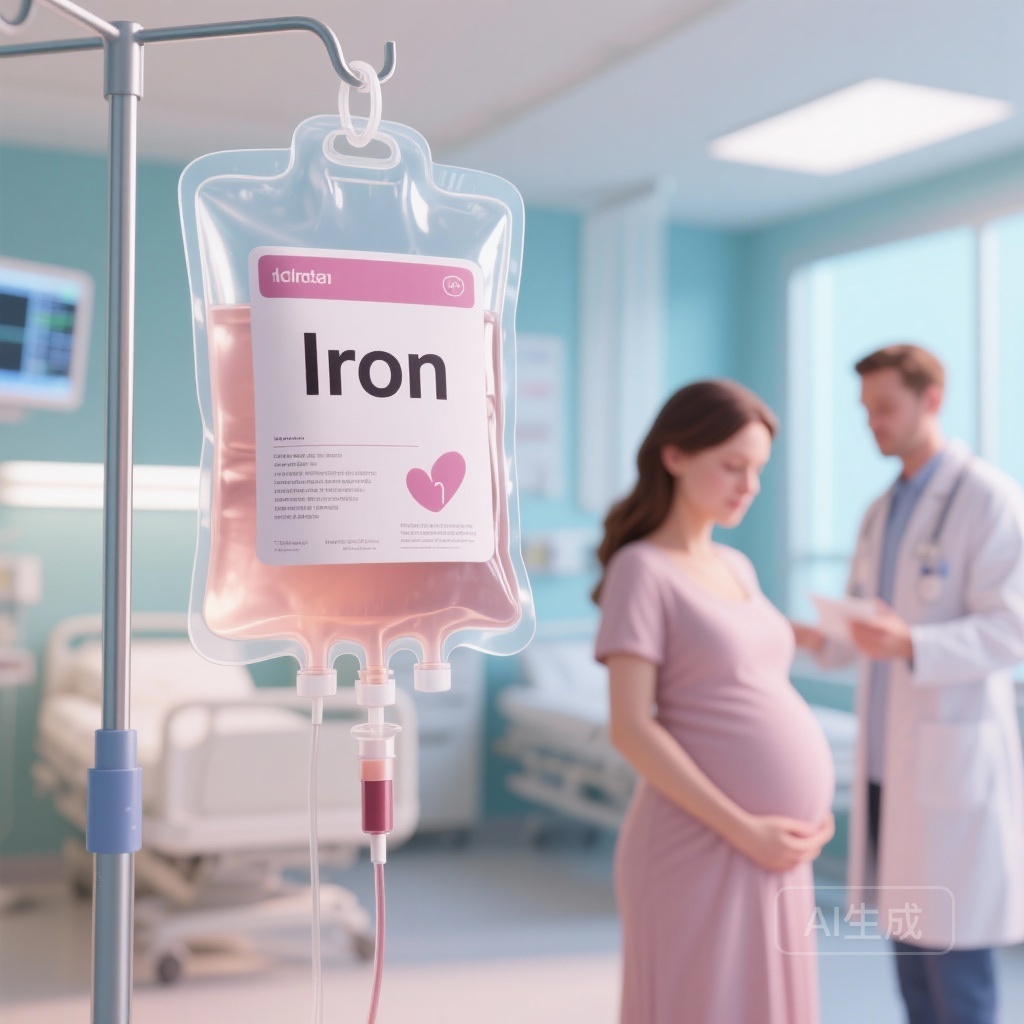
1. Intervention Group: 1000 mg of intravenous iron administered during the second trimester in addition to routine oral iron prophylaxis.
2. Control Group: Standard care consisting of 30 mg oral iron prophylaxis daily throughout pregnancy.
Endpoints and Methodology
The primary outcome was the mean change in maternal hemoglobin concentration from baseline to 36 weeks’ gestation. Secondary outcomes included safety assessments, particularly serious adverse events such as anaphylactic shock or cardiac arrest. The trial utilized an intention-to-treat (ITT) analysis, with outcome assessors masked to group allocation.
Key Findings: Superiority of Parenteral Intervention
Of the 600 women enrolled, 295 were assigned to the IV iron group and 305 to the oral iron group. Follow-up data until delivery were available for 228 women in the IV group and 234 in the oral group.
Hemoglobin Trends
At delivery, the maternal hemoglobin concentration was significantly higher in the intravenous iron group compared to the oral prophylaxis group:
– Intravenous Iron Group: 11.6 g/dL (SD 0.5)
– Oral Prophylaxis Group: 10.8 g/dL (SD 0.7)
– Mean Difference: 0.74 g/dL (95% CI 0.64–0.85; p < 0.0001)
These results indicate that while oral prophylaxis may struggle to maintain hemoglobin levels as pregnancy progresses, the addition of a bolus IV iron dose effectively bolsters iron stores and supports higher hemoglobin levels in the third trimester.
Safety and Tolerability
Safety is a paramount concern with parenteral iron. In this trial, none of the participants experienced serious or life-threatening adverse events (e.g., death, cardiac arrest, myocardial infarction, or anaphylaxis). This adds to the growing body of evidence that modern intravenous iron formulations are well-tolerated when administered in a controlled clinical setting.
Expert Commentary: Mechanistic Insights and Clinical Implications
The FAIR trial provides robust evidence that the current ‘one-size-fits-all’ approach of low-dose oral iron prophylaxis may be insufficient for women who enter pregnancy with depleted iron stores.
The Hepcidin Barrier
One biological explanation for the superiority of IV iron is the role of hepcidin, the master regulator of iron homeostasis. During pregnancy, although hepcidin levels naturally drop to facilitate iron absorption, chronic inflammation or frequent oral dosing can trigger hepcidin spikes that block intestinal iron transport. Intravenous iron bypasses the gut and the ferroportin-hepcidin regulatory axis, allowing for rapid replenishment of macrophage and hepatic iron stores.
The Case for Ferritin Screening
Perhaps the most significant clinical takeaway is the validation of ferritin screening in early pregnancy. Most current guidelines only recommend hemoglobin screening; however, hemoglobin is a lagging indicator of iron status. By the time hemoglobin falls below 11 g/dL, iron stores are already exhausted. This trial demonstrates that identifying NAID via ferritin and intervening early with IV iron can prevent the decline into clinical anemia.
Study Limitations
While the findings are compelling, the study was conducted in a region (Lahore, Pakistan) where the baseline burden of nutritional deficiency might be higher than in high-income countries. Furthermore, while hemoglobin levels were improved, the study’s primary focus was not on long-term infant neurodevelopment or maternal quality-of-life scores, which are critical areas for future research.
Conclusion
The FAIR trial demonstrates that among non-anaemic iron-deficient pregnant women, intravenous iron therapy is significantly more effective than standard oral prophylaxis at increasing hemoglobin levels before delivery. These findings suggest that the integration of routine ferritin screening into early antenatal care, followed by targeted intravenous iron therapy for those with deficiency, could represent a superior strategy for optimizing maternal hematological health.
Funding and Clinical Registration
This study was completed without external funding. The trial is registered at ClinicalTrials.gov, number NCT04228627.
References
Wasim T, Bushra N, Nasrin T, et al. Intravenous iron for non-anaemic iron deficiency in pregnancy: a multicentre, two-arm, randomised controlled trial. Lancet Haematol. 2026 Jan;13(1):e22-e29. doi: 10.1016/S2352-3026(25)00315-1. PMID: 41482443.