Highlights
Immune Specificity Achieved
Cergutuzumab amunaleukin (CA) successfully induced the proliferation of effector T cells and natural killer (NK) cells without the undesirable expansion of regulatory T cells (Tregs), validating its design as a CD25-independent IL-2 variant.
Manageable Safety Profile
The combination of CA and atezolizumab showed a safety profile consistent with the known toxicities of the individual agents, with no maximum tolerated dose (MTD) reached during the escalation phase.
The Efficacy Paradox
Despite clear pharmacodynamic evidence of systemic immune activation—including increases in cytokines and circulating lymphocytes—the overall response rate (ORR) remained modest at 13.5% in the expansion cohort, highlighting the challenges of treating immunologically cold tumors.
Background: The Evolution of IL-2 Therapy
For decades, interleukin-2 (IL-2) has been recognized as a potent driver of T-cell and NK-cell proliferation, leading to its early approval for metastatic melanoma and renal cell carcinoma. However, traditional high-dose IL-2 therapy is marred by severe systemic toxicities, most notably capillary leak syndrome, and the paradoxical stimulation of regulatory T cells (Tregs) via the high-affinity IL-2 receptor (CD25). Tregs often suppress the very anti-tumor response clinicians aim to ignite.
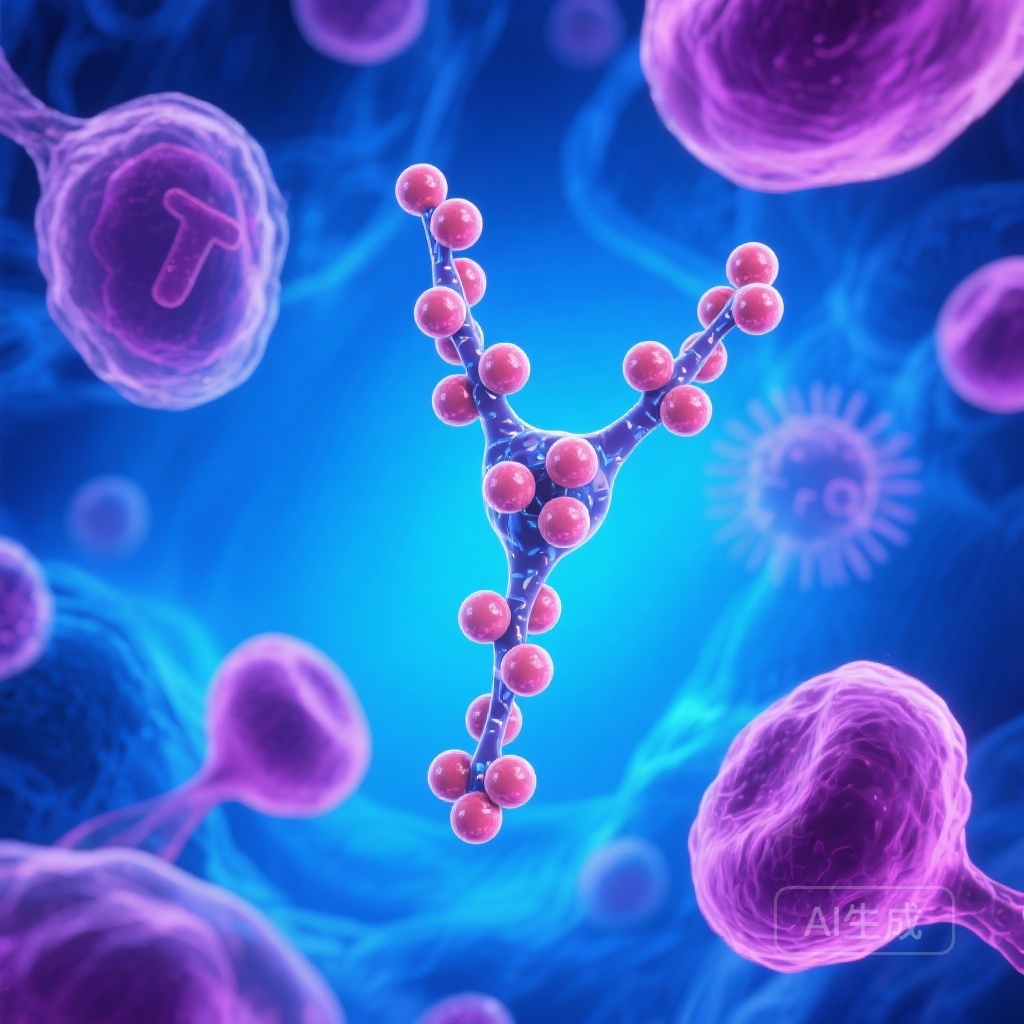
Cergutuzumab amunaleukin (CA) represents a sophisticated engineering solution to these hurdles. It is an immunocytokine comprising a variant IL-2 (IL-2v) fused to a humanized IgG1 antibody targeting carcinoembryonic antigen (CEA). The IL-2v component is specifically mutated to abolish CD25 binding, thereby favoring the activation of CD8+ T cells and NK cells over Tregs. By targeting CEA, a protein highly expressed in colorectal, lung, and pancreatic cancers, CA aims to concentrate this immune-stimulating payload within the tumor microenvironment. This Phase Ib study investigated whether the addition of atezolizumab, a PD-L1 inhibitor, could synergize with CA to overcome immune checkpoint-mediated resistance.
Study Design and Methodology
This phase Ib, open-label, multicenter study (NCT02350673) was structured into dose-escalation and expansion phases. The study enrolled patients with advanced or metastatic CEA-positive solid tumors who had progressed on standard therapies.
Treatment Regimens
Patients were assigned to one of two primary schedules:
1. CA (6–25 mg) administered every 2 weeks (Q2W) with a fixed dose of atezolizumab (840 mg Q2W).
2. CA (10–20 mg) administered weekly (QW) with a fixed dose of atezolizumab (1200 mg Q3W).
Additionally, a small subgroup (n = 5) received obinutuzumab (a CD20-targeting antibody) as a pre-treatment to investigate its potential to deplete B cells and reduce the formation of anti-drug antibodies (ADAs), which can limit the efficacy of immunocytokines.
Endpoints
The primary objectives were to determine the maximum tolerated dose (MTD), establish the recommended dose for expansion (RDE), and evaluate overall safety. Secondary endpoints included pharmacokinetics (PK), pharmacodynamics (PD), and preliminary anti-tumor activity as measured by RECIST v1.1.
Key Findings: Safety and Pharmacodynamics
Safety and Tolerability
The combination therapy was generally well-tolerated. The MTD was not reached, even at the highest explored doses. The RDE was established at 15 mg QW or 20 mg Q2W of CA in combination with atezolizumab. The adverse event (AE) profile was largely consistent with previous observations of CA monotherapy. Common toxicities included pyrexia, infusion-related reactions, and fatigue. Importantly, the addition of PD-L1 blockade did not appear to result in synergistic or unexpected immune-related toxicities beyond what is typically seen with atezolizumab.
Pharmacokinetic and Pharmacodynamic Insights
Pharmacokinetic analysis revealed that atezolizumab did not interfere with the disposition of CA. Pharmacodynamically, the results were highly encouraging from a mechanistic standpoint. There was a dose-dependent increase in circulating CD8+ T cells and NK cells. Crucially, the absence of CD25 binding was confirmed in vivo, as no significant expansion of CD25+ FoxP3+ Tregs was observed in the peripheral blood. Increases in secondary markers such as C-reactive protein (CRP) and soluble CD25 (sCD25) further indicated robust, systemic immune activation.
Clinical Results: The Efficacy Gap
While the drug performed as expected on a molecular level, the clinical translation was more reserved. In the expansion cohort (QW/Q3W regimen), the overall response rate (ORR) was 13.5%. While some patients experienced durable stable disease or partial responses, the majority did not achieve significant tumor shrinkage. This discrepancy between potent systemic immune stimulation and limited local anti-tumor effect suggests that the tumor microenvironment (TME) of CEA-positive cancers—often characterized as “immune-excluded” or “cold”—remains a formidable barrier.
Expert Commentary
The results of this trial underscore a critical theme in modern immuno-oncology: peripheral immune activation is a necessary but insufficient condition for clinical success in solid tumors. The design of cergutuzumab amunaleukin is a triumph of protein engineering, effectively bypassing the Treg-mediated immunosuppression that plagued early IL-2 therapies. However, the study highlights that even when we “step on the gas” of the immune system using IL-2v and “release the brakes” with PD-L1 inhibitors, the T cells still face significant obstacles in infiltrating and surviving within the dense stroma of CEA-expressing tumors like colorectal cancer.
Future strategies may need to focus on modulating the physical barriers of the TME or combining these agents with therapies that promote T-cell trafficking, such as anti-angiogenic agents or targeted radiation. Furthermore, the development of anti-drug antibodies remains a concern for large fusion proteins like CA, and the exploration of B-cell depletion (via obinutuzumab) in this study represents an important attempt to address the immunogenicity of biological therapies.
Conclusion
The Phase Ib study of cergutuzumab amunaleukin and atezolizumab successfully demonstrated a manageable safety profile and established recommended dosing for future investigations. While the combination effectively mobilized the cellular machinery of the immune system without activating suppressive Tregs, its anti-tumor activity was limited in this heavily pre-treated population. These findings provide a valuable baseline for the next generation of cytokine-based immunotherapies and emphasize the need for a deeper understanding of tumor-specific resistance mechanisms.
Funding and Clinical Registration
This study was funded by F. Hoffmann-La Roche Ltd. ClinicalTrials.gov Identifier: NCT02350673.
References
1. Melero I, Tabernero J, Steeghs N, et al. Cergutuzumab Amunaleukin in Combination with Atezolizumab in Patients with Carcinoembryonic Antigen-Positive Advanced/Metastatic Solid Tumors. Clin Cancer Res. 2025 Nov 18. doi: 10.1158/1078-0432.CCR-25-2440.
2. Klein C, Waldhauer I, Nicolini VG, et al. Cergutuzumab amunaleukin (CEA-IL2v), a CEA-targeted immunocytokine with deimmunized IL-2 variant, for inflammation, autoimmunity, and cancer therapy. Oncoimmunology. 2017.
3. Socinski MA, Jotte RM, Cappuzzo F, et al. Atezolizumab for First-Line Treatment of Metastatic Nonsquamous NSCLC. N Engl J Med. 2018.