Introduction to Atrial Fibrillation and Traditional Ablation
Atrial fibrillation (AF) is the most common sustained cardiac arrhythmia worldwide, associated with significant morbidity, including stroke, heart failure, and reduced quality of life. For patients with symptomatic paroxysmal atrial fibrillation (PAF) who do not respond to antiarrhythmic drugs, catheter ablation has become the standard of care. Historically, this has involved thermal energy sources—specifically radiofrequency (RF) ablation, which uses heat, and cryoballoon ablation, which uses extreme cold. While effective, thermal energies carry inherent risks because they are not tissue-specific. They can inadvertently damage surrounding structures such as the esophagus, causing life-threatening fistulas, or the phrenic nerve, leading to diaphragm paralysis.
The Emergence of Pulsed Field Ablation
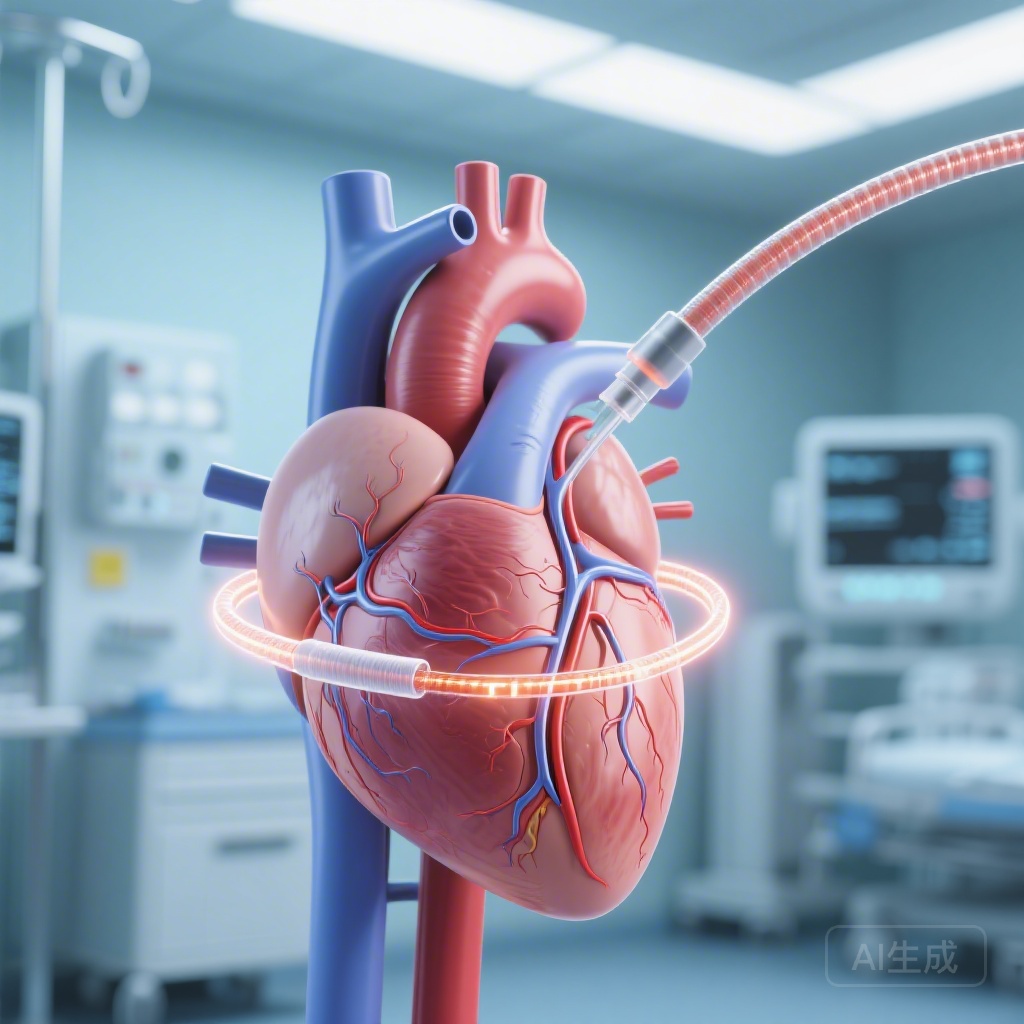
Pulsed field ablation (PFA) represents a paradigm shift in electrophysiology. Unlike thermal methods, PFA utilizes irreversible electroporation (IRE). This non-thermal mechanism uses high-voltage, short-duration electrical pulses to create microscopic pores in cell membranes, leading to cell death. The primary advantage of PFA is its tissue selectivity; myocardial cells have a lower threshold for electroporation than neighboring tissues like the esophagus or nerves. However, conventional microsecond PFA often causes significant skeletal muscle contraction and pain during the delivery of energy, which typically necessitates the use of general anesthesia and neuromuscular blocking agents.
The Innovation of Nanosecond Pulsed Field Ablation (nsPFA)
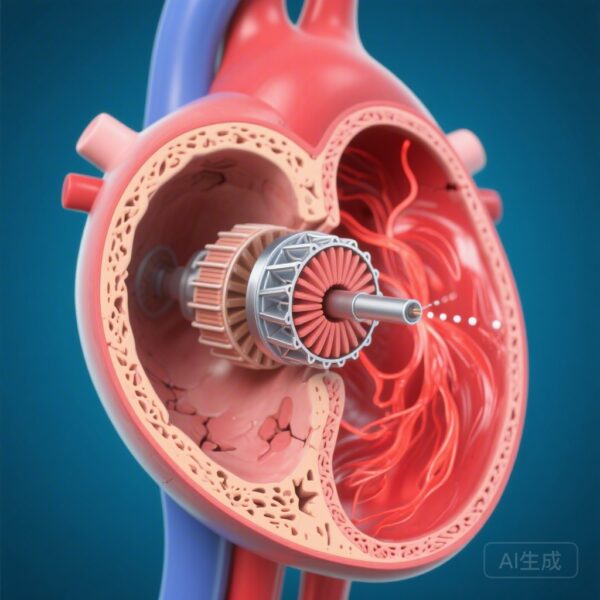
The SCENA-AF trial evaluated a novel variation known as high-repetition-frequency nanosecond pulsed field ablation (nsPFA). By shortening the pulse duration from microseconds to nanoseconds and increasing the repetition frequency, this technology aims to achieve effective lesion creation while further minimizing neuromuscular stimulation. When the electrical pulse is shorter than the chronaxie of skeletal muscle and nerve fibers, the likelihood of triggering a contraction is significantly reduced. This clinical breakthrough potentially allows the procedure to be performed under local anesthesia with conscious sedation, improving patient throughput and reducing the risks associated with general anesthesia.
The SCENA-AF Trial Design and Methodology
The SCENA-AF study (Safety-and-effectiveness Clinical Evaluation of Nanosecond-pulse Ablation for Atrial Fibrillation) was a prospective, multicenter, single-arm trial conducted across 11 major cardiac centers in China. The trial enrolled 166 symptomatic, drug-refractory PAF patients between the ages of 18 and 80. The primary objective was to evaluate the 12-month safety and efficacy of the commercial nsPFA system. The efficacy endpoint was defined as freedom from documented AF, atrial flutter, or atrial tachycardia lasting 30 seconds or longer between 91 and 365 days after the procedure, in the absence of Class I or III antiarrhythmic drugs. The safety endpoint focused on the absence of major complications, including death, stroke, or transient ischemic attacks (TIA).
Key Efficacy Findings at 12 Months
The trial reported a 100% success rate for acute pulmonary vein isolation (PVI), meaning all targeted veins were successfully disconnected from the heart’s electrical circuit during the initial procedure. Following the 12-month follow-up period, 88.49 percent of the patients met the primary efficacy endpoint. This success rate is highly competitive with, and in some cases exceeds, the results typically seen with traditional RF or cryoballoon ablation. The high repetition frequency of the nanosecond pulses ensured that the lesions were transmural and permanent, preventing the electrical reconnection of the pulmonary veins, which is the primary cause of AF recurrence.
Unprecedented Safety and Patient Experience
Safety is a hallmark of the nsPFA technology. The SCENA-AF trial recorded no instances of device-related deaths, strokes, or transient ischemic attacks. Furthermore, there were no reported cases of esophageal injury or permanent phrenic nerve palsy. Only 2.41 percent of patients experienced serious adverse events, which were limited to minor vascular access-site issues like hematomas or pseudoaneurysms that resolved with standard care. Perhaps the most significant finding was that 92.77 percent of the procedures were successfully performed under local anesthesia and conscious sedation. This is a stark contrast to microsecond PFA, which almost universally requires general anesthesia to manage patient movement and pain during energy delivery.
Absence of Clinical Hemolysis
One concern with high-voltage ablation technologies is the potential for hemolysis—the rupture of red blood cells—which can lead to kidney injury. However, the SCENA-AF study observed no clinical signs or symptoms of hemolysis. The precise delivery of nanosecond pulses appears to mitigate the excessive thermal effects and mechanical stresses on blood cells that can occur with high-energy microsecond pulses, further cementing the safety profile of this high-repetition-frequency approach.
Clinical Implications and Future Outlook
The results of the SCENA-AF trial suggest that high-repetition-frequency nsPFA is not only a viable alternative to thermal ablation and microsecond PFA but may offer a superior workflow. The ability to perform pulmonary vein isolation under local anesthesia reduces the burden on hospital resources, avoids the complications of general anesthesia, and significantly improves the patient experience. As this technology becomes more widely available, it is expected to become a first-line treatment for paroxysmal atrial fibrillation. Future studies may explore the application of nsPFA in more complex cases, such as persistent atrial fibrillation or redo procedures, to determine if these favorable outcomes translate across all forms of cardiac arrhythmia.