Introduction: The Growing Need for Multi-Modal Sleep Interventions
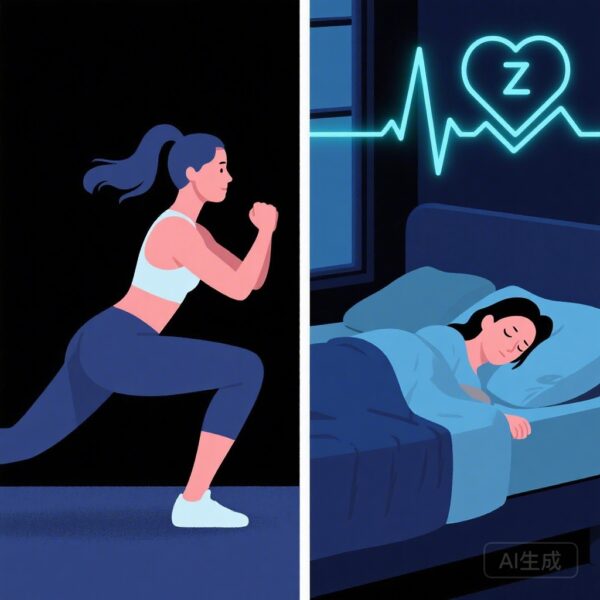
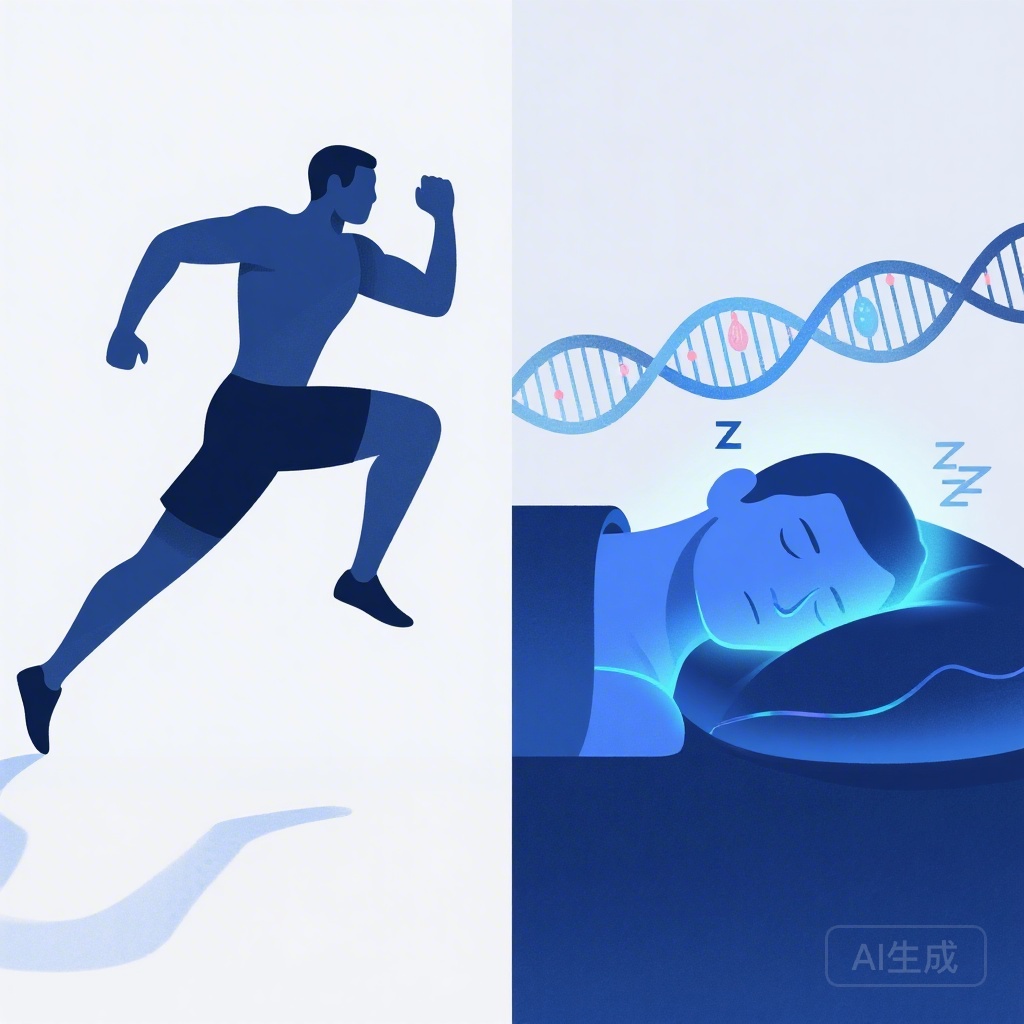
The intersection of sedentary lifestyles and poor sleep health has become a defining public health challenge of the 21st century. While the therapeutic benefits of physical activity and behavioral sleep interventions are well-documented individually, clinical practice often treats them as separate silos. However, emerging evidence suggests that the relationship between exercise and sleep is not merely additive but potentially synergistic. In a landmark randomized clinical trial published in JAMA Network Open, researchers investigated whether a combined approach—integrating High-Intensity Circuit Training (HICT) and Sleep Health (SH) interventions—could provide superior outcomes for sleep quality and cardiometabolic health compared to either intervention alone.
The Clinical Rationale for Combined Therapy
Poor sleep is more than a nocturnal inconvenience; it is a systemic stressor linked to obesity, insulin resistance, and cardiovascular disease. Sedentary young adults, particularly women, represent a high-risk demographic for developing chronic sleep disorders that persist into later life. Conventional treatments like Cognitive Behavioral Therapy for Insomnia (CBT-I) or aerobic exercise programs often yield moderate results, yet many patients remain below the threshold for optimal health. The hypothesis driving this study was that by simultaneously addressing physical exertion through HICT and behavioral patterns through SH, clinicians could unlock greater physiological and psychological improvements.
Study Design and Methodology
This single-blind, parallel, 4-arm randomized clinical trial was conducted between July and September 2024, involving 112 sedentary Chinese women aged 18 to 30 years. All participants entered the study with a total Pittsburgh Sleep Quality Index (PSQI) score greater than 5, indicating poor sleep health.
Intervention Arms
Participants were randomized into four distinct groups:
1. Combined HICT-SH Group
This group received both the physical and behavioral interventions. The HICT component consisted of three laboratory-based sessions per week, utilizing high-intensity bodyweight movements. The SH component involved individualized sleep counseling and digital education based on CBT-I principles.
2. HICT-Alone Group
Participants performed only the high-intensity circuit training sessions three times per week without any structured sleep health education.
3. SH-Alone Group
This group received individualized sleep counseling and access to a smartphone-based app for sleep hygiene and cognitive behavioral strategies but did not engage in the structured exercise program.
4. Control Group
The control group maintained their original lifestyle habits for the duration of the 8-week study.
Primary and Secondary Endpoints
The primary outcomes were divided into subjective and objective measures. Subjective sleep quality was assessed using the PSQI, while objective sleep outcomes—such as sleep efficiency (SE), wake after sleep onset (WASO), and sleep duration—were measured using actigraphy. Secondary outcomes included critical cardiometabolic markers, including total cholesterol, high-density lipoprotein (HDL), and adiponectin levels.
Key Findings: The Power of Synergy
The results of the 8-week trial provided robust evidence for the superiority of the combined intervention. In total, 112 women (mean age 23.5 years) completed the protocol, and the data revealed significant improvements across multiple domains.
Objective Sleep Improvements
The combined HICT-SH group demonstrated the most substantial gains in objective sleep metrics. When compared to the groups receiving only one form of intervention, the HICT-SH group showed:
Superior Sleep Efficiency
The HICT-SH group had a significant increase in sleep efficiency compared to the SH-only group (difference: 2.75 percentage points; 95% CI, 0.65-4.85; P = .004).
Reduced Wake After Sleep Onset (WASO)
One of the most clinically relevant findings was the reduction in WASO. The combined group spent significantly less time awake after initially falling asleep compared to the HICT-only group (difference: -14.51 minutes; P = .002) and the SH-only group (difference: -16.26 minutes; P < .001).
Lower Activity Counts
Objective actigraphy showed that the HICT-SH group had significantly fewer activity counts during sleep, indicating a more restful and less fragmented sleep state compared to the SH-only group.
Subjective Sleep and Cardiometabolic Health
Beyond the actigraphy data, all three intervention groups showed improvements in PSQI scores compared to the control group. However, the HICT-SH group again led the way in cardiometabolic improvements. Participants in the combined group showed enhanced levels of adiponectin—a protein hormone involved in regulating glucose levels and fatty acid breakdown—and improved lipid profiles. These findings suggest that the combined intervention may reduce the long-term risk of metabolic syndrome more effectively than exercise or sleep hygiene alone.
Expert Commentary: Mechanistic Insights and Clinical Implications
The synergistic effect observed in this trial can be explained through several physiological and psychological mechanisms. From a physiological perspective, HICT promotes thermoregulation; the post-exercise drop in core body temperature is a known trigger for sleep onset. Furthermore, high-intensity exercise increases the secretion of brain-derived neurotrophic factor (BDNF) and modulates the hypothalamic-pituitary-adrenal (HPA) axis, which can reduce the hyperarousal often seen in poor sleepers.
The Role of Adiponectin
The improvement in adiponectin is particularly noteworthy. Adiponectin has anti-inflammatory and insulin-sensitizing effects. By improving sleep quality—which reduces systemic inflammation—and adding the metabolic demand of HICT, the intervention creates a favorable environment for metabolic health that a single-pronged approach cannot match.
Addressing the Sedentary Population
For clinicians, this study highlights the importance of ‘prescribing’ sleep health alongside exercise. In sedentary populations, the barrier to sleep is often a lack of physical fatigue combined with high mental arousal. HICT provides an efficient way to induce physical fatigue in a short duration, while the SH intervention provides the cognitive tools to manage sleep-related anxiety and poor habits.
Limitations and Future Research
While the study is rigorous, certain limitations must be considered. The participant pool was limited to young Chinese women, which may affect the generalizability of the results to older populations or men. Additionally, the 8-week duration, while sufficient to see changes, does not provide data on the long-term sustainability of these lifestyle changes. Future research should investigate whether these synergistic effects persist over six months or a year and whether they are equally effective in patients with clinically diagnosed insomnia or obstructive sleep apnea.
Conclusion: A New Standard for Sleep Health
The findings from this randomized clinical trial suggest that the integration of High-Intensity Circuit Training and Sleep Health interventions should be considered a preferred strategy for improving sleep and cardiometabolic health in sedentary young adults. By addressing the body and the mind simultaneously, the HICT-SH approach offers a more comprehensive solution to the multifaceted problem of poor sleep. Clinicians and public health experts should look toward multi-modal lifestyle interventions as a primary prevention tool for sleep disorders and metabolic disease.
Funding and Trial Registration
This study was supported by the Chinese Clinical Trial Registry (ChiCTR2400086853). The researchers report no competing financial interests.
References
Zhang B, Zheng C, Liao Q, Zhang H, Fang Y, Wang W, Song H, Lau EY, Tse AC, Lo SK, Sun F. High-Intensity Circuit Training Plus Sleep Health Intervention for Sleep Improvement: A Randomized Clinical Trial. JAMA Netw Open. 2026 Feb 2;9(2):e2556927. doi: 10.1001/jamanetworkopen.2025.56927. PMID: 41697702; PMCID: PMC12910389.