The Silent Crisis in Cardiovascular Care
Atherosclerotic cardiovascular disease (ASCVD), encompassing myocardial infarction (MI) and stroke, remains the leading cause of morbidity and mortality globally. While clinical focus has traditionally centered on hemodynamic stability, secondary prevention through pharmacotherapy, and lifestyle modification, the psychological toll of these acute events is often sidelined. Recent evidence suggests that the impact of ASCVD extends far beyond physical disability, deeply affecting a patient’s quality of life, socioeconomic stability, and mental health. A landmark nationwide population-based study recently published in the European Journal of Preventive Cardiology has shed light on a sobering reality: the significantly increased risk of suicide among individuals living with ASCVD.
Highlights
1. Individuals diagnosed with ASCVD exhibit a 43% higher risk of suicide compared to age- and sex-matched controls without the disease.
2. The risk is cumulative; patients who have experienced both myocardial infarction and stroke face an 85% increase in suicide hazard (HR 1.85).
3. The association between ASCVD and suicide risk remains consistent regardless of a patient’s prior history of depressive disorders, suggesting that the cardiovascular event itself is a primary driver of psychological distress.
Methodology: A Nationwide Longitudinal Analysis
To investigate the association between ASCVD and suicide, researchers utilized the Korean National Health Insurance Service (NHIS) database. This robust dataset included all patients diagnosed with ASCVD—defined as a composite of MI or stroke—between January 1, 2004, and December 31, 2008. The study design was rigorous, matching 37,912 individuals with ASCVD to 189,560 controls (a 1:5 ratio) based on age and sex.
Participants were followed for a median duration of 11.3 years, extending until December 31, 2021. This longitudinal approach allowed researchers to capture long-term psychiatric outcomes and account for the chronic nature of cardiovascular recovery. The primary endpoint was death by suicide, identified through national death registry data. Multivariable Cox proportional hazards models were employed to adjust for potential confounders, including socioeconomic status and underlying comorbidities.
Quantifying the Risk: MI, Stroke, and the Cumulative Effect
The study’s findings provide a detailed map of the psychiatric risks following a major cardiovascular event. During the follow-up period, 1,250 suicides were recorded. The incidence rate of suicide per 1,000 person-years was notably higher in the ASCVD group (0.737) compared to the control group (0.497).
Myocardial Infarction and Stroke as Independent Risk Factors
When analyzed separately, both MI and stroke were independent predictors of suicide. Individuals with MI showed a hazard ratio (HR) of 1.42 (95% CI, 1.14–1.78), while those who suffered a stroke had an HR of 1.47 (95% CI, 1.23–1.76). These figures underscore that the psychological impact is not limited to the brain-specific pathology of a stroke but is equally prevalent in the systemic and cardiac-focused pathology of MI.
The Burden of Multiple Events
Perhaps most concerning was the data regarding patients with comorbid MI and stroke. For these individuals, the risk of suicide surged, with an HR of 1.85 (95% CI, 1.07–3.21). This suggests a dose-response relationship where the cumulative physiological and functional burden of multiple cardiovascular events exacerbates psychological vulnerability.
Consistency Across Demographics
Subgroup analyses revealed that the increased risk was remarkably consistent. Whether the patient was male or female, young or elderly, or had a pre-existing diagnosis of depression, the presence of ASCVD remained a significant risk factor for suicide. This finding is particularly important for clinicians who might incorrectly assume that only patients with a ‘psychiatric history’ are at risk.
Expert Commentary: Biological and Psychological Drivers
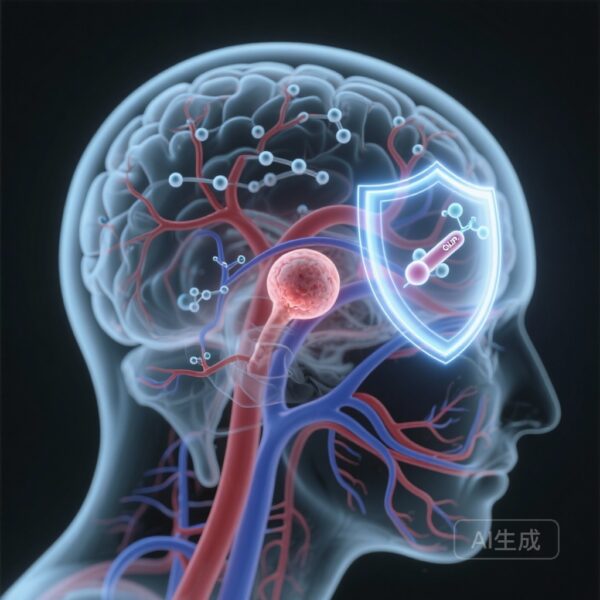
The link between ASCVD and suicide is likely multifactorial, involving a complex interplay of biological, psychological, and social mechanisms. From a biological perspective, both MI and stroke trigger systemic inflammatory responses. Pro-inflammatory cytokines, such as IL-6 and TNF-alpha, are known to cross the blood-brain barrier and have been implicated in the pathophysiology of depression and suicidal behavior. In stroke patients, direct damage to neuroanatomical pathways involved in mood regulation—such as the prefrontal cortex or basal ganglia—can lead to post-stroke depression (PSD), a well-documented precursor to suicidal ideation.
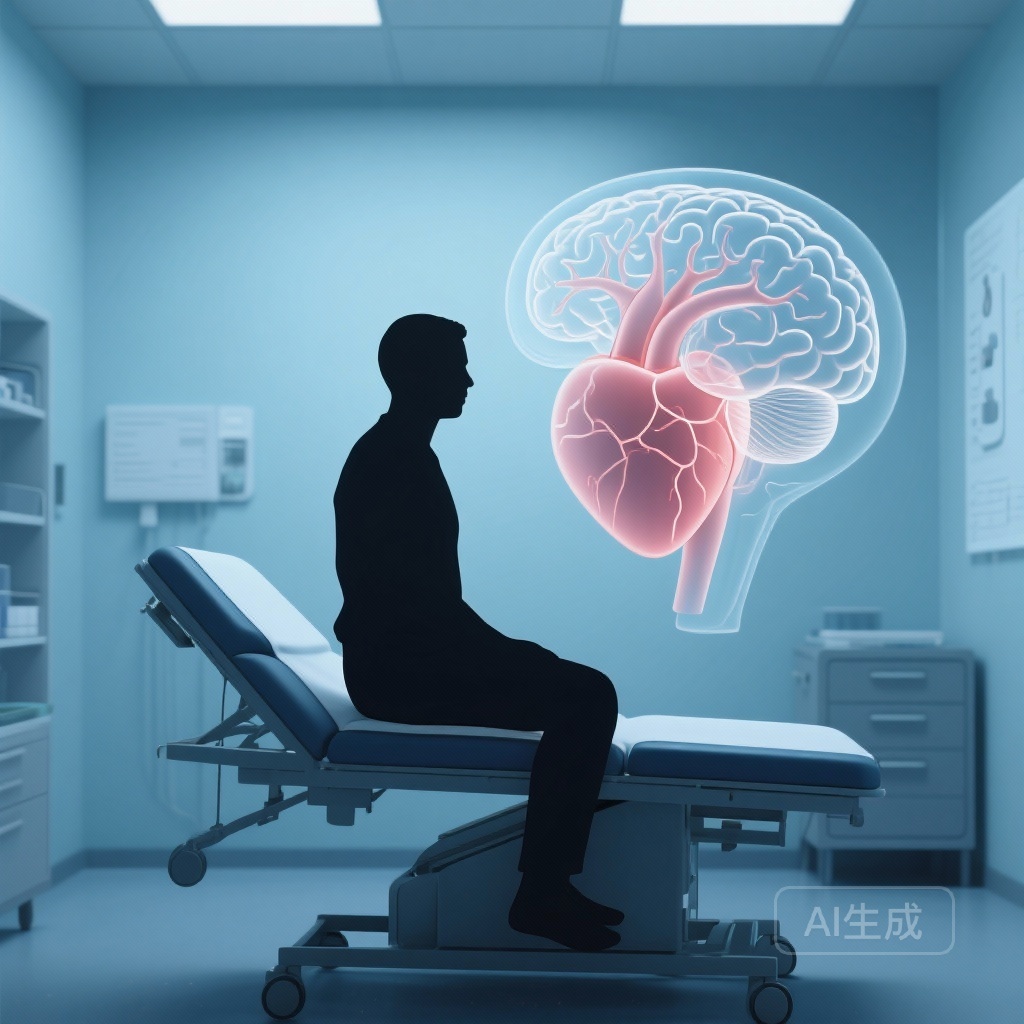
Psychologically, the sudden transition from a healthy individual to a ‘patient’ with a chronic, life-threatening condition can lead to a loss of autonomy and a fractured sense of identity. The financial strain of medical bills, combined with potential loss of employment and physical limitations, creates a ‘perfect storm’ for existential distress. This study reinforces the ‘heart-brain-mind’ axis, suggesting that cardiovascular health cannot be separated from mental health.
Clinical Implementation: Screening and Intervention
The results of this study necessitate a paradigm shift in how we manage post-ASCVD recovery. The current standard of care often neglects the psychiatric sequelae of cardiovascular events. To improve patient prognosis, the following strategies should be considered:
Integrated Mental Health Screening
Cardiology and neurology clinics should implement routine screening for depression and suicidal ideation using validated tools such as the Patient Health Questionnaire-9 (PHQ-9). Screening should occur not just in the acute phase, but periodically throughout the long-term follow-up.
Multidisciplinary Care Teams
Care for ASCVD patients should involve a multidisciplinary team, including cardiologists, neurologists, psychiatrists, and social workers. Collaborative care models have been shown to improve both physical and mental health outcomes in chronic disease populations.
Patient and Caregiver Education
Educating patients and their families about the potential for mood changes and psychological distress following an MI or stroke is crucial. Normalizing these experiences can reduce the stigma associated with seeking mental health support.
Conclusion
The Korean nationwide study provides compelling evidence that ASCVD is a significant risk factor for suicide. With an HR of 1.43 for the composite of MI and stroke, and nearly double the risk for those with both, the medical community can no longer afford to treat cardiovascular disease as a purely physical ailment. As we continue to advance in interventional techniques and pharmacotherapy to save hearts and brains, we must be equally vigilant in protecting the minds of those who survive. Screening for suicidal ideation must become a cornerstone of comprehensive ASCVD management to truly improve the long-term prognosis and well-being of our patients.
References
1. Bae NY, Park CS, Lim J, et al. Risk of Suicide in Individuals with Atherosclerotic Cardiovascular Disease: A Nationwide Population-Based Study. Eur J Prev Cardiol. 2026;zwag013. doi:10.1093/eurjpc/zwag013.
2. Kim JM, Stewart R, Kang HJ, et al. Longitudinal associations between cardiovascular disease and depression: A 12-year population-based study. J Psychosom Res. 2020;134:110123.
3. Pompili M, Venturini P, Campi S, et al. Do stroke patients have an increased risk of suicide? A systematic review of the current literature. CNS Neurol Disord Drug Targets. 2012;11(6):707-721.