The Intersection of Culture, History, and Heart Health
For many living in the Navajo Nation, the challenges of managing a complex chronic condition like heart failure are compounded by what public health experts call ‘structural drivers of health.’ These are not merely individual choices but the long-term consequences of settler colonialism, which have resulted in significant nutrition insecurity and the disruption of traditional food systems. In rural Indigenous communities, access to fresh, heart-healthy produce is often limited by vast distances, lack of transportation, and the prevalence of ‘food deserts’ where processed, high-sodium foods are the only available options.
Heart failure is a condition where the heart cannot pump blood as effectively as it should, leading to symptoms like shortness of breath, fatigue, and fluid retention. Proper nutrition—specifically a low-sodium, nutrient-dense diet—is a cornerstone of management. However, for many Diné (Navajo) people, standard dietary recommendations often feel culturally foreign and practically impossible to follow given the local environment. This is where the MUTTON-HF (Medically Utilized Tailored Traditional Foods to Optimize Nutrition in Heart Failure) program steps in, aiming to reclaim traditional precontact foods as a form of medicine.
A Story of Resilience: Samuel’s Journey
Consider the story of Samuel, a 62-year-old grandfather living in a remote area near the Arizona-New Mexico border. Diagnosed with heart failure three years ago, Samuel struggled to follow the ‘heart-healthy’ diet his doctors recommended. The nearest grocery store with fresh vegetables was a two-hour drive away, and the generic recipes he was given—focused on ingredients like kale and quinoa—didn’t resonate with his lifestyle or his palate.
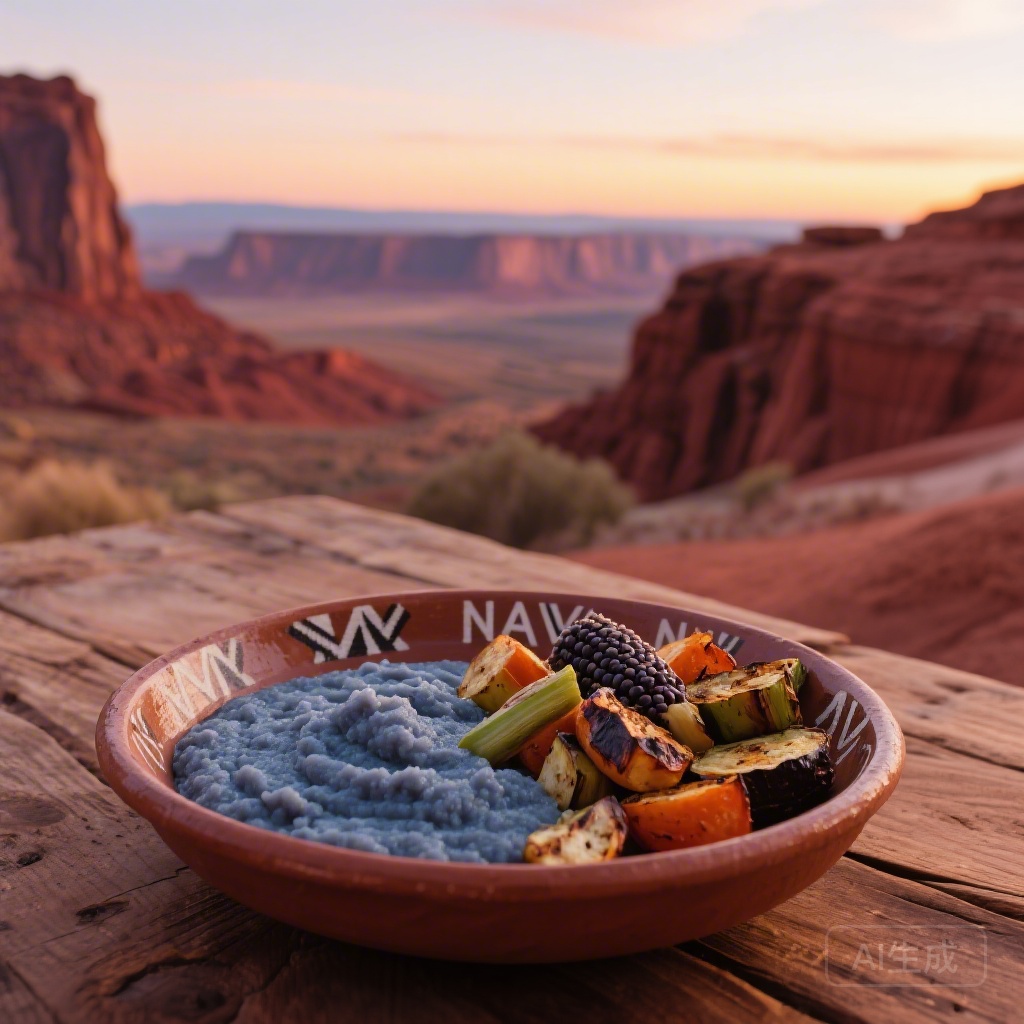
Samuel often felt exhausted, his ankles frequently swollen. When he joined the MUTTON-HF pilot program, his perspective shifted. Instead of being told what he *couldn’t* eat, he was provided with meals that felt like home: blue corn mush, locally sourced squash, and lean mutton prepared with traditional herbs. For four weeks, Samuel received 14 of these tailored meals weekly. For the first time in years, he wasn’t worried about where his next healthy meal would come from, and he felt a renewed connection to his heritage. By the end of the month, Samuel noticed he could walk to his sheep corral without stopping to catch his breath, and the scales showed he had lost five pounds of excess fluid weight.
The MUTTON-HF Initiative: A New Approach to Cardiovascular Care
The MUTTON-HF study was a single-arm pilot nonrandomized clinical trial conducted between late 2024 and early 2025. The objective was clear: to determine if a program that delivers medically tailored, Indigenous-focused meals to heart failure patients in rural Navajo Nation was actually feasible and acceptable to the community. This wasn’t just about nutrition; it was about ‘food sovereignty’—the right of a people to define their own food and agriculture systems.
Participants in the study were adults with heart failure receiving care at Indian Health Service sites. The intervention was intensive: 14 culturally and medically tailored meals delivered weekly for four weeks. These meals were not only designed to meet the rigorous nutritional standards required for heart failure patients (such as controlled sodium and saturated fats) but were also sourced from local Navajo farmers and ranchers. This created a circular economy that supported the community’s health and its livelihood simultaneously.
Scientific Evidence: What the Data Reveal
The results of the MUTTON-HF trial provide a compelling case for the ‘Food is Medicine’ model. Despite the logistical nightmares often associated with rural delivery—some patients lived more than 136 kilometers away from the distribution centers—the program achieved a 90% success rate in meal delivery. This high level of feasibility suggests that with the right infrastructure, even the most remote populations can be reached.
Acceptability was equally high. Using the Acceptability of Intervention Measure (AIM), patients gave the program an average score of 16.9 out of 20. Furthermore, the Net Promoter Score—a metric used to gauge how likely someone is to recommend a service—was 45.0%, which is considered excellent in a healthcare context. Perhaps most importantly, 85% of participants reported they were likely to continue making healthier dietary choices after the program ended.
Key Outcomes of the MUTTON-HF Trial
| Outcome Measure | Pre-Intervention | Post-Intervention |
|---|---|---|
| Food Secure Patients (%) | 40.0% | 85.0% |
| KCCQ Physical Limitation Score | 59.6 | 82.7 |
| KCCQ Social Limitation Score | 74.6 | 83.8 |
| Cultural Connectedness (Traditions) | 7.2 | 7.9 |
| Weight (Patients with Obesity) | Baseline | -2.3 kg (Average Loss) |
Beyond the logistics, the clinical improvements were striking. The Kansas City Cardiomyopathy Questionnaire (KCCQ) is a standard tool used to measure how much heart failure limits a patient’s life. Physical limitation scores jumped from 59.6 to 82.7, representing a significant improvement in quality of life. Additionally, food insecurity—a major stressor for heart failure patients—dropped dramatically, with the number of food-secure patients more than doubling during the study period.
Beyond Nutrients: The Importance of Food Sovereignty
The MUTTON-HF program highlights a critical shift in medical thinking. While nutrients like potassium and fiber are important, the *source* and *context* of those nutrients matter. By using Indigenous recipes and locally sourced Native food, the intervention addressed the ‘Cultural Connectedness’ of the patients. The study showed an increase in the Cultural Connectedness Scale (CCS) Traditions subscore, suggesting that eating these meals helped patients feel more grounded in their identity.
Dr. Lauren A. Eberly, the lead author of the study, and her colleagues emphasize that these findings are about more than just a four-week meal plan. They are about building a sustainable model where healthcare systems partner with local agricultural producers. Community farmers and ranchers also found the program highly feasible, scoring it 19.8 out of 20, indicating that the local supply chain is ready and willing to support such initiatives.
Moving Forward: From Pilot to Practice
The success of this nonrandomized trial serves as a foundation for a future, larger-scale randomized clinical trial. The ultimate goal is to move beyond ‘feasibility’ to prove ‘effectiveness’—to show that this model can reduce hospitalizations, lower mortality rates, and significantly close the health disparity gap for Indigenous populations.
For clinicians and researchers, MUTTON-HF offers a blueprint for addressing chronic disease in marginalized communities. It suggests that instead of prescribing generic dietary changes, we should look toward restorative practices that honor a patient’s heritage. For the people of the Navajo Nation, it offers a path to healing that is as much about reclaiming the past as it is about protecting the future of their hearts.
Clinical Trial Information and References
Trial Registration: ClinicalTrials.gov Identifier: NCT06675331.
Reference: Eberly LA, George C, Sandman S, et al. Feasibility of an Indigenous Food Is Medicine Program for Patients With Heart Failure in Rural Navajo Nation: The MUTTON-HF Nonrandomized Clinical Trial. JAMA Netw Open. 2026;9(2):e2556117. doi:10.1001/jamanetworkopen.2025.56117. PMID: 41649816.