Highlights
Trade-offs in Trust
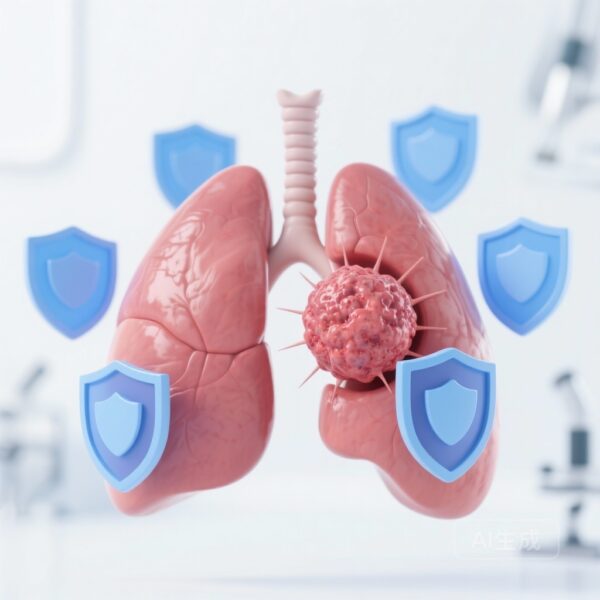
Participants receiving less sustainable treatment advice reported significantly higher trust scores compared to those receiving sustainable alternatives, particularly when sustainability was explicitly mentioned.
Severity Matters
In low-severity scenarios typical of general practice, sustainable advice did not significantly erode trust. However, in high-severity hospital settings, the introduction of environmental arguments negatively impacted patient perception.
Explicit vs. Implicit
Making sustainability the explicit rationale for a clinical choice was associated with the lowest trust scores, suggesting that patients may perceive environmental goals as competing with their personal health outcomes.
Background: The Dilemma of Green Healthcare
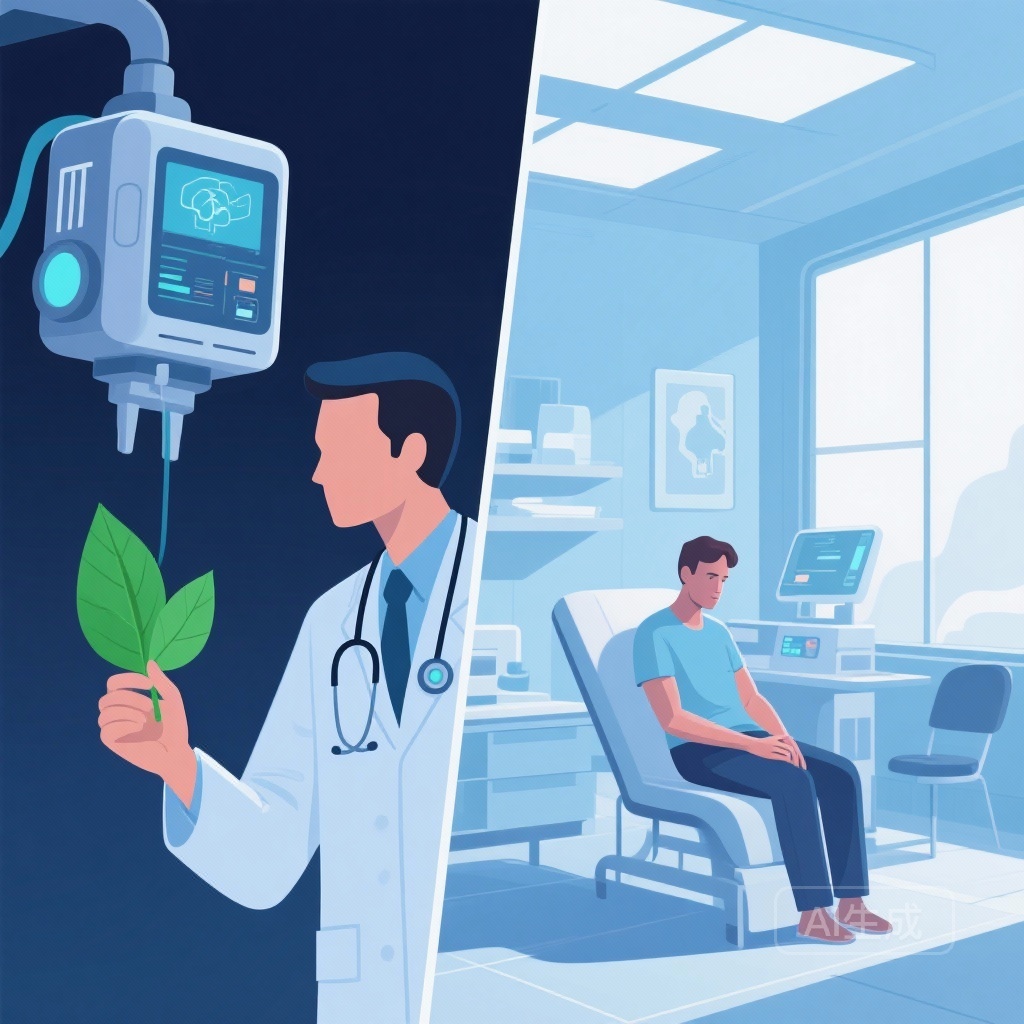
As the global climate crisis intensifies, the healthcare sector—responsible for approximately 5% of global greenhouse gas emissions—faces increasing pressure to decarbonize. Clinicians are increasingly encouraged to integrate environmental sustainability into their decision-making processes, often referred to as ‘green prescribing’ or sustainable clinical practice. However, the ethical cornerstone of medicine is the fiduciary duty to the individual patient.
There is a growing concern that incorporating ‘planetary health’ into clinical counseling might be perceived by patients as a conflict of interest. If a physician recommends a treatment because it is better for the planet, does the patient feel their personal health is being sidelined? Until recently, empirical data on how environmental sustainability affects the physician-patient relationship was scarce. The study by van Bree et al. (2025) published in Lancet Planet Health provides a rigorous examination of this dynamic within the Dutch healthcare context.
Study Design: A Double-Blind Experimental Vignette Approach
Researchers at the Leiden University Medical Center conducted a randomized, double-blind, experimental vignette study. They recruited a representative sample of 1536 Dutch adults, ensuring diversity in age, sex, education, and geography.
Methodology and Interventions
Participants were randomized into one of eight study groups based on a 4×2 factorial design:
1. Four types of advice: Less Sustainable, Sustainable (Implicit), Sustainable (Explicit), and a control/standard.
2. Two levels of severity: Low severity (General Practice setting) and High severity (Hospital/Referral setting).
Participants were presented with five short vignettes describing hypothetical patient-physician interactions. For example, a low-severity scenario might involve a minor respiratory infection, while a high-severity scenario might involve a complex surgical decision or chronic disease management. The primary outcome was ‘trust in care,’ measured via a practice-based composite score on a seven-point Likert scale.
Key Findings: The Trust Gap in High-Severity Care
Between May 16 and 31, 2024, the study analyzed responses from 1536 participants (mean age 51.7 years). The results revealed a nuanced but clear trend regarding patient trust.
Higher Trust in Conventional Options
Participants assigned to the ‘Less Sustainable’ advice group (representing standard care without environmental considerations) had the highest mean trust scores (5.6, SD 1.2). This suggests that currently, the ‘standard’ or ‘traditional’ treatment pathway remains the benchmark for patient confidence.
The Impact of Explicit Sustainability
Trust scores were lowest for the ‘Sustainable made Explicit’ advice (4.8, SD 1.6). When physicians explicitly stated that a treatment was chosen because of its environmental benefits, patients were significantly more skeptical of the advice compared to all other groups (p < 0.0001). This indicates a potential 'backfire effect' where transparency about green goals reduces clinical credibility.
The Severity Threshold
One of the most critical findings was the interaction between medical severity and trust. In low-severity scenarios, advising sustainable options—even explicitly—did not significantly diminish trust. This suggests that for minor ailments, patients are more willing to consider the collective good of environmental health.
However, in high-severity scenarios, the trust gap widened significantly. Post-hoc analysis showed that when the stakes are high, patients prioritize their own clinical outcomes above all else. Any mention of sustainability in these contexts was often perceived as a compromise on the quality or intensity of care required for their condition.
Expert Commentary: Navigating the Ethical and Clinical Friction
This study highlights a major challenge for the implementation of planetary health in clinical practice. The data suggests that patients may view healthcare as a zero-sum game: if the planet wins, the patient loses.
Mechanistic Insights
From a psychological perspective, trust in a physician is built on two pillars: competence and benevolence. When a doctor introduces environmental arguments, particularly in a high-stakes setting, the patient may question the doctor’s benevolence—specifically, whether the doctor is acting solely in the patient’s best interest or serving a broader social or political agenda. This ‘perceived diversion of loyalty’ is likely the driver behind lower trust scores in the explicit sustainability group.
Limitations and Generalizability
While the study used a large, representative sample, it relied on vignettes rather than real-world clinical encounters. Real-world trust is built over time through longitudinal relationships, which might mitigate some of the negative effects observed in a one-off hypothetical scenario. Furthermore, the Dutch population generally has high levels of environmental awareness; results might be even more pronounced in regions where climate change is a more polarized issue.
Conclusion: Moving Toward Integrated Planetary Health
Advising sustainable treatment options is a key strategy for greener clinical practice, but it must be handled with extreme care. The study by van Bree et al. demonstrates that for low-severity conditions, clinicians have significant ‘green’ maneuverability. For high-severity conditions, however, explicit sustainability counseling may be counterproductive to the therapeutic alliance.
To bridge this gap, healthcare systems must work on two fronts. First, they must ensure that ‘sustainable’ care is also ‘high-quality’ care, so that there is no actual trade-off to be feared. Second, public health messaging needs to better align individual health benefits with planetary health benefits, framing sustainable options not as a sacrifice, but as a component of modern, holistic medicine.
Funding and References
Funding: This study was funded by Leiden University.
References:
1. van Bree EM, van Gestel LC, Visser EH, Aardoom JJ, Brakema EA, Adriaanse MA. Integrating environmental sustainability in clinical counselling: a randomised, double-blind, experimental vignette study in the Netherlands. Lancet Planet Health. 2025 Nov;9(11):101328. doi: 10.1016/j.lanplh.2025.101328. Epub 2025 Nov 26. PMID: 41317741.
2. Watts N, et al. The 2020 report of The Lancet Countdown on health and climate change: responding to converging crises. Lancet. 2021;397(10269):129-170.
3. Sherman J, et al. The Focus of Health Care Reform Must Be the Health of Our Patients and the Health of Our Planet. JAMA. 2020;324(20):2031–2032.