Highlights
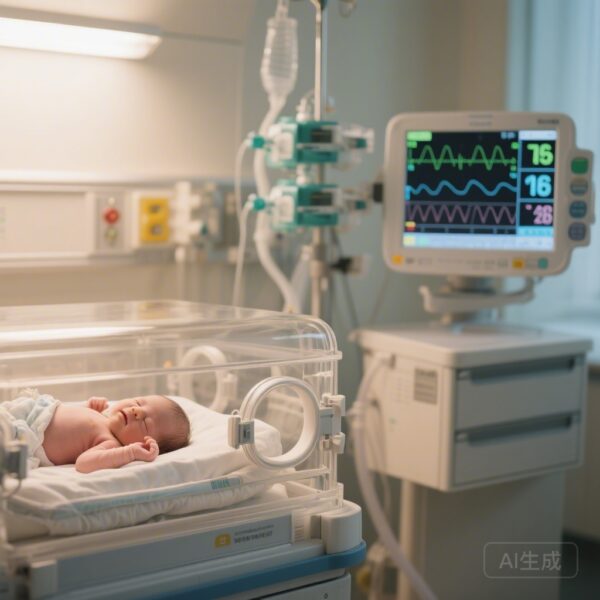
- In 2023, approximately 10.6 million children and adolescents (aged 0–19 years) worldwide experienced serious health-related suffering (SHS).
- A staggering 96% of these children reside in low-income and middle-income countries (LMICs) where access to palliative care is severely limited.
- The burden of suffering has shifted dramatically: non-decedents (survivors with chronic or progressive conditions) now account for 81% of the total SHS burden, up from 59% in 1990.
- Endocrine, metabolic, blood, and immune disorders represent 51% of the global paediatric SHS burden, followed by complications from premature birth and birth trauma.
Background: Defining the Unmet Need in Paediatric Care
For decades, palliative care was often erroneously conflated solely with end-of-life care. However, modern clinical definitions—and the evolving global disease burden—recognize that palliative care is essential for any patient facing serious health-related suffering (SHS). This is particularly critical in the paediatric population, where the trajectory of illness can span decades rather than weeks. Despite the clear ethical imperative, children in low-income and middle-income countries (LMICs) continue to bear the brunt of untreated pain and psychological distress. This study, published in The Lancet Child & Adolescent Health, provides the most comprehensive evaluation to date of the global need for paediatric palliative care from 1990 to 2023.
Study Design and Methodology
To quantify this burden, the research team applied and refined the SHS methodology originally developed by the Lancet Commission on Global Access to Palliative Care and Pain Relief. The methodology utilizes the Global Burden of Disease (GBD) 2023 dataset to estimate the prevalence and mortality of conditions associated with high levels of physical, psychological, or social distress.
The study employed a two-step approach facilitated by a multidisciplinary paediatric palliative care expert panel. First, the panel identified health conditions specific to children and established parameters for SHS estimation. Second, they differentiated between the SHS burden among ‘decedents’ (those who died within the year) and ‘non-decedents’ (those surviving with persistent or progressive suffering). This distinction is vital for health system planning, as non-decedents require long-term, integrated support rather than short-term terminal care.
Key Findings: The Scale of Global Suffering
The findings indicate that the absolute number of children experiencing SHS has remained relatively stable—approximately 10.6 million in 2023—but the nature of that suffering has undergone an epidemiological transition.
The Deceding vs. Non-Deceding Shift
One of the most significant findings is the decoupling of mortality from suffering. In 1990, survivors with chronic suffering (non-decedents) accounted for 59% of the total burden. By 2023, this figure rose to 81%. This shift suggests that while medical advancements have increased survival rates for many neonatal and chronic conditions, they have not necessarily improved the quality of life or reduced the symptom burden for those survivors. These children are living longer, but they are doing so with significant, unmanaged suffering.
Condition-Specific Burdens
The study identified three primary drivers of paediatric SHS:
- Endocrine, metabolic, blood, and immune disorders: Accounting for 51% of the global burden. This category includes conditions like sickle cell disease, which causes profound episodic and chronic pain.
- Premature birth and birth trauma: Responsible for 18% of the burden. Survivors often face long-term neurodevelopmental challenges and chronic pain.
- Injury, poisoning, and external causes: Contributing 7% to the total.
Geographic Disparity
The inequality in access to care is stark. 96% of children with SHS live in LMICs. In these regions, the infrastructure for paediatric palliative care is often non-existent, and access to essential medicines, such as oral morphine for pain management, is frequently blocked by regulatory hurdles or supply chain failures.
Expert Commentary: A Health System Imperative
The shift toward a non-decedent majority highlights a critical gap in current health policy. Most palliative care frameworks in LMICs, where they exist, are modeled on adult oncology or HIV/AIDS hospice care. These models are often ill-equipped to handle the long-term, multidisciplinary needs of a child with a complex metabolic disorder or the sequelae of birth trauma.
Clinicians and policy experts argue that paediatric palliative care must be integrated into primary and secondary healthcare levels. It should not be viewed as a luxury service but as a fundamental component of Universal Health Coverage (UHC). The high prevalence of SHS among survivors demands a longitudinal approach to symptom management, psychological support for the family unit, and community-based interventions.
Clinical and Policy Recommendations
To address these findings, the study authors and independent experts suggest several urgent interventions:
1. Regulatory Reform for Analgesia
Many LMICs have overly restrictive laws regarding opioid prescription, fearing diversion. These policies must be balanced to ensure that children with sickle cell disease or terminal cancer are not denied essential pain relief.
2. Integration into Maternal and Child Health (MCH)
Given that nearly 20% of SHS arises from neonatal complications, palliative care modules should be integrated into existing MCH programs to provide immediate support for families of high-risk neonates.
3. Funding for Long-term Care Models
With 81% of the burden residing in non-decedents, funding must move beyond ‘hospice’ models toward ‘home-based’ and ‘outpatient’ palliative care that supports children throughout their developmental years.
Conclusion
The evolution of serious health-related suffering from 1990 to 2023 reveals a growing ‘survivorship’ crisis. As more children survive acute illnesses, the global health community must ensure they do not survive into a lifetime of unmanaged pain and distress. The concentration of this burden in LMICs is a call to action for international funding bodies and national governments to prioritize paediatric palliative care as a matter of basic human rights and clinical necessity.
Funding
This study was funded by the University of Miami.
References
Downing J, Knaul FM, Kwete XJ, et al. The global need for paediatric palliative care: the evolution of serious health-related suffering in children aged 0-19 years from 1990 to 2023. Lancet Child Adolesc Health. 2026 Mar;10(3):167-178. doi: 10.1016/S2352-4642(25)00338-4. PMID: 41679887.