Background and Clinical Context
Diabetic macular edema (DME) represents one of the most common causes of vision loss among working-age adults worldwide, affecting approximately 21 million individuals globally. This condition develops as a consequence of diabetic retinopathy, where chronic hyperglycemia leads to breakdown of the inner blood-retinal barrier, resulting in fluid accumulation within the central macula. The advent of anti-vascular endothelial growth factor (anti-VEGF) therapies has revolutionized DME management over the past two decades, with agents such as aflibercept, ranibizumab, and bevacizumab becoming standard-of-care options. However, the burden of frequent intravitreal injections—often requiring monthly visits during loading phases and regular monitoring thereafter—poses significant challenges for patients, healthcare systems, and clinical practices alike.
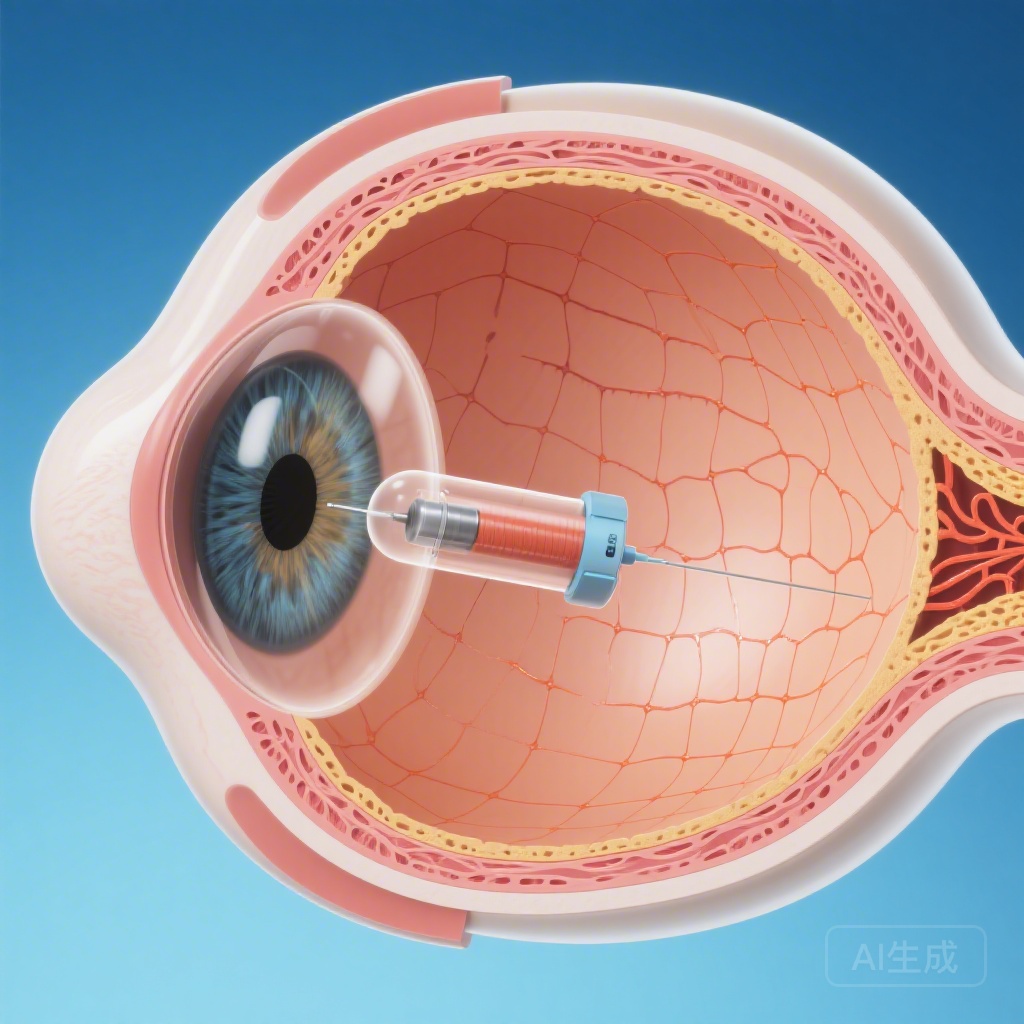
The search for longer-acting therapies that can reduce injection frequency while maintaining therapeutic efficacy has driven research into sustained-release drug delivery systems. Among these, the fluocinolone acetonide (FAc) 0.19 mg intravitreal implant (Iluvien®, Alimera Sciences) has emerged as a noteworthy candidate. Unlike traditional anti-VEGF agents that require frequent redosing, this corticosteroid implant is designed to release medication continuously over a period of up to 36 months, potentially offering a paradigm shift in DME management strategies.
Study Design and Methodology
The NEW DAY study (ClinicalTrials.gov NCT04469595) was designed as a prospective, randomized, single-masked, active-controlled, multicenter Phase 4 clinical trial spanning 18 months. The study enrolled 517 adults with type 1 or type 2 diabetes who presented with center-involving diabetic macular edema, confirmed by central subfield thickness (CST) measurements on optical coherence tomography (OCT). Of these, 306 participants met eligibility criteria and were randomized in a 1:1 ratio to receive either the FAc implant or aflibercept therapy.
Participants in the FAc group received a single 0.19 mg fluocinolone acetonide intravitreal implant at baseline, followed by rescue supplemental injections of aflibercept (2 mg/0.05 mL) as needed throughout the 17-month observation period. In contrast, the aflibercept control arm underwent a standard loading phase consisting of five consecutive doses administered every 4 weeks, followed by individualized treatment intervals with supplemental aflibercept injections as needed for the remaining 13-month period. This design allowed investigators to compare a sustained-release corticosteroid strategy against the current standard anti-VEGF loading and pro re nata (PRN) approach.
The primary efficacy endpoint was the mean number of rescue supplemental aflibercept injections required during the study period, comparing the two treatment groups. Secondary endpoints encompassed multiple clinically relevant parameters, including time to first rescue supplemental injection, best-corrected visual acuity (BCVA) changes from baseline, CST reductions on OCT, rates of cataract surgical procedures, and the incidence of intraocular pressure (IOP) elevation.
Key Findings: Efficacy Outcomes
The primary endpoint analysis revealed that the mean number of rescue supplemental injections was comparable between treatment groups: 2.4 (standard deviation [SD] 3.2) in the FAc arm versus 2.5 (SD 3.1) in the aflibercept arm (P=0.76). This result did not meet statistical significance for superiority, indicating that the FAc implant did not demonstrate a reduction in rescue anti-VEGF injections compared to the standard aflibercept PRN regimen.
However, a compelling secondary finding emerged when total injection exposure was considered. When protocol-mandated aflibercept doses were included alongside rescue injections, participants in the FAc group received substantially fewer total injections compared to the aflibercept group: 3.4 (SD 3.2) versus 7.2 (SD 3.4) injections, respectively (nominal P<0.001). This 53% reduction in total injection burden represents a clinically meaningful advantage for the sustained-release corticosteroid approach, potentially translating to fewer clinic visits, reduced healthcare resource utilization, and improved patient compliance.
Time to first rescue supplemental injection favored the FAc group significantly. The mean interval was 185.4 days (SD 97.9) for FAc-treated participants compared to 132.8 days (SD 94.0) for those receiving aflibercept (nominal P<0.001). Despite this delay in requiring rescue therapy, the proportions of participants who remained rescue-injection-free throughout the study were similar between groups: 32.5% in the FAc arm versus 30.3% in the aflibercept arm (nominal P=0.68).
Visual acuity outcomes demonstrated comparable effectiveness between treatment strategies. Mean change in best-corrected visual acuity from baseline to study conclusion was 1.8 letters in the FAc group and 5.5 letters in the aflibercept group (nominal P=0.08), a difference that did not reach statistical significance. Anatomic response, as measured by central subfield thickness reduction on OCT, was also similar: mean CST change was -119 μm (SD 112) with FAc versus -114 μm (SD 103) with aflibercept (nominal P=0.71).
Safety Profile and Adverse Events
The safety analysis revealed expected differences between the two treatment modalities, primarily attributable to the known pharmacologic properties of corticosteroids. Cataract formation represents a class effect of intravitreal corticosteroids, and the NEW DAY study confirmed this concern. Among phakic participants receiving the FAc implant, 27.9% underwent cataract surgery during the study period, compared to only 6.6% in the aflibercept group. This nearly fourfold increase in cataract procedures highlights the importance of careful patient selection when considering FAc therapy, particularly in phakic individuals where lens status and surgical candidacy must be thoroughly evaluated.
Intraocular pressure elevation, another recognized corticosteroid-related adverse effect, occurred more frequently in the FAc treatment arm. Increased IOP was documented in 15.6% of FAc-treated participants compared to 3.3% in the aflibercept group. While these IOP elevations were manageable with standard medical or procedural interventions in most cases, this safety signal underscores the need for ongoing monitoring of ocular hypertension in patients receiving sustained-release corticosteroid therapy. Notably, the safety findings aligned with the established profile of the FAc implant from previous clinical investigations, providing consistency to the overall risk-benefit assessment.
Expert Commentary and Clinical Implications
The NEW DAY study findings occupy an important niche in the evolving landscape of DME management, offering clinicians additional evidence to inform treatment decisions. The failure to meet the primary endpoint regarding rescue injection superiority may initially appear disappointing; however, the totality of evidence suggests that the FAc implant provides a viable alternative therapeutic strategy with distinct advantages.
From a practical standpoint, the substantial reduction in total injection burden—achieved without sacrificing visual or anatomic outcomes—addresses one of the most persistent challenges in DME care. Patients with diabetes often face multiple comorbidities requiring frequent medical appointments, making the prospect of fewer intravitreal injections particularly attractive. Healthcare systems grappling with capacity constraints in ophthalmology clinics may also benefit from treatment strategies that minimize visit frequency without compromising efficacy.
The delayed time to first rescue injection observed with FAc suggests that the initial corticosteroid monotherapy provides sustained therapeutic effect during the critical early phase of DME treatment. This observation supports the concept of using the FAc implant as a true baseline or first-line therapy, potentially deferring or reducing the need for ongoing anti-VEGF supplementation in many patients.
However, several considerations temper enthusiasm for widespread adoption. The increased rates of cataract surgery and IOP elevation necessitate careful patient counseling and enhanced monitoring protocols. Patient selection should prioritize those who are already aphakic or pseudophakic, have documented intolerance to anti-VEGF agents, demonstrate high injection burden with conventional therapy, or face significant barriers to frequent clinic attendance. Additionally, the 18-month duration of the NEW DAY study, while informative, provides limited insight into very long-term outcomes including implant durability beyond initial release kinetics and cumulative safety events over extended treatment periods.
Conclusion
The Phase 4 NEW DAY study demonstrates that fluocinolone acetonide 0.19 mg intravitreal implant as baseline therapy for diabetic macular edema achieves visual and anatomic outcomes comparable to standard aflibercept treatment, while delivering a 53% reduction in total injection burden. Although the primary endpoint of rescue injection superiority was not achieved, the clinically meaningful decrease in treatment exposure, combined with delayed time to rescue therapy, positions the FAc implant as a valuable option within the DME treatment armamentarium.
Safety findings align with the known corticosteroid profile, with elevated rates of cataract procedures and IOP elevation requiring consideration during treatment selection and monitoring. Future research should explore head-to-head comparisons with other sustained-release agents, long-term outcomes beyond 18 months, and strategies for optimizing sequential or combination therapy approaches in DME management.
Funding and Clinical Trial Registration
This study was sponsored by Alimera Sciences, the manufacturer of the fluocinolone acetonide implant. The NEW DAY study is registered on ClinicalTrials.gov under identifier NCT04469595.
References
Singer MA, Wykoff CC, Riemann CD, Gonzalez VH, Weng CY, Alkhatib K, Amarshi RA, Moody S, Pao M. Fluocinolone Acetonide Implant as a Baseline Therapy for Diabetic Macular Edema: Results from the Randomized Phase 4 NEW DAY Study. Ophthalmology. 2026 Mar 24. PMID: 41887289.