Highlights
Eribulin achieved an objective response rate (ORR) of 17% in metastatic angiosarcoma and 33% in epithelioid hemangioendothelioma (EHE).
Clinical activity was observed in a heavily pretreated population, with 85% of patients having received prior taxane-based therapy.
A subset of patients demonstrated a Time to Progression (TTP) ratio greater than 1.3, suggesting superior disease control compared to their previous line of therapy.
Introduction: The Challenge of Rare Vascular Sarcomas
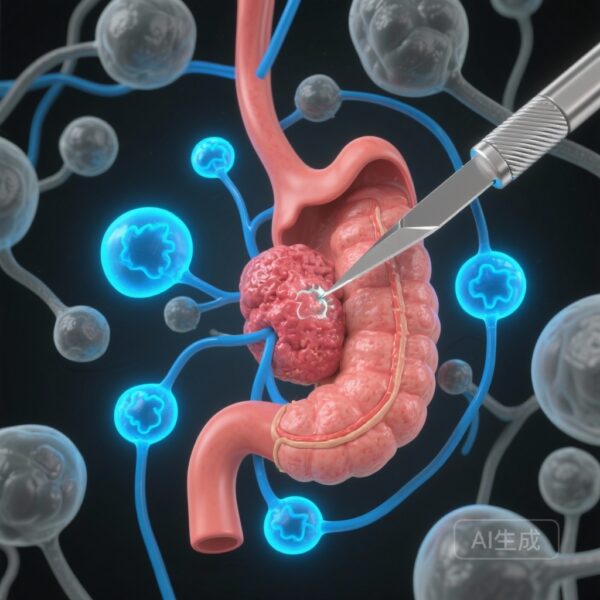
Vascular sarcomas, including angiosarcoma and epithelioid hemangioendothelioma (EHE), represent a rare and heterogeneous group of malignancies derived from vascular endothelial or lymphatic cells. Angiosarcoma is known for its aggressive clinical course, high recurrence rate, and poor overall prognosis. While taxanes (such as paclitaxel) and anthracyclines are considered standard first-line therapies, many patients eventually develop resistance, leaving few evidence-based options for subsequent treatment lines. EHE, while often more indolent than angiosarcoma, remains unpredictable and can behave aggressively in the metastatic setting, with no globally established standard of care for systemic therapy.
Given that vascular endothelial cells are highly dependent on microtubule dynamics for migration and tube formation, microtubule-targeting agents have long been a focus of therapeutic interest. However, once a patient progresses on a taxane, the biological pathways governing resistance often limit the efficacy of other traditional tubulin-stabilizing agents. This creates a critical unmet need for novel agents that can bypass these resistance mechanisms.
The Pharmacological Rationale: Eribulin’s Unique Mechanism
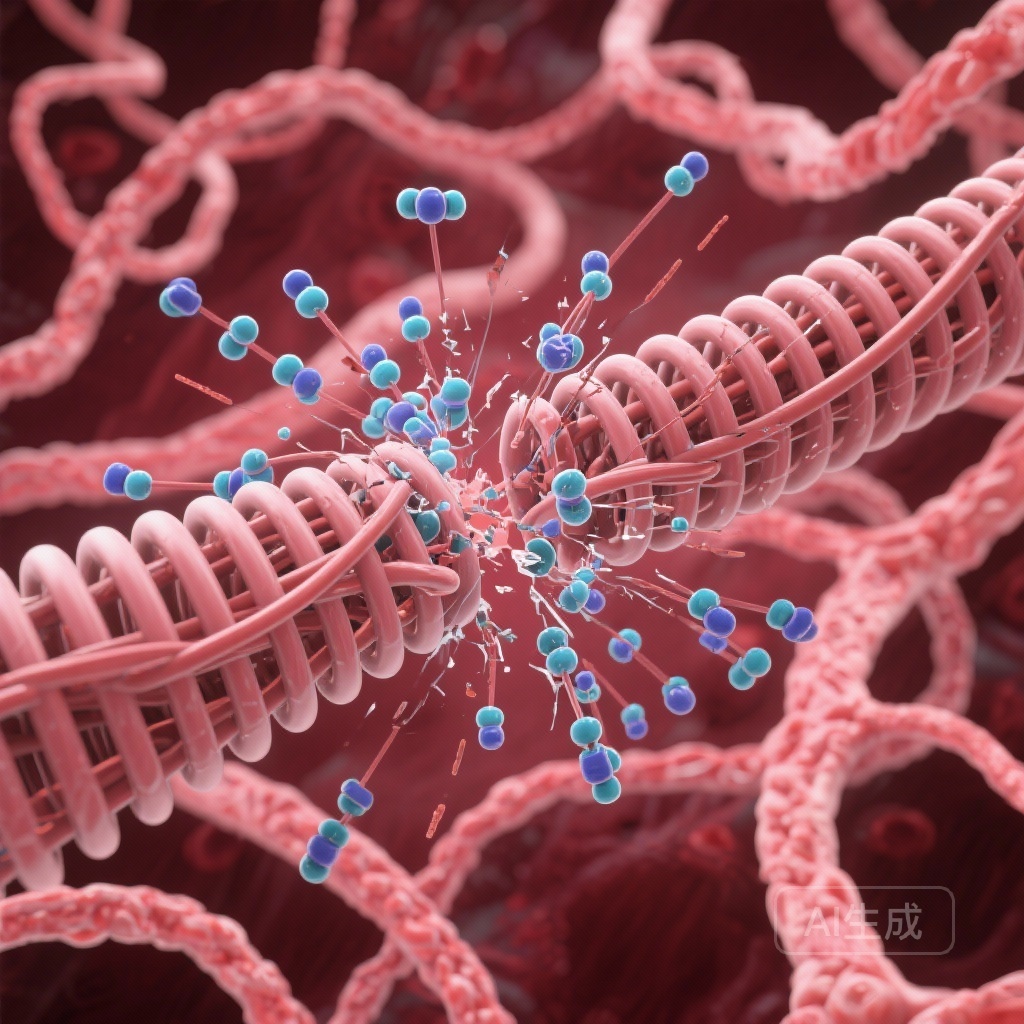
Eribulin mesylate is a synthetic analog of halichondrin B, a natural product isolated from the marine sponge Halichondria okadai. Unlike taxanes, which stabilize microtubules, eribulin is a microtubule dynamics inhibitor with a distinct mechanism of action. It binds specifically to high-affinity sites at the plus ends of microtubules, inhibiting the growth phase without affecting the shortening phase. This leads to the sequestration of tubulin into nonproductive aggregates, causing an irreversible mitotic block in the G2-M phase and subsequent apoptosis.
Beyond its antimitotic effects, eribulin has demonstrated non-mitotic activities, including vascular remodeling and the reversal of epithelial-to-mesenchymal transition (EMT). In vascular tumors, these secondary effects may be particularly relevant, potentially improving tumor perfusion or altering the tumor microenvironment to inhibit metastatic spread. This dual mechanism provided the scientific foundation for testing eribulin in angiosarcoma and EHE.
Study Design and Methodology
The study was a pooled analysis of two parallel Phase 2 trials conducted to evaluate the efficacy and safety of eribulin in patients with metastatic or recurrent angiosarcoma and EHE. The participants were required to be 18 years of age or older with histologically confirmed disease. The treatment regimen consisted of eribulin administered intravenously at a dose of 1.4 mg/m2 on days 1 and 8 of a 21-day cycle.
The primary endpoint was the objective response rate (ORR) as defined by RECIST 1.1 criteria. Secondary endpoints included progression-free survival (PFS), safety, and the Time to Progression (TTP) ratio. The TTP ratio (TTP2/TTP1) compared the duration of disease control on eribulin (TTP2) to the duration of control on the patient’s immediately preceding therapy (TTP1). A ratio of >1.3 is often considered a sign of clinically meaningful drug activity in late-line sarcoma trials.
Results: Clinical Activity in Angiosarcoma
A total of 23 patients with metastatic angiosarcoma were evaluable. This cohort was characterized by significant prior treatment, with 85% having been exposed to taxanes. Despite this, eribulin demonstrated notable activity. The ORR in the angiosarcoma group was 17%. Furthermore, 26% of patients (6 out of 23) achieved stable disease (SD) for more than 6 months. These findings are particularly significant given that taxane-refractory angiosarcoma typically carries a very poor prognosis with limited response to subsequent cytotoxic agents.
The durability of response in some patients suggests that eribulin may not share complete cross-resistance with taxanes, likely due to its unique binding site on the tubulin protein. This makes it a viable candidate for second- or third-line therapy in patients who have exhausted standard options.
Results: Efficacy in Epithelioid Hemangioendothelioma (EHE)
The EHE cohort included 6 patients. While the sample size was small—reflective of the extreme rarity of the disease—the results were encouraging. The ORR was 33% (2 out of 6 patients). Notably, 2 of the 6 patients remained on eribulin treatment for over 12 months, indicating a subset of EHE patients may derive prolonged benefit from this microtubule inhibitor. Given the lack of established systemic therapies for EHE, these data provide a signal for further investigation in larger, perhaps international, collaborative trials.
Safety and Tolerability Profile
The safety profile of eribulin in this study was consistent with its known toxicity profile in other indications, such as breast cancer and liposarcoma. The most common adverse events included neutropenia, fatigue, and peripheral neuropathy. Most toxicities were manageable with dose delays or reductions. No new or unexpected safety signals were identified, confirming that the 1.4 mg/m2 schedule is tolerable for patients with vascular sarcomas, even those who may have been weakened by prior lines of chemotherapy.
Expert Commentary: Contextualizing the Findings
The results of this Phase 2 study are a significant addition to the limited evidence base for managing metastatic vascular sarcomas. The observation of a TTP2/TTP1 ratio >1.3 in five patients is particularly compelling. In the context of progressive metastatic disease, where subsequent lines of therapy usually yield shorter periods of control than previous ones, any agent that can extend the time to progression beyond that of the prior line is of high interest to clinicians.
However, the study has limitations, primarily its small sample size and the single-arm design. While the ORR is promising, vascular sarcomas are known for their heterogeneity. For instance, cutaneous angiosarcomas often behave differently than visceral or radiation-induced angiosarcomas. Future research should aim to identify biomarkers of response, perhaps focusing on the genetic drivers of these tumors, such as MYC amplification in radiation-induced cases or the WWTR1-CAMTA1 fusion in EHE, to better select patients who are most likely to benefit from eribulin.
Conclusion
In conclusion, eribulin shows meaningful clinical activity and a manageable safety profile in patients with metastatic angiosarcoma and EHE. Its efficacy in taxane-pretreated patients highlights its potential as a non-cross-resistant therapeutic option. While larger confirmatory studies are needed, these findings support the use of eribulin as a consideration in the salvage setting for these challenging vascular malignancies.
References
Cote GM, Aberoumand M, Choy E, et al. A Phase 2 Study of the Eribulin in Patients with Metastatic Angiosarcoma and Epithelioid Hemangioendothelioma (EHE). Clin Cancer Res. 2026 Jan 2. doi: 10.1158/1078-0432.CCR-25-3362. PMID: 41481257.
Schöffski P, et al. Eribulin versus dacarbazine in previously treated patients with advanced liposarcoma or leiomyosarcoma: a randomised, open-label, multicentre, phase 3 trial. Lancet. 2016;387(10028):1629-1637.