Highlights
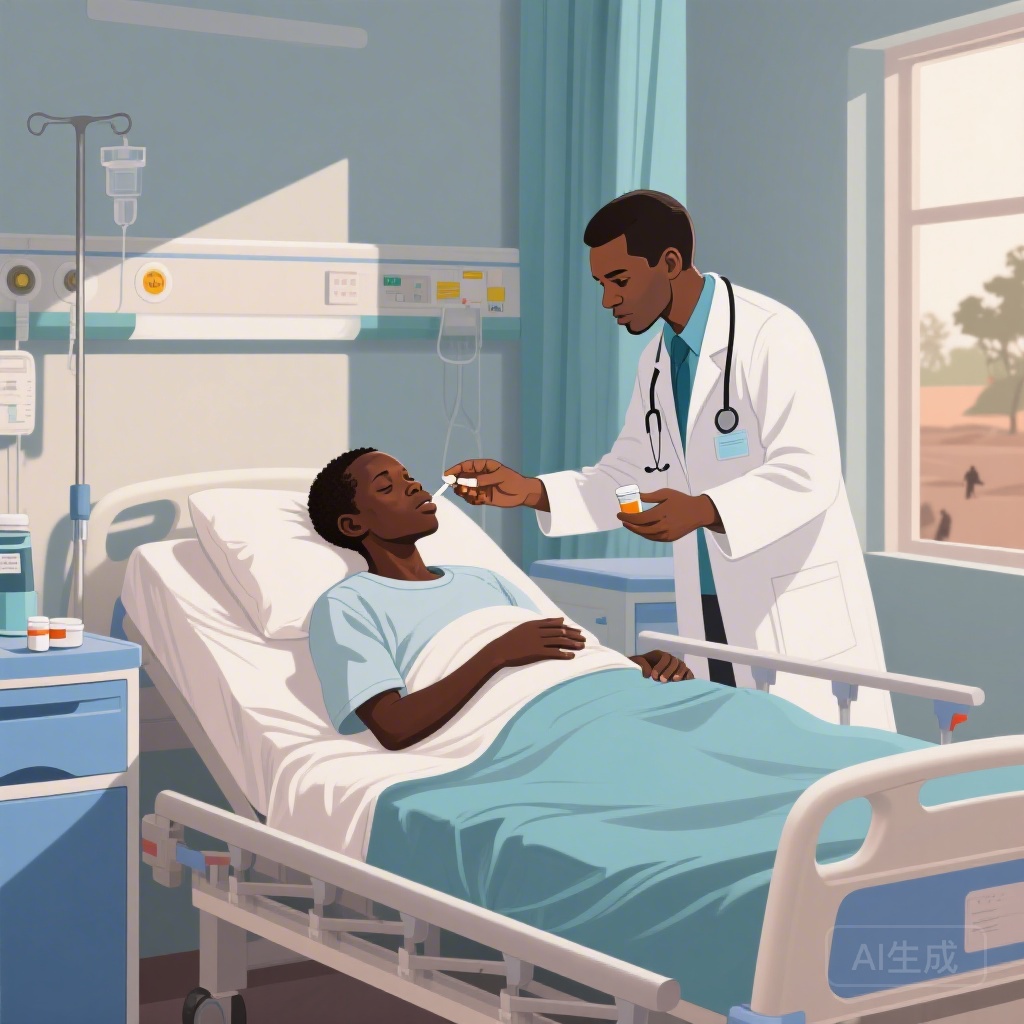
The IMPROVE trial confirms that inpatient initiation of a one-month daily course of rifapentine and isoniazid (1HP) is non-inferior to outpatient initiation for adults with advanced HIV disease (AHD) and cryptococcal meningitis. Hospital-based initiation achieved a 70 percent success rate in tuberculosis (TB) disease-free survival and treatment completion, compared to 62 percent in the outpatient group. Notably, treatment completion rates were higher in the inpatient group (76 percent vs 66 percent), suggesting that earlier intervention may reduce the risk of loss to follow-up. Safety profiles were comparable between the two strategies, with a lower incidence of grade 4 anemia observed in the inpatient initiation group.
Background and Disease Burden
Tuberculosis remains the leading cause of morbidity and mortality among people living with HIV globally, particularly in sub-Saharan Africa. For individuals with advanced HIV disease (AHD), defined by a CD4 count of less than 200 cells/uL or the presence of WHO stage 3 or 4 clinical conditions, the risk of developing active TB is exceptionally high. Cryptococcal meningitis is one of the most severe opportunistic infections in this population, carrying a high risk of early mortality and significant clinical complexity.
While tuberculosis preventive therapy (TPT) is a cornerstone of HIV care, its implementation in patients with AHD and concomitant opportunistic infections has been historically challenging. Clinicians often hesitate to initiate TPT during the acute phase of cryptococcal meningitis treatment due to concerns regarding pill burden, drug-drug interactions, potential hepatotoxicity, and the risk of Immune Reconstitution Inflammatory Syndrome (IRIS). However, delaying TPT until the outpatient phase frequently leads to missed opportunities, as many patients fail to return for follow-up or develop active TB in the interim. The ultra-short 1HP regimen—consisting of 28 days of daily rifapentine and isoniazid—offers a potentially transformative solution to increase uptake and completion rates compared to traditional 6-to-9-month regimens.
Study Design and Methodology
The IMPROVE trial (ISRCTN 18437550) was a phase-3, open-label, non-inferiority, randomised controlled strategy trial conducted across three tertiary referral hospitals in Uganda: Mulago National Specialised Hospital, Kiruddu National Referral Hospital, and Mbarara Regional Referral Hospital. The study recruited adults aged 18 years or older who were hospitalized with AHD and receiving treatment for cryptococcal meningitis.
Participants were screened for active TB during their hospitalization. Those without evidence of active TB and meeting eligibility criteria—including normal liver function tests and absence of active hepatitis B—were randomly assigned (1:1) to one of two strategies:
1. Inpatient initiation: Beginning the 1HP regimen before hospital discharge.
2. Outpatient initiation: Beginning the 1HP regimen 6 weeks after the diagnosis of cryptococcal meningitis.
The 1HP regimen was standardized as a 28-day course of 600 mg rifapentine plus 300 mg isoniazid daily, supplemented with 25 mg of pyridoxine to prevent peripheral neuropathy. No weight-based dose adjustments were made. The primary endpoint was a composite of TB disease-free survival and 1HP treatment completion at 18 weeks, with a pre-specified non-inferiority margin of 15 percent. Analysis was performed on an intention-to-treat basis.
Key Findings: Non-Inferiority and Completion Rates
Between January 2022 and November 2024, the trial screened 419 adults, eventually randomizing 205 participants (103 to the inpatient group and 102 to the outpatient group). The population was 58 percent male with a high burden of disease typical of AHD cohorts in tertiary care.
In the primary adjusted intention-to-treat analysis, the inpatient group met the composite endpoint of TB-free survival and treatment completion in 70 percent of cases (72/103). In contrast, the outpatient group achieved this in 62 percent of cases (63/102). The adjusted risk difference was 7.1 percent (90% CI -3.8 to 17.9), successfully confirming the non-inferiority of inpatient initiation.
When examining 1HP treatment completion as a standalone metric, the inpatient group demonstrated a clear advantage. Completion was achieved by 76 percent of the inpatient group compared to 66 percent of the outpatient group (site-adjusted risk difference 9.7%, 95% CI -2.4 to 21.8). This suggests that the structured environment of the hospital and the immediate transition into preventive care may overcome the logistical barriers that often hinder outpatient TPT initiation.
Safety and Tolerability
Safety is a paramount concern when introducing rifamycin-based regimens in patients already receiving complex antifungal and antiretroviral therapies. The IMPROVE trial reported 170 grade 3 or 4 adverse events occurring in 48 percent of the total study population. This high rate reflects the underlying severity of advanced HIV and cryptococcal meningitis rather than the toxicity of the 1HP regimen itself.
Among those who took at least one dose of 1HP, the frequency of adverse events was largely similar between the two trial arms. However, a statistically significant difference was noted in the incidence of grade 4 anemia, which occurred in 9 percent of the outpatient group compared to only 2 percent of the inpatient group (p=0.045). This finding was somewhat unexpected and may suggest that earlier stabilization of health status or closer monitoring during the inpatient phase provided a protective benefit, or that the delay in the outpatient group allowed for further clinical deterioration before TPT was started.
Expert Commentary and Clinical Implications
The IMPROVE trial provides critical evidence for evolving the care standards for patients with AHD. For years, the ‘wait and see’ approach dominated clinical practice, fearing that early TPT would overwhelm the patient or complicate the management of cryptococcal meningitis. These results challenge that dogma, demonstrating that the ‘hospital as a platform’ strategy is not only feasible but potentially superior in terms of ensuring treatment completion.
From a mechanistic perspective, the use of rifapentine (a long-acting rifamycin) in a daily 1-month regimen reduces the duration of exposure compared to traditional isoniazid monotherapy, which may limit the window for drug-induced liver injury. Furthermore, the lack of a need for weight-based dosing simplifies the logistics for clinicians in resource-limited settings.
However, some limitations must be considered. The open-label nature of the trial could introduce bias in reporting, although the hard endpoints of TB-free survival and biochemical markers of safety mitigate this. Additionally, the study was conducted in a high-prevalence TB setting in Uganda; while these results are highly relevant for similar contexts in sub-Saharan Africa, generalizability to lower-burden settings or different HIV subtypes requires caution.
Conclusion
Inpatient initiation of 1HP for adults with advanced HIV and cryptococcal meningitis is a safe, feasible, and effective strategy. By confirming non-inferiority to outpatient initiation and showing a trend toward better completion rates, the IMPROVE trial supports a shift toward earlier, hospital-based preventive intervention. This approach aligns with global efforts to integrate TB prevention into the broader package of care for advanced HIV disease, potentially saving lives by closing the gap in TPT coverage.
Funding and Clinical Trial Information
This research was funded by The Wellcome Trust, the UK National Institute for Health and Care Research (NIHR), and the US National Institutes of Health (NIH). The trial is registered with ISRCTN, number 18437550.
References
1. Ellis J, Hale G, Nsangi LJ, et al. Inpatient initiation of tuberculosis preventive therapy with 1 month of isoniazid and rifapentine for adults with advanced HIV disease and cryptococcal meningitis (IMPROVE): a non-inferiority, randomised controlled trial. Lancet HIV. 2026;S2352-3018(25)00246-2.
2. Swindells S, Ramchandani R, Gupta A, et al. One month of rifapentine plus isoniazid to prevent HIV-related tuberculosis. New England Journal of Medicine. 2019;380(11):1001-1011.
3. World Health Organization. WHO consolidated guidelines on tuberculosis: tuberculosis preventive treatment. Geneva: World Health Organization; 2020.