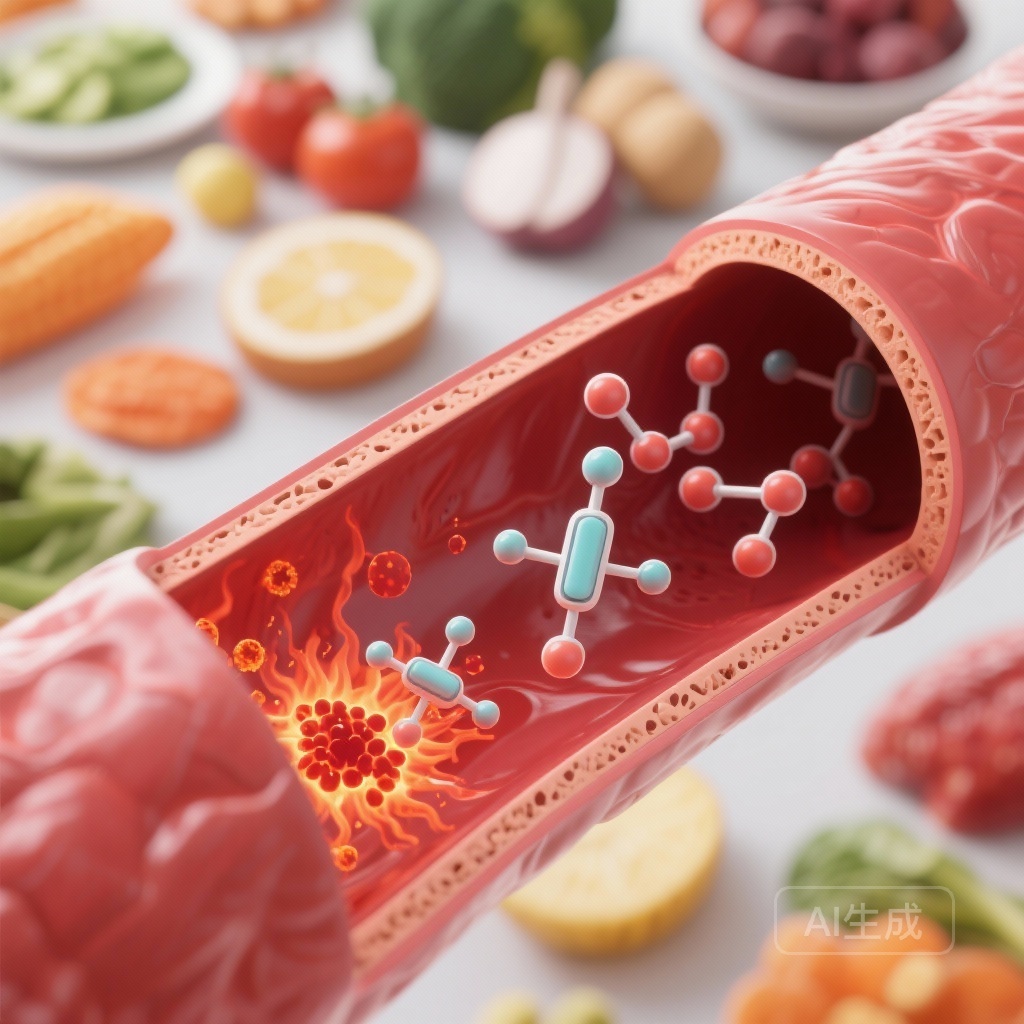
Highlighting the Link Between Diet and Metabolic Progression
For women with a history of gestational diabetes mellitus (GDM), the postpartum period represents a critical window for metabolic intervention. Recent evidence from a large-scale prospective study highlights that the inflammatory and insulinemic potential of one’s diet are major determinants of whether a woman will transition to type 2 diabetes (T2D). The research, spanning over 84,000 person-years of follow-up, underscores that dietary quality—specifically its impact on systemic inflammation and insulin secretion—is a modifiable risk factor that clinicians must prioritize in post-GDM care.
Background: The Post-GDM Window of Risk
Gestational diabetes is one of the most common pregnancy complications, and while it often resolves after delivery, it leaves a lasting imprint on a woman’s metabolic profile. Women with a history of GDM face a nearly tenfold higher risk of developing T2D compared to those with normoglycemic pregnancies. While traditional dietary advice has focused on caloric restriction and glycemic index, there is an increasing recognition of the role of chronic low-grade inflammation and compensatory hyperinsulinemia in the pathogenesis of T2D.
Existing literature has established that certain foods—such as red meats, refined grains, and sugary beverages—promote inflammation, while others, like leafy greens and whole grains, are anti-inflammatory. Similarly, the insulinemic potential of a diet refers to its ability to stimulate insulin secretion, which can eventually lead to beta-cell exhaustion. This study aimed to bridge the gap in understanding how these specific dietary patterns impact the high-risk GDM population.
Study Methodology: Evaluating Dietary Potentials
The study followed 4,318 women from the Nurses’ Health Study II (NHS II) who had a documented history of GDM. To quantify dietary impact, researchers utilized two prevalidated scoring systems: the Empirical Dietary Inflammatory Pattern (EDIP) and the Empirical Dietary Index for Hyperinsulinemia (EDIH). These scores are based on food frequency questionnaires and are weighted according to their known effects on circulating inflammatory markers (like CRP, IL-6, and TNF-alpha receptors) and insulinemic markers (like C-peptide and fasting insulin).
Participants were followed from 1991 through 2019, providing a robust long-term perspective. The primary endpoint was the incidence of physician-diagnosed T2D. In a subset of 621 participants, cardiometabolic biomarkers were also analyzed to validate the mechanistic links between diet and metabolic health.
Results: Quantifying the Risk of Transition
During the follow-up period, 1,037 women developed T2D. The results demonstrated a clear, dose-response relationship between higher EDIP and EDIH scores and T2D risk.
When comparing the highest quintile of dietary inflammatory potential (EDIP) to the lowest, the risk of T2D was significantly elevated. Specifically, the adjusted hazard ratio (HR) for the highest quintile was 1.80 (95% CI 1.46–2.23) before adjusting for Body Mass Index (BMI). Similarly, for the highest quintile of dietary insulinemic potential (EDIH), the HR was 2.26 (95% CI 1.79–2.84). These findings suggest that diets rich in pro-inflammatory and insulin-stimulating components more than double the risk of metabolic progression in this population.
The Role of BMI as a Key Mediator
A critical finding of this study was the degree to which BMI mediated these associations. Mediation analysis revealed that BMI accounted for 64.4% of the association between EDIP and T2D, and a staggering 89.8% of the association between EDIH and T2D. This suggests that pro-inflammatory and high-insulinemic diets likely drive T2D risk primarily through weight gain and the accumulation of adiposity. However, it is important to note that even after adjusting for BMI, the associations remained statistically significant, indicating that these dietary patterns also exert direct metabolic effects independent of body weight.
Biomarker Correlation and Cardiometabolic Impact
The subset analysis of blood biomarkers further supported the primary findings. Higher EDIP and EDIH scores were positively associated with levels of HbA1c, C-peptide, and high-sensitivity C-reactive protein (hs-CRP), while being inversely associated with HDL cholesterol. These results confirm that women consuming these dietary patterns are in a state of chronic inflammation and metabolic stress, even before a clinical diagnosis of diabetes is made.
Expert Commentary and Clinical Implications
From a clinical perspective, these findings emphasize that ‘a calorie is not just a calorie’ for women with a history of GDM. The quality of those calories—specifically their inflammatory and insulinemic potential—is paramount. For healthcare providers, this study provides evidence for moving beyond simple calorie counting to more nuanced nutritional counseling.
Implementing dietary changes that lower EDIP and EDIH scores involves increasing the intake of anti-inflammatory foods (e.g., green leafy vegetables, yellow vegetables, whole grains, coffee, and tea) while reducing pro-inflammatory and insulinemic triggers (e.g., processed meats, refined carbohydrates, and sweetened beverages).
One interesting nuance found in the study was that the association between EDIH and T2D was more pronounced among women without a family history of diabetes and those who were more physically active. This may suggest that in the absence of high genetic risk, dietary choices become an even more dominant driver of metabolic outcomes, and that diet can potentially undermine the benefits of physical activity if not managed correctly.
Conclusion: Moving Toward Precision Nutrition for Post-GDM Care
This prospective study provides compelling evidence that dietary patterns characterized by high inflammatory and insulinemic potential are significant contributors to the development of type 2 diabetes among women with a history of gestational diabetes. Given that BMI is a major mediator, these dietary patterns are likely the primary drivers of the postpartum weight retention and gain that leads to metabolic failure.
Clinicians should integrate these findings into postpartum care plans, advocating for dietary patterns that minimize systemic inflammation and insulin demand. Future research should focus on whether targeted nutritional interventions specifically designed to lower EDIP and EDIH scores can effectively prevent or delay the onset of T2D in high-risk obstetric populations.
References
1. Liu P, Yang J, Lee DH, et al. Inflammatory and Insulinemic Dietary Patterns and Risk of Type 2 Diabetes Among Women With a History of Gestational Diabetes Mellitus: A Prospective Study of 84,174 Person-Years of Follow-up. Diabetes Care. 2026;49(1):188-196. doi:10.2337/dc25-1919.
2. Tabung FK, Smith-Warner SA, Chavarro JE, et al. Development and Validation of an Empirical Dietary Inflammatory Index. J Nutr. 2016;146(8):1560-1570.
3. Lee DH, Hu FB, Tabung FK, et al. Dietary Insulinemic Potential and Risk of Type 2 Diabetes in Women. Am J Clin Nutr. 2020;111(4):810-817.