The Evolution of Success Metrics in Assisted Reproduction
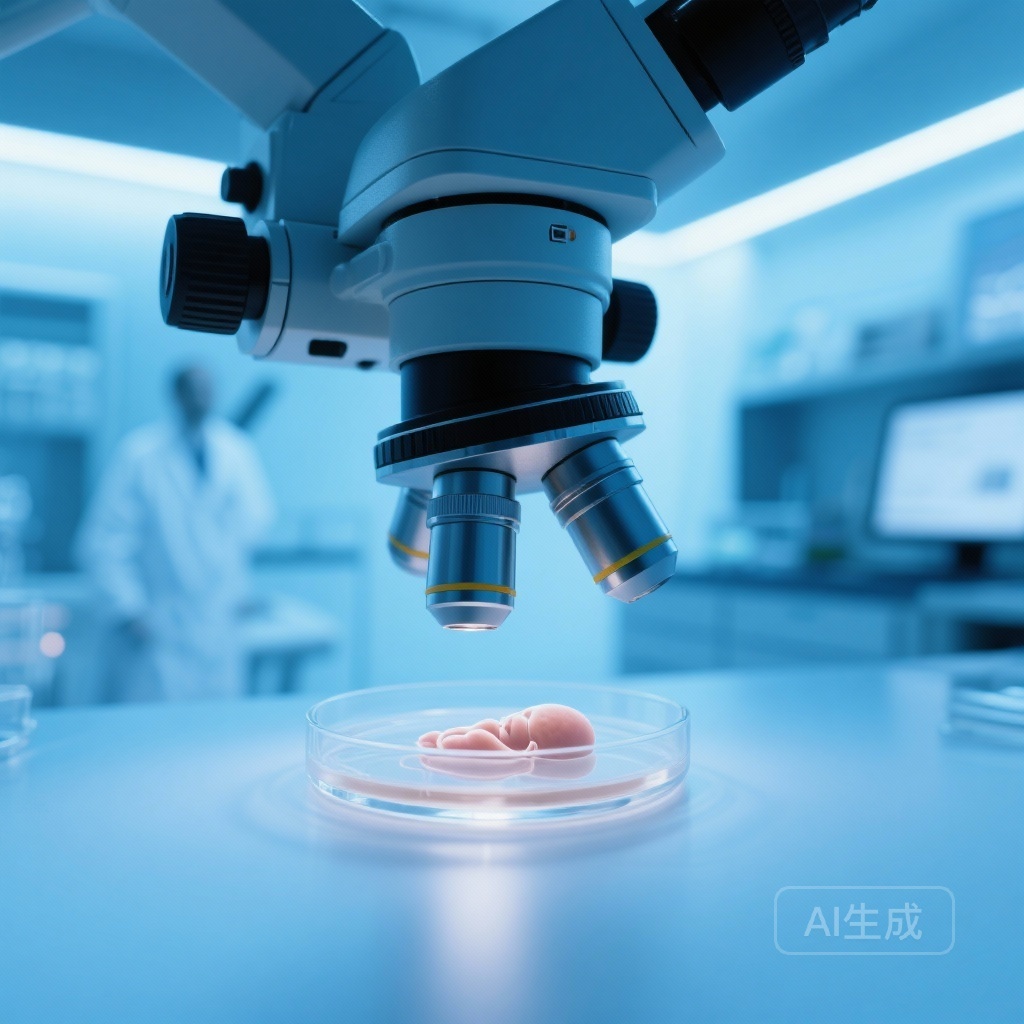
For decades, the primary benchmark of success in in vitro fertilization (IVF) was the live birth rate (LBR) per fresh embryo transfer. This metric, while useful, often failed to account for the total reproductive potential of a single ovarian stimulation cycle. With the advent of vitrification and the increasing shift toward frozen embryo transfers, the medical community has pivoted toward the cumulative live birth rate (CLBR) as the most comprehensive measure of clinical efficacy. CLBR includes births from both the fresh transfer and all subsequent frozen-thawed transfers derived from a single egg retrieval.
A central question for clinicians remains: what is the optimal number of oocytes to retrieve? While higher yields generally provide more embryos, they also raise concerns about ovarian hyperstimulation syndrome (OHSS) and potential declines in egg quality or endometrial receptivity. A new pooled analysis of four randomized controlled trials (RCTs) provides critical data on this relationship, specifically in the context of ovarian stimulation with follitropin delta.
Study Design and Methodology
This study, published in Human Reproduction (Lobo et al., 2025), is a pooled analysis involving 1,746 patients from four RCTs identified from the Ferring Pharmaceuticals database. The analysis focused on women aged 18 to 42 undergoing their first or second IVF/ICSI cycle. All participants received follitropin delta, a recombinant human follicle-stimulating hormone (rFSH) produced from a human cell line (PER.C6), which has a unique glycosylation profile compared to traditional rFSH preparations.
The protocols primarily utilized GnRH antagonists (94.2%), with a smaller subset using GnRH agonists (5.8%). Triggering was achieved with either hCG or a GnRH agonist. The primary outcome was the one-year CLBR, defined as the proportion of patients achieving at least one live birth from the fresh cycle or frozen cycles initiated within 12 months of stimulation. The researchers employed logistic regression with fractional polynomials to assess the association between the number of oocytes retrieved and the likelihood of a live birth.
The Oocyte-Birth Rate Relationship: A Plateau at 21–25
The median number of oocytes retrieved was 12.4, with a fresh cycle LBR of 29.1% and an overall CLBR of 51.4%. The data revealed a clear, positive correlation between the number of oocytes retrieved and the CLBR. Specifically, the CLBR reached above 60% when more than 15 oocytes were retrieved and exceeded 70% when the yield surpassed 20 oocytes.
Crucially, the study identified a plateau in CLBR starting at 21 to 25 oocytes. Unlike fresh cycle LBRs, which typically peak around 10 to 15 oocytes and then decline (often due to supra-physiological estrogen levels affecting endometrial receptivity), the CLBR continued to rise well into the 20s. This suggests that while a high oocyte yield may negatively impact the immediate fresh transfer environment, it significantly enhances the total reproductive chances by increasing the number of available blastocysts for subsequent frozen cycles.
Age-Specific Nuances: When More is Better
One of the most clinically significant findings of this analysis was the impact of maternal age on the oocyte-CLBR relationship. The researchers categorized patients into three age groups: under 35, 35 to 37, and 38 and older.
For patients under 38, the CLBR reached a high level relatively quickly. In women under 35, the rate was 72.5% with 15-19 oocytes and did not show a statistically significant increase beyond that point. However, in the older cohort (aged 38–42), the benefit of higher oocyte yields was more pronounced and persistent. In these patients, the predicted CLBR rose from 41.3% (at 15–19 oocytes) to 53.4% (at 20–24 oocytes) and reached 58.7% when 25 or more oocytes were retrieved.
This trend suggests that for older patients, the higher rate of aneuploidy necessitates a larger pool of oocytes to ensure the identification of at least one euploid embryo. For younger patients, the marginal gain of retrieving more than 15–20 oocytes is minimal, whereas for older patients, maximizing yield appears to be a valid strategy to improve cumulative success.
The Fresh Cycle Paradox
The study confirmed a well-known phenomenon in reproductive medicine: the divergence between fresh and frozen success in high responders. In this analysis, fresh cycle LBRs began to decrease once more than 14 oocytes were retrieved. This is likely due to the deleterious effects of high steroid levels on the endometrium, which can lead to asynchrony between the embryo and the uterine lining.
In contrast, the CLBR showed no such decline. This reinforces the “freeze-all” strategy for high responders. When a stimulation cycle yields a high number of oocytes (e.g., >15), the clinical priority should shift toward safety and maximizing the utility of the resulting embryos through vitrification and subsequent transfer in a more physiological uterine environment.
Expert Commentary and Clinical Implications
The use of follitropin delta is particularly relevant here because its dosing is often individualized based on a patient’s body weight and anti-Müllerian hormone (AMH) levels. This approach aims to optimize oocyte yield while minimizing the risk of OHSS. The finding that CLBR plateaus at 21–25 oocytes provides clinicians with a clear target for stimulation. While aiming for 10–15 oocytes might be ideal for a fresh transfer, aiming for 15–20 (or slightly more in older patients) appears to maximize the patient’s overall chance of taking home a baby from a single retrieval.
However, we must balance these findings with the risk of OHSS. Although follitropin delta is designed to provide a predictable response, retrieving more than 20 oocytes inherently increases the risk of complications. Clinicians must use their judgment to determine if the incremental gain in CLBR, particularly in older patients, outweighs the physiological burden of aggressive stimulation.
Conclusion
This pooled analysis provides robust evidence that the cumulative live birth rate following ovarian stimulation with follitropin delta increases with the number of oocytes retrieved, reaching a plateau at 21–25 oocytes. The benefit of higher yields is most significant in women aged 38 and older, who require more eggs to overcome age-related declines in embryo quality. For the modern fertility clinic, these results support a nuanced approach to ovarian stimulation: one that targets higher yields to maximize cumulative success while utilizing cryopreservation to bypass the limitations of the fresh cycle environment.
Funding and Disclosures
This study was funded by Ferring Pharmaceuticals A/S. Several authors reported receiving consulting fees or honoraria from Ferring and other pharmaceutical companies involved in reproductive medicine. The underlying data were derived from randomized controlled trials registered in the Ferring Pharmaceuticals database.
Reference:
Lobo R, Santos-Ribeiro S, Falahati A, Moley K, Pinborg A, Macklon NS, Jepsen IE. One-year cumulative live birth rate associated with the number of oocytes in ovarian stimulation with follitropin delta: a pooled analysis of four randomized controlled trials. Hum Reprod. 2025 Aug 1;40(8):1526-1534. doi: 10.1093/humrep/deaf111. PMID: 40505136; PMCID: PMC12314149.