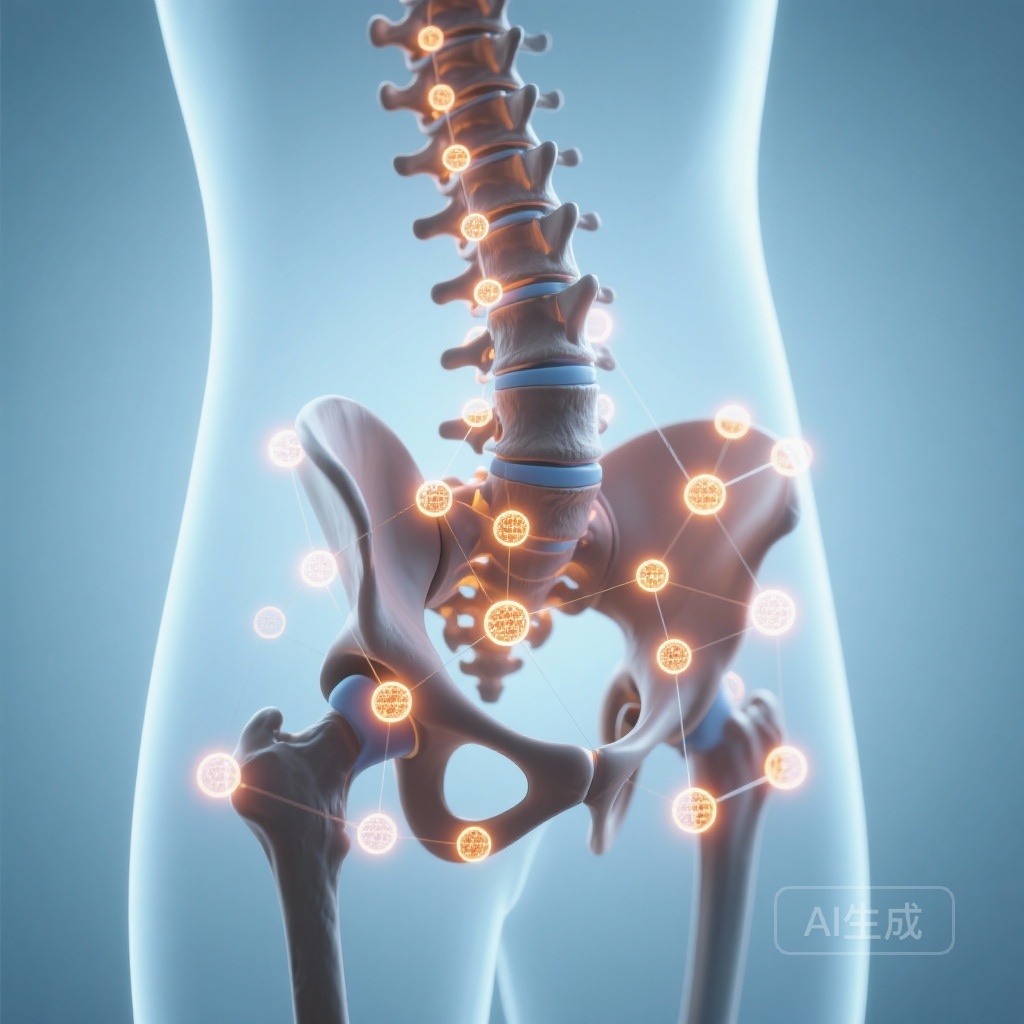
Highlights of the RESTORE 3-Year Follow-Up
The long-term results of the RESTORE trial provide a landmark shift in our understanding of chronic low back pain (LBP) management. The key highlights include:
- Cognitive Functional Therapy (CFT) demonstrated significant and sustained improvements in pain-related physical activity limitation compared to usual care at the 3-year mark.
- The addition of movement sensor biofeedback to CFT did not provide meaningful clinical advantages over CFT alone, suggesting the core therapeutic value lies in the cognitive and functional behavioral components.
- Unlike most LBP interventions that show diminishing returns over time, the effects of CFT remained clinically important three years after the initial intervention.
- These findings support the transition from traditional biomedical treatments toward individualized, biopsychosocially-oriented care models for chronic musculoskeletal conditions.
Addressing the Global Burden of Chronic Low Back Pain
Low back pain remains the leading cause of years lived with disability globally. Despite decades of research and a plethora of pharmacological, surgical, and physical interventions, the clinical outcomes for patients with chronic, disabling LBP have historically been modest and short-lived. Traditional care often focuses on structural pathologies—such as disc herniations or degenerative changes—frequently leading to a cycle of over-medicalization, including unnecessary imaging, opioid prescriptions, and invasive procedures that fail to address the underlying drivers of persistent pain.
Cognitive Functional Therapy (CFT) represents a paradigm shift. Rather than focusing solely on the physical structure of the spine, CFT is a person-centered approach that targets the complex interplay of physical, psychological, and lifestyle factors that contribute to the disability associated with pain. By helping patients make sense of their pain, develop confidence in movement, and address lifestyle factors like sleep and stress, CFT aims to empower patients to self-manage their condition.
Study Design: The RESTORE Trial Framework
The RESTORE trial was a randomized, controlled, three-arm parallel-group, phase 3 clinical trial conducted across 20 primary care physiotherapy clinics in Australia. The study initially demonstrated large effects at 12 months, and this 3-year follow-up sought to determine if those benefits were durable in the long term.
Participant Selection
The trial recruited 492 adults (aged 18 or older) suffering from low back pain for more than three months. Eligibility required at least moderate pain-related physical activity limitation and an average pain intensity of at least 4 on a 0–10 scale. This cohort represents the typical patient seen in primary care who is at risk of long-term work disability and diminished quality of life.
Intervention Protocols
Participants were randomly assigned to one of three groups:
- Usual Care: Participants received care from their preferred health professionals, reflecting real-world clinical practice.
- CFT Only: Participants received up to seven treatment sessions over 12 weeks, plus a booster session at 26 weeks. The therapy focused on three main pillars: making sense of pain, exposure with control (functional movement retraining), and lifestyle integration.
- CFT Plus Biofeedback: This group received the same CFT protocol but included the use of movement sensors to provide real-time visual feedback on spinal posture and movement patterns during functional tasks.
Significant Long-Term Findings at 3 Years
The 3-year follow-up achieved a high retention rate, with 312 participants (87% of those who consented to the long-term follow-up) completing the assessments. The primary outcome was pain-related physical activity limitation, measured by the Roland Morris Disability Questionnaire (RMDQ, 0–24 scale).
Primary Outcome: Physical Activity Limitation
At the 3-year mark, both CFT groups significantly outperformed usual care. The mean difference for CFT only versus usual care was -3.5 (95% CI -4.9 to -2.0). For the CFT plus biofeedback group, the mean difference was -4.1 (95% CI -5.6 to -2.6). These differences are not only statistically significant but exceed the threshold for clinical importance in this patient population.
Secondary Outcome: Pain Intensity
Pain intensity, measured by the numeric pain rating scale (0–10), also showed sustained improvements. CFT only showed a mean difference of -1.0 (95% CI -1.6 to -0.5) compared to usual care, while CFT plus biofeedback showed a mean difference of -1.5 (95% CI -2.1 to -0.9). These results indicate that the cognitive and behavioral changes instilled during the intervention led to a lasting reduction in the subjective experience of pain.
The Role of Movement Sensor Biofeedback
A notable finding of the RESTORE trial is that the addition of movement sensor biofeedback did not result in significantly better outcomes than CFT alone. The mean difference between the two CFT arms was small (-0.6 for disability and -0.5 for pain) and did not reach statistical significance. This suggests that while biofeedback might be a helpful tool for some clinicians or patients, the primary therapeutic driver is the CFT framework itself—specifically the behavioral coaching and cognitive reappraisal of pain.
Clinical Significance and Mechanistic Interpretation
The durability of the CFT effect is perhaps the most striking aspect of this study. In the landscape of chronic pain research, it is rare for a psychological or physical intervention to maintain such distinct advantages over usual care three years after the treatment has concluded. This suggests that CFT facilitates a fundamental shift in the patient’s relationship with their pain and their body.
Mechanistically, CFT works by reducing the threat value of pain. Patients are taught that pain does not always equal tissue damage and that the spine is a robust structure capable of movement. By gradually exposing patients to movements they previously feared or avoided, the therapy promotes neuroplastic changes and reduces the protective, guarded movement patterns that often perpetuate chronic LBP. The high level of self-efficacy achieved through the seven sessions and the 26-week booster appears to be the cornerstone of this long-term success.
Implementation and Future Directions
While the results are promising, the study authors emphasize that wide-scale implementation of CFT faces challenges. The intervention requires specialized training for physiotherapists to move beyond traditional manual therapy and exercise prescription into the realm of behavioral coaching and psychological screening. Scaling up clinician training is essential to make this evidence-based care accessible to the millions of people worldwide suffering from disabling back pain.
Furthermore, replication studies in different healthcare systems and diverse cultural contexts are needed to ensure the generalizability of these findings. However, the RESTORE trial provides a robust foundation for advocating for the inclusion of CFT-style approaches in clinical guidelines and health policy frameworks.
Conclusion
The 3-year follow-up of the RESTORE trial confirms that Cognitive Functional Therapy is a highly effective, durable intervention for chronic disabling low back pain. By addressing the multidimensional nature of pain, CFT offers a pathway toward significant long-term recovery that usual care currently fails to provide. For clinicians, these results represent a call to action to integrate biopsychosocial principles into routine musculoskeletal practice, prioritizing patient empowerment and functional restoration over passive, symptom-focused treatments.
Funding and Registration
This study was funded by the Australian National Health and Medical Research Council and Curtin University. The trial is registered with the Australian New Zealand Clinical Trials Registry (ACTRN12618001396213).
References
Hancock M, Smith A, O’Sullivan P, et al. Cognitive functional therapy with or without movement sensor biofeedback versus usual care for chronic, disabling low back pain (RESTORE): 3-year follow-up of a randomised, controlled trial. Lancet Rheumatol. 2025 Nov;7(11):e789-e798. doi: 10.1016/S2665-9913(25)00135-3.