Introduction: The Intersection of Obesity and Hypertension
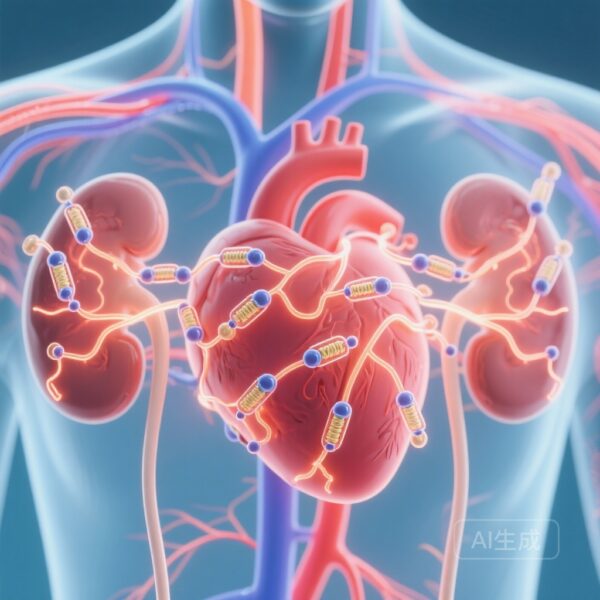
The global prevalence of obesity and hypertension continues to rise in tandem, creating a synergistic risk for cardiovascular disease, stroke, and chronic kidney disease. While lifestyle modifications remain the cornerstone of management, the physiological drivers of obesity-related hypertension—including sympathetic nervous system overactivation, renin-angiotensin-aldosterone system (RAAS) dysregulation, and physical compression of the kidneys—often necessitate pharmacological intervention. The advent of glucagon-like peptide-1 receptor agonists (GLP-1 RAs) has revolutionized obesity treatment, but the search for even more potent combinations that address metabolic and hemodynamic parameters simultaneously is ongoing. The REDEFINE 1 trial, evaluating the fixed-dose combination of semaglutide and cagrilintide (CagriSema), represents a pivotal step in this evolution. This analysis specifically looks at how this combination therapy impacts blood pressure, a critical metric for long-term cardiovascular outcomes.
The REDEFINE 1 Trial: Study Design and Methodology
REDEFINE 1 was a phase 3a, 68-week, randomized, double-blind, placebo-controlled, and active-controlled trial. The study enrolled 3,417 adults who were either overweight (BMI ≥27 kg/m2 with at least one weight-related comorbidity) or obese (BMI ≥30 kg/m2). Crucially, participants with type 2 diabetes were excluded to isolate the effects of the medication on weight and blood pressure without the confounding variable of glycemic control and insulin sensitivity fluctuations common in diabetic populations.
Randomization and Intervention
Participants were randomized into four distinct arms: CagriSema (2.4 mg semaglutide and 2.4 mg cagrilintide), semaglutide 2.4 mg monotherapy, cagrilintide 2.4 mg monotherapy, and a placebo group. All participants received a concomitant lifestyle intervention involving diet and exercise counseling. The primary objective of the broader REDEFINE 1 study was weight loss, but this specific secondary and post hoc analysis focused on the antihypertensive efficacy of the combination therapy compared to placebo and its individual components.
Comprehensive Blood Pressure Reductions: Primary and Secondary Findings
The results from the week 68 analysis reveal a profound and clinically significant reduction in blood pressure among those treated with CagriSema. The mean reduction in systolic blood pressure (SBP) for the CagriSema group was 10.9 mmHg, compared to a modest 2.8 mmHg in the placebo group. Diastolic blood pressure (DBP) followed a similar trend, with a reduction of 5.4 mmHg in the CagriSema arm versus 1.7 mmHg for placebo.
Target Achievement
These figures are particularly striking when compared to standard antihypertensive monotherapies, which typically yield an SBP reduction of 7 to 10 mmHg. The fact that a weight-loss medication can achieve these numbers suggests a dual mechanism of action that goes beyond mere caloric restriction. Furthermore, the proportion of participants achieving their blood pressure targets (defined by clinical guidelines) was nearly double in the CagriSema group (63.0%) compared to the placebo group (32.0%). This highlights the potential of CagriSema to move the needle for patients who remain sub-optimally controlled on standard regimens.
Efficacy in Resistant Hypertension and High-Risk Subgroups
One of the most noteworthy aspects of this analysis is the performance of CagriSema in participants with resistant hypertension. Resistant hypertension—defined as blood pressure that remains above target despite the use of three antihypertensive agents—poses a significant clinical challenge and is often associated with end-organ damage. In the REDEFINE 1 cohort, 167 participants met the criteria for resistant hypertension at baseline.Among this high-risk subgroup, 42.0% of those randomized to CagriSema reached their blood pressure targets at week 68, compared to 29.3% in the placebo group. While the odds ratio of 1.7 (95% CI, 0.7-4.4) did not reach traditional statistical significance due to the small sample size of this specific subgroup, the clinical directionality is highly encouraging. It suggests that CagriSema may provide an additional therapeutic pathway for patients who have traditionally been difficult to manage with conventional diuretics, ACE inhibitors, or calcium channel blockers.
Clinical Implications: Deprescribing and Polypharmacy Reduction
In modern medicine, the burden of polypharmacy is a growing concern, particularly for patients with metabolic syndrome who may be taking multiple pills for glucose, lipids, and blood pressure. The REDEFINE 1 trial provides compelling evidence for the potential of deprescribing.
Medication Down-Titration
Among participants who were using antihypertensive medications at the start of the study, 39.6% of those in the CagriSema group were able to either decrease the dosage or stop their blood pressure medications entirely by week 68. In contrast, only 18.8% of the placebo group achieved similar reductions. This finding is of immense value to clinicians and health policy experts, as it points toward a treatment model that simplifies medication regimens while improving overall cardiovascular health. Reducing the pill burden not only improves patient quality of life but also enhances long-term medication adherence.
Mechanistic Insights: Why the Combination Works
The synergistic effect of semaglutide and cagrilintide is central to these findings. Semaglutide, a GLP-1 RA, is known to promote weight loss through delayed gastric emptying and increased satiety. However, GLP-1 receptors are also present in the atrial myocardium and the vasculature, where they may promote natriuresis and vasodilation. Furthermore, weight loss itself reduces the mechanical compression of the kidneys by visceral fat, which in turn lowers the activation of the intrarenal RAAS.Cagrilintide, a long-acting amylin analog, complements this by acting on separate neuroendocrine pathways to further suppress appetite and improve glucose metabolism. Amylin analogs have also been shown to influence sympathetic outflow and peripheral resistance. When combined, these two agents likely reduce blood pressure through a combination of substantial weight loss (reducing mechanical strain and visceral fat-related inflammation) and direct effects on the cardiovascular and renal systems. The 10.9 mmHg drop in SBP is larger than what is typically seen with semaglutide monotherapy, suggesting cagrilintide provides an additive hemodynamic benefit.
Expert Commentary and Practical Limitations
Medical experts note that the BP-lowering effect of CagriSema appears to be greater than what would be predicted by weight loss alone. This weight-independent component of blood pressure reduction is a subject of intense research. However, clinicians must also remain vigilant regarding safety. While the trial showed significant benefits, the rapid reduction in blood pressure in patients already on multiple antihypertensives requires careful monitoring to avoid symptomatic hypotension or syncope during the titration phase.
Study Limitations
Furthermore, while the data for resistant hypertension is promising, the study was not primarily powered to assess this subgroup. Future trials specifically targeting resistant hypertension in the context of obesity are needed to confirm these findings. There is also the question of long-term sustainability; as with all obesity treatments, the maintenance of blood pressure benefits likely depends on long-term adherence to the medication. The generalizability to patients with severe renal impairment or those with very advanced heart failure also remains to be fully elucidated.
Conclusion: A New Paradigm in Metabolic-Cardiovascular Care
The REDEFINE 1 analysis positions CagriSema as a potent tool not just for weight management, but as a comprehensive cardiovascular risk-reduction therapy. By significantly lowering blood pressure and enabling the reduction of concomitant medications, CagriSema addresses the core components of metabolic syndrome. For clinicians, this means a shift toward more holistic treatment strategies where a single intervention can provide multi-organ benefits. As we move closer to the clinical availability of this combination, its role in the primary and secondary prevention of cardiovascular events will undoubtedly become a focal point of evidence-based practice.
Funding and Registration
The REDEFINE 1 trial was funded by Novo Nordisk. The trial is registered at clinicaltrials.gov with the unique identifier NCT05567796.
References
1. Verma S, Böttcher M, Brown P, Dicker D, Rubino D, Sbraccia P, Sharma AM, Smedegaard L, Sørrig R, Garvey WT. CagriSema Reduces Blood Pressure in Adults With Overweight or Obesity: REDEFINE 1. Hypertension. 2026 Feb;83(2):e26055. doi: 10.1161/HYPERTENSIONAHA.125.26055.
2. Knop FK, et al. The role of amylin and GLP-1 receptor agonists in obesity management. Lancet Diabetes Endocrinol. 2023.
3. Wilding JPH, et al. Once-Weekly Semaglutide in Adults with Overweight or Obesity. N Engl J Med. 2021;384(11):989-1001.