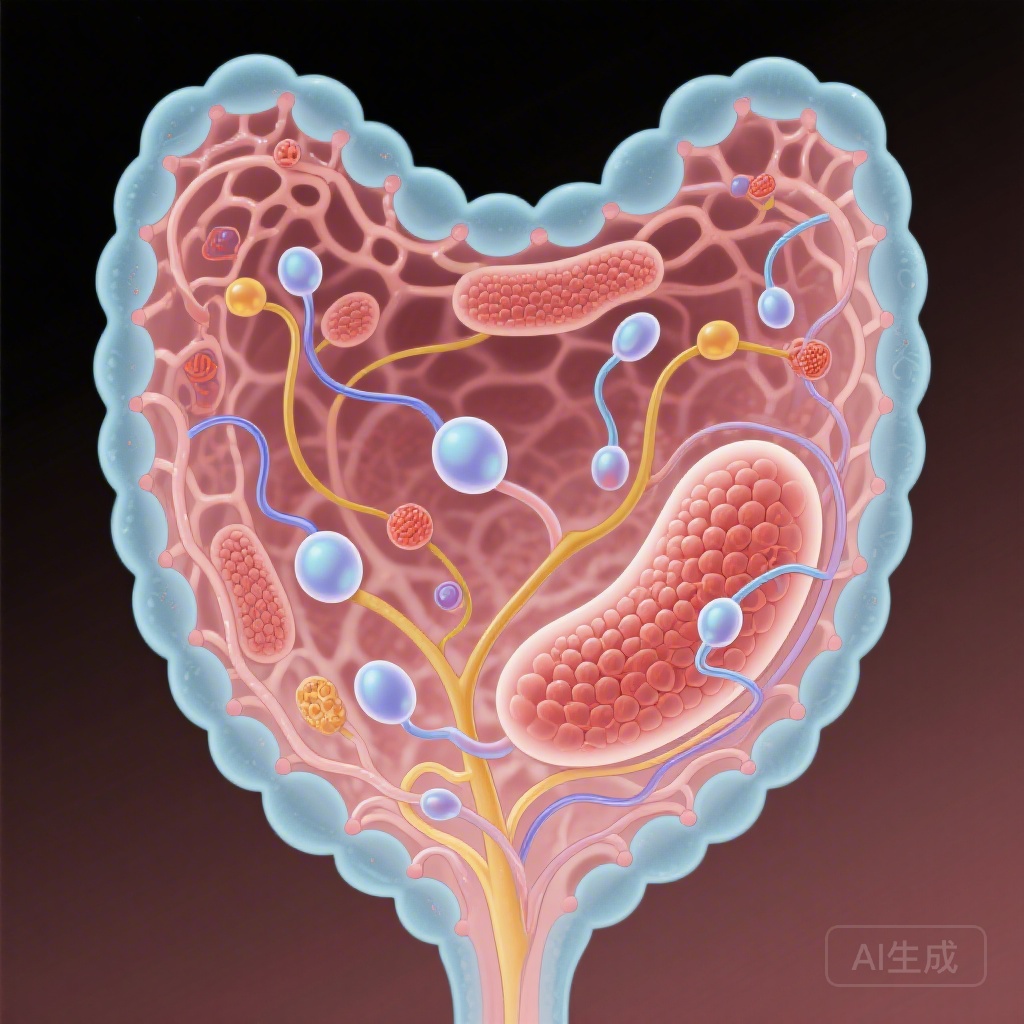
Understanding the Traditional Model of Thyroid Hormone Synthesis
For decades, the medical community has viewed thyroglobulin (TG) as the indispensable scaffold for the production of thyroid hormones. In the standard biological model, the thyroid gland captures iodine from the bloodstream and attaches it to tyrosine residues on the large thyroglobulin protein. This process, occurring within the lumen of thyroid follicles, eventually produces thyroxine (T4) and triiodothyronine (T3). Thyroglobulin is not just a precursor; it is the specialized warehouse and factory for these essential metabolic regulators. However, recent breakthroughs in genetic research and animal modeling are challenging the absolute necessity of TG in hormone synthesis, revealing a hidden, albeit inefficient, backup system that the body activates under extreme conditions.
The Genetic Prevalence of Thyroglobulin Mutations
Genetic mutations affecting thyroglobulin are more common than previously recognized. Heterozygosity—where an individual carries one mutated copy of the TG gene—is estimated to occur in approximately 1 out of every 217 people globally. In many cases, this results in subclinical hypothyroidism, a condition where hormone levels are slightly low but often escape routine medical detection because the body compensates. However, for those with biallelic mutations (carrying two copies of the mutant gene), the situation is far more severe. Without intervention, these individuals suffer from overt hypothyroidism. Curiously, some of these patients eventually achieve near-normal levels of circulating T4 and T3, but only after developing a massive goiter. This phenomenon has long puzzled endocrinologists: how can the body produce thyroid hormones when the primary protein required for their synthesis is absent or misfolded?
Investigating the Tg-KO Mouse Model
To solve this mystery, researchers engineered a specific strain of mice known as Tg-KO (Thyroglobulin Knock-Out). These mice completely lack the ability to express thyroglobulin protein, providing a perfect experimental environment to observe whether thyroid hormone synthesis can occur through alternative pathways. Using advanced immunoblotting methods, scientists tested for the presence of T4 and T3 within the thyroid tissue and the bloodstream. The study monitored these animals throughout their lives, focusing on the relationship between thyroid growth (goiter) and hormone levels.
The Role of Goiter in Survival
The findings were striking. Initially, the Tg-KO mice exhibited severe hormone deficiencies. However, as the animals aged and their thyroid glands grew into massive goiters, their circulating T4 levels began to normalize. This suggests that the goiter is not merely a symptom of the disease, but a compensatory mechanism. The massive enlargement of the gland provides a larger ‘surface area’ or a higher volume of cellular material to facilitate alternative hormone production. While T3 levels remained at about two-thirds of the normal range throughout the life of the mice, the normalization of T4 indicated that the body had found a way to bypass the need for thyroglobulin.
The Iodoproteome of Dead Thyrocytes
The most significant revelation of the study was the source of this alternative T4. Researchers discovered that when TG is absent, thyroid-stimulating hormone (TSH) levels skyrocket. This high TSH drives the iodination of other proteins—collectively called the ‘iodoproteome’—found in the ‘ghosts’ or remnants of dead thyrocytes. In a healthy thyroid, cell death is minimal, and TG does the heavy lifting. In the Tg-KO model, the massive stress on the gland leads to cellular turnover, and the iodine is forced onto whatever proteins are available in the follicular lumen. This process is incredibly inefficient compared to TG-mediated synthesis, which is why a massive goiter is required to produce enough hormone to sustain life.
Clinical Implications for Patients
This research has profound implications for the diagnosis and treatment of congenital hypothyroidism and TG-related disorders. It explains why some patients with severe genetic defects do not present with the expected total absence of hormones. Understanding that the body can use the iodoproteome of dead cells provides a new perspective on ‘thyroidal efficiency.’ For clinicians, this emphasizes the importance of monitoring TSH and thyroid volume in patients with TG mutations. It also suggests that while the body can adapt, the cost of this adaptation is the development of a goiter, which carries its own risks and complications.
Conclusion: A New Paradigm in Endocrinology
The discovery that thyroid hormone synthesis can occur without thyroglobulin marks a significant shift in our understanding of the endocrine system. It highlights the body’s remarkable plasticity and its ability to utilize ‘waste’ materials—like the proteins of dead cells—to maintain metabolic homeostasis. While thyroglobulin remains the gold standard for efficient hormone production, the existence of a secondary, TSH-driven pathway ensures a biological safety net. Future research will likely focus on whether this alternative pathway can be harnessed or optimized to help patients with genetic thyroid deficiencies without the need for the physical burden of a massive goiter.