Highlight
Evidence of Wall Stabilization
Atorvastatin treatment led to a significant reduction in quantitative MRI markers of wall enhancement, specifically the Wall Enhancement Index (WEI) and Wall Enhancement Volume Rate (WEVR), over a six-month period.
Systemic Anti-inflammatory Effects
Patients receiving statins showed a marked decrease in circulating plasma levels of pro-inflammatory cytokines, including C-reactive protein (CRP), TNF-α, IL-6, and IL-1β.
Stabilization of Intramural Hematoma
Beyond wall enhancement, atorvastatin therapy was associated with a slowed progression of intramural hematomas, providing a potential structural benefit in the management of dissecting aneurysms.
Introduction: The Challenge of Vertebrobasilar Dissecting Aneurysms
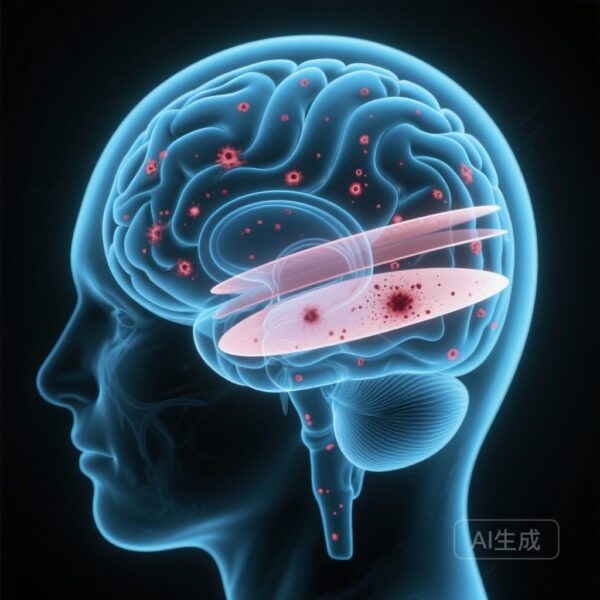
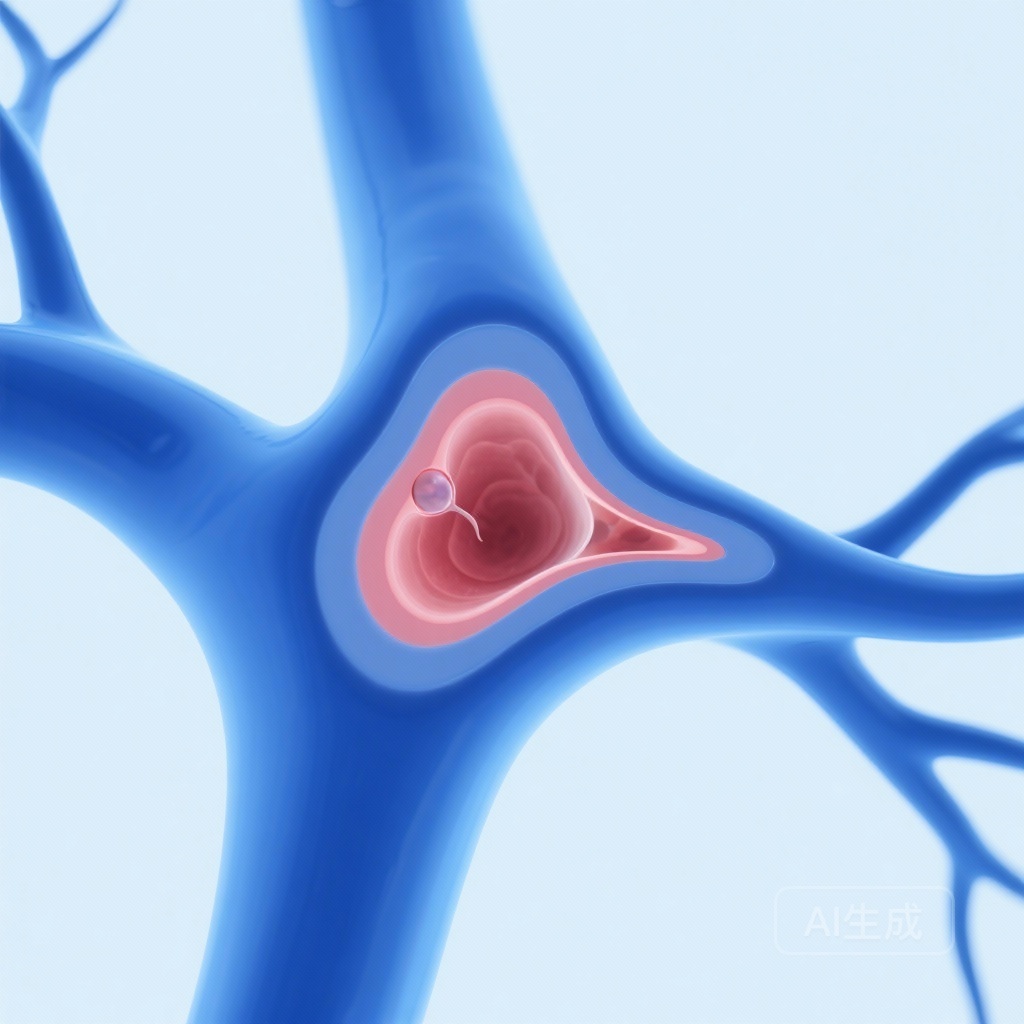
Vertebrobasilar dissecting aneurysms (VBDAs) represent a complex and high-risk subset of intracranial vascular pathologies. Characterized by a tear in the internal elastic lamina and subsequent intramural hemorrhage, VBDAs are a leading cause of subarachnoid hemorrhage and ischemic stroke, particularly in younger and middle-aged populations. Unlike saccular aneurysms, the pathophysiology of VBDAs involves a dynamic interplay of mechanical vessel wall failure and active inflammatory remodeling.
Historically, the management of unruptured VBDAs has been controversial, often oscillating between aggressive endovascular intervention and conservative observation. However, the emergence of vessel wall (VW) MRI has revolutionized our understanding of these lesions. Wall enhancement on VW MRI has been validated as a surrogate marker for active inflammation, macrophage infiltration, and neovascularization within the aneurysm wall, often signaling an increased risk of progression or rupture. While the pleiotropic anti-inflammatory effects of statins (HMG-CoA reductase inhibitors) have been well-documented in atherosclerosis and saccular aneurysms, their specific therapeutic efficacy in the context of dissecting aneurysms remained unexplored until now.
Study Design and Methodology
To address this evidence gap, Zhang and colleagues conducted an open-label, randomized controlled trial (ClinicalTrials.gov: NCT04943783) between July 2021 and January 2023. The study enrolled 40 participants with unruptured VBDAs. The cohort, with a mean age of 52 years and a male predominance (34 men), was randomized in a 1:1 ratio into two groups:
Intervention Group
Participants received a daily dose of 20 mg atorvastatin in addition to standard medical care.
Control Group
Participants received standard medical care without statin therapy.
The primary end points were changes in quantitative wall enhancement measured by the Wall Enhancement Index (WEI) and the three-dimensional Wall Enhancement Volume Rate (WEVR) using high-resolution VW MRI at baseline and at a 6-month follow-up. Secondary outcomes included changes in aneurysm morphology (size and geometry), intramural hematoma volume, and circulating inflammatory biomarkers.
Key Findings: A Comparative Analysis of Wall Enhancement
The results of the trial demonstrated a statistically significant and clinically relevant reduction in wall inflammation within the atorvastatin group compared to the control group.
Reduction in Quantitative Wall Enhancement
In the atorvastatin group, the Wall Enhancement Index (WEI) decreased significantly, with a mean change of -0.3. Conversely, the control group exhibited a slight increase in enhancement, with a mean change of 0.1 (P < .001). This divergence suggests that while VBDAs may naturally progress or maintain a state of chronic inflammation, statin therapy actively mitigates this biological process.
Similarly, the three-dimensional Wall Enhancement Volume Rate (WEVR) showed a drastic reduction of -15.1% in the statin group, whereas the control group experienced a 5.3% increase (P < .001). These findings provide robust quantitative evidence that atorvastatin can diminish the inflammatory burden within the vessel wall of a dissecting aneurysm.
Impact on Intramural Hematoma and Morphology
One of the most intriguing findings was the effect of statins on intramural hematoma (IMH) progression. The atorvastatin group showed a significantly slowed progression of IMH volume (304.0 mm³ vs. 100.3 mm³; P = .006). This suggests that the anti-inflammatory and potentially vasoprotective effects of statins may help stabilize the dissecting plane of the vessel wall. Interestingly, no significant change in the overall size of the aneurysms was detected in either group during the 6-month window, indicating that wall enhancement changes precede gross morphological alterations.
Secondary Outcomes: Systemic Inflammatory Markers
The researchers also evaluated the systemic impact of atorvastatin by measuring plasma levels of key cytokines. The atorvastatin group showed significant improvements in several inflammatory markers:
– C-reactive protein (CRP)
– Tumor necrosis factor α (TNF-α)
– Interleukin-6 (IL-6)
– Interleukin-1β (IL-1β)
All these markers improved significantly compared to the control group (all P < .05). This correlation between systemic biomarker reduction and localized vessel wall enhancement reduction reinforces the hypothesis that the therapeutic effect of statins is mediated through broad anti-inflammatory pathways.
Expert Commentary: Mechanistic Insights and Clinical Implications
The findings from this RCT are significant for several reasons. First, they validate the use of VW MRI as a sensitive tool for monitoring treatment response in intracranial aneurysms. The use of quantitative indices like WEI and WEVR provides a more objective measure than qualitative visual grading, which is prone to inter-observer variability.
From a mechanistic perspective, the reduction in wall enhancement likely reflects a decrease in macrophage recruitment and a stabilization of the vasa vasorum within the aneurysm wall. Statins are known to inhibit the mevalonate pathway, which not only lowers cholesterol but also reduces the prenylation of proteins involved in inflammatory signaling (e.g., Rho, Rac). In the context of a dissection, where the vessel wall is structurally compromised, reducing this inflammatory cascade may prevent further enzymatic degradation of the extracellular matrix, thereby lowering the risk of expansion or rupture.
However, clinicians must interpret these results within the context of the study’s limitations. The sample size (n=40) is relatively small, and the open-label design introduces potential bias. Furthermore, the 6-month follow-up period is sufficient to observe changes in enhancement but insufficient to determine if these changes translate into long-term reductions in stroke or rupture rates. Future multi-center trials with longer follow-up are required to establish statins as a standard of care for unruptured VBDAs.
Conclusion
This randomized controlled trial provides compelling evidence that 20 mg of daily atorvastatin can significantly reduce aneurysm wall enhancement and systemic inflammation in patients with unruptured vertebrobasilar dissecting aneurysms. By slowing the progression of intramural hematomas and reducing quantitative MRI markers of inflammation, statins offer a promising, non-invasive pharmacological strategy to stabilize these precarious lesions. For clinicians, these results suggest that statin therapy should be considered as a part of the medical management for VBDAs, particularly when VW MRI indicates active wall inflammation.
Funding and Registration
This study was registered at ClinicalTrials.gov (NCT04943783). The research was supported by institutional and national health research funds as detailed in the primary publication.
References
Zhang Y, Wang C, Dong L, et al. Statins Reduce Wall Enhancement at Vessel Wall MRI in Unruptured Vertebrobasilar Dissecting Aneurysms: A Randomized Controlled Trial. Radiology. 2025 Dec;317(3):e242806. doi: 10.1148/radiol.242806. PMID: 41432563.