Introduction: The Evolving Landscape of High-Risk Neuroblastoma
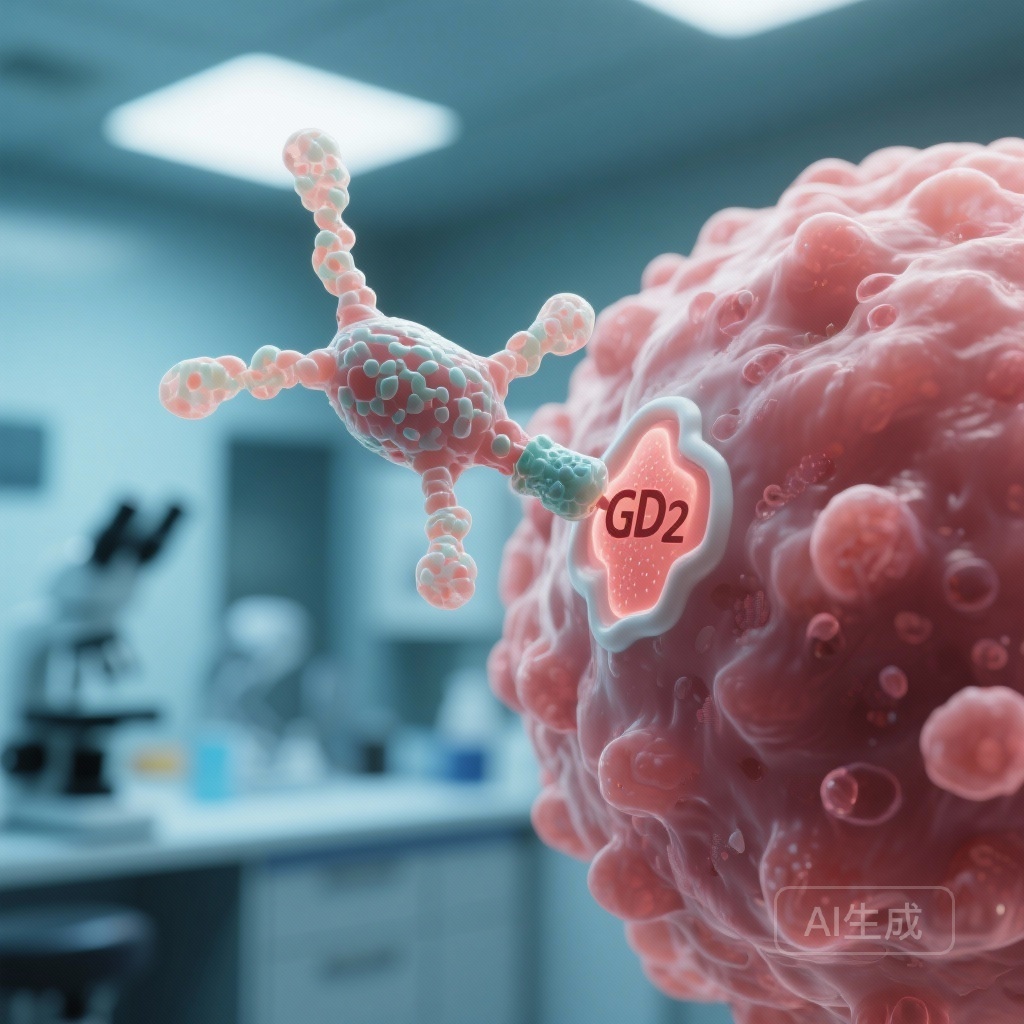
High-risk neuroblastoma (HR-NBL) continues to represent one of the most significant challenges in pediatric oncology, accounting for approximately 15% of all pediatric cancer deaths. Despite intensive multimodal therapy—including induction chemotherapy, surgical resection, high-dose chemotherapy with autologous stem cell rescue, and radiotherapy—long-term survival rates historically remained below 50%. The emergence of immunotherapy targeting the disialoganglioside GD2, which is nearly universally expressed on neuroblastoma cells, has fundamentally shifted the therapeutic paradigm. Among these agents, dinutuximab beta, a chimeric monoclonal antibody, has emerged as a critical component in both the consolidation and relapsed settings. Recent data from the ITCC-SIOPEN BEACON Immuno and HR-NBL1/SIOPEN trials provide definitive evidence for the clinical application of this agent, clarifying its synergy with chemotherapy and its optimal administration without adjuvant cytokines.
The BEACON Immuno Trial: Addressing Relapsed and Refractory Disease
Study Rationale and Design
Outcomes for children with relapsed or refractory high-risk neuroblastoma (RR-HR-NBL) have traditionally been dismal, with few standardized salvage regimens offering durable control. The BEACON Immuno trial (Phase II) investigated whether the addition of dinutuximab beta to a temozolomide-based chemotherapy backbone could improve objective response rates and survival. This trial utilized a complex factorial design, randomly assigning 65 patients in a 1:2 ratio to receive chemotherapy alone (temozolomide with or without topotecan) or chemotherapy combined with dinutuximab beta (10 mg/m2/day as a 7-day continuous infusion). The primary endpoint was the best objective response rate (ORR) during the first six cycles of treatment.
Efficacy and Survival Findings
The results of the BEACON Immuno trial demonstrate a clear clinical benefit for the inclusion of dinutuximab beta. The ORR was significantly higher in the dinutuximab beta arm at 30.2% compared to 18.2% in the chemotherapy-only arm. More strikingly, the survival data favored the immunotherapy combination. The median progression-free survival (PFS) for patients receiving dinutuximab beta was 11.1 months (95% CI, 4.3 to 15.5), whereas those receiving chemotherapy alone experienced a median PFS of only 3.8 months (95% CI, 1.9 to 7.9). Median overall survival (OS) also showed a marked improvement, reaching 25.7 months in the dinutuximab beta group compared to 17.1 months in the control group.
Safety and Neurotoxicity
The addition of dinutuximab beta was associated with a specific toxicity profile, most notably neurotoxicity. Grade 1 and 2 neurotoxicity occurred in 26% of the immunotherapy arm versus 9% in the control arm. However, grade 3 neurotoxicity remained rare (2.3%). Importantly, other systemic toxicities, including hematologic suppression and gastrointestinal distress, were comparable between the two groups, suggesting that dinutuximab beta does not significantly exacerbate the baseline toxicity of temozolomide-based chemotherapy.
The HR-NBL1/SIOPEN Trial: Defining Standard Consolidation
Interleukin-2: Benefit or Burden?
While the BEACON trial established the role of dinutuximab beta in the relapsed setting, the HR-NBL1/SIOPEN trial addressed a critical question in frontline consolidation: does the addition of subcutaneous Interleukin-2 (IL-2) enhance the efficacy of dinutuximab beta? Historically, IL-2 was used to stimulate natural killer (NK) cells to enhance antibody-dependent cellular cytotoxicity (ADCC). This phase 3 trial randomized 406 patients who had responded to standard induction and consolidation therapy to receive either dinutuximab beta alone or dinutuximab beta plus subcutaneous IL-2.
Trial Outcomes and Toxicity Analysis
The study found no evidence that IL-2 improved survival. The 3-year event-free survival (EFS) was 56% for dinutuximab beta alone and 60% for the combination group (p=0.76). However, the toxicity profile was significantly worse in the IL-2 arm. Patients receiving IL-2 experienced substantially higher rates of grade 3-4 adverse events, including fever (40% vs 14%), capillary leak syndrome (15% vs 4%), and severe immunotherapy-related pain (26% vs 16%). Furthermore, treatment compliance was much lower in the IL-2 group, with only 62% of patients completing the allocated treatment compared to 87% in the dinutuximab beta monotherapy group. These findings led to the conclusion that dinutuximab beta plus isotretinoin should be the standard of care, without the addition of subcutaneous IL-2.
Clinical Interpretation and Expert Commentary
Mechanistic Insights into Synergy
The success of dinutuximab beta in the BEACON trial highlights the potential for chemo-immunotherapy synergy. Chemotherapy may enhance the immunogenicity of the tumor or debulk the disease to a level where ADCC becomes more effective. Conversely, the failure of IL-2 in the HR-NBL1 trial suggests that the endogenous immune environment in children post-high-dose chemotherapy may not be sufficiently primed by exogenous IL-2, or that the toxicities of IL-2 necessitate treatment interruptions that offset any potential biological benefit.
Study Limitations and Considerations
While the BEACON trial results are promising, it is important to note the phase II nature and the small sample size (n=65). Additionally, the allowance of crossover in the BEACON trial (where 13 of 22 patients in the control arm eventually received dinutuximab beta after progression) may have diluted the observed difference in overall survival. In the HR-NBL1 trial, the use of a continuous infusion schedule for dinutuximab beta in subsequent iterations may further modulate the toxicity-efficacy balance, but the current consensus remains firmly against the use of IL-2 in this context.
Conclusion: A New Standard for Pediatric Practice
The integration of dinutuximab beta into the treatment algorithm for high-risk neuroblastoma represents a milestone in pediatric oncology. For patients with relapsed or refractory disease, the combination of dinutuximab beta with temozolomide-based chemotherapy significantly extends progression-free survival and should be considered a preferred salvage strategy. In the frontline consolidation setting, dinutuximab beta monotherapy (plus isotretinoin) provides equivalent survival outcomes to IL-2 combinations but with a far superior safety profile and higher quality of life for the patient. Future research will likely focus on moving these immunotherapy combinations even earlier into the induction phase and identifying biomarkers to predict which patients will derive the greatest benefit from GD2-targeted strategies.
Funding and Clinical Trial Information
The BEACON Immuno trial was supported by the ITCC and SIOPEN networks. The HR-NBL1/SIOPEN trial was funded by the European Commission 5th Framework Grant, St. Anna Kinderkrebsforschung, and Fondation ARC pour la recherche sur le Cancer. ClinicalTrials.gov identifiers: NCT01704716 (HR-NBL1) and relevant European trial registries for BEACON.
References
1. Gray JC, et al. Dinutuximab Beta Added to Temozolomide-Based Chemotherapy for Children With Relapsed and Refractory Neuroblastoma: Results of the ITCC-SIOPEN BEACON Immuno Phase II Trial. J Clin Oncol. 2026;44(3):176-187.
2. Ladenstein R, et al. Interleukin 2 with anti-GD2 antibody ch14.18/CHO (dinutuximab beta) in patients with high-risk neuroblastoma (HR-NBL1/SIOPEN): a multicentre, randomised, phase 3 trial. Lancet Oncol. 2018;19(12):1617-1629.