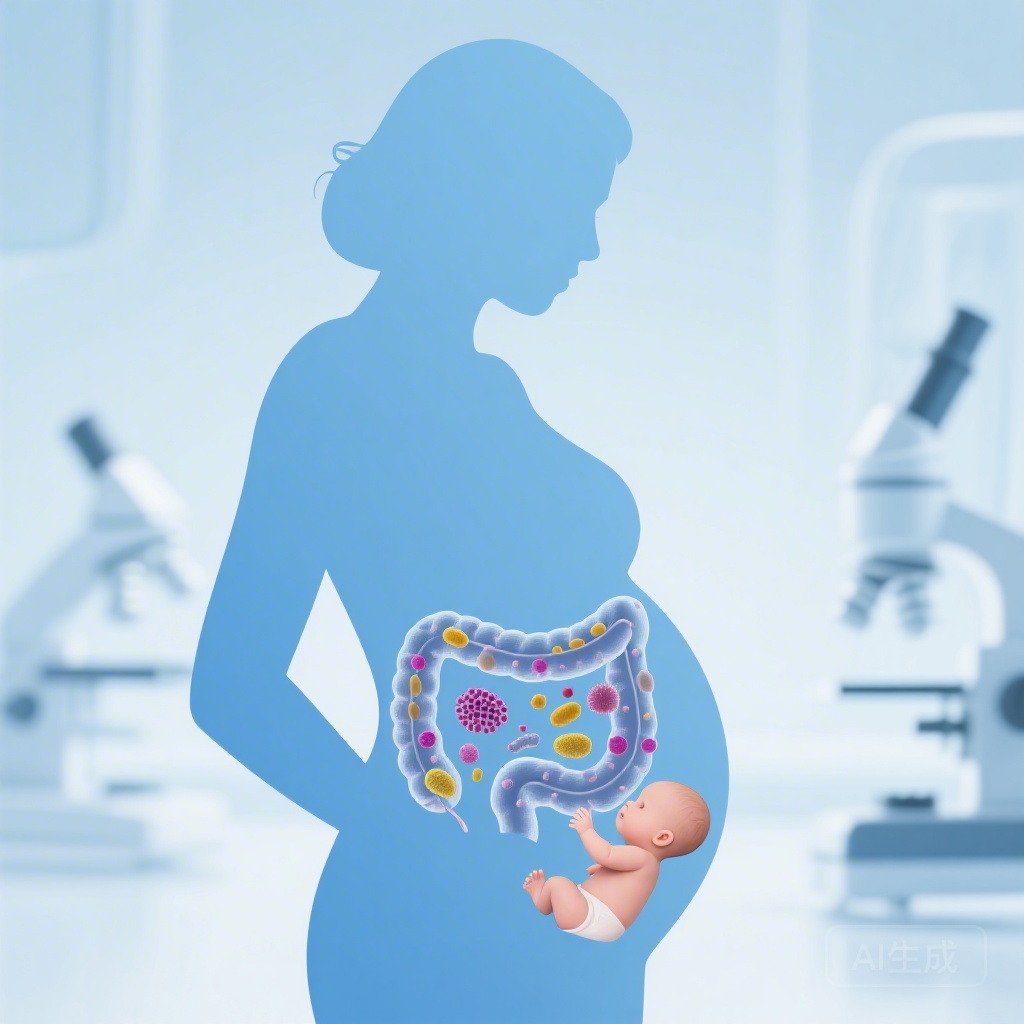
Introduction: The Quest for Primary Prevention in Atopy
Atopic dermatitis (AD) represents one of the most prevalent chronic inflammatory skin diseases in childhood, often serving as the initial step in the so-called atopic march toward asthma and allergic rhinitis. Despite advancements in topical and systemic therapies, the medical community remains focused on a primary goal: prevention. Emerging evidence has long suggested that the early-life gut microbiome plays a pivotal role in immune system maturation. This has led to the hypothesis that modulating the maternal or infant microbiota through prebiotics—non-digestible carbohydrates that stimulate the growth of beneficial bacteria—could induce immune tolerance and prevent allergic diseases.
While postnatal prebiotic supplementation has been studied extensively, the prenatal period is increasingly recognized as a critical window for immune priming. Preclinical models had previously indicated that maternal intake of galacto-oligosaccharide (GOS) and inulin could reduce the risk of food allergies in offspring. However, translating these findings into clinical practice requires rigorous human trials. The PREGRALL trial was designed to address this specific gap: can antenatal prebiotic intervention protect high-risk infants from developing atopic dermatitis?
Highlights
The following highlights summarize the core findings of the PREGRALL study:
- Maternal GOS/inulin supplementation starting at 20 weeks of gestation did not reduce the incidence of atopic dermatitis in high-risk infants at one year of age.
- The study found no significant differences in disease severity (SCORAD scores), quality of life, or the prevalence of other atopic conditions between the prebiotic and placebo groups.
- Subgroup analyses indicated that factors such as delivery mode and breastfeeding status did not alter the lack of efficacy of the prebiotic intervention.
- The trial underscores a significant discrepancy between successful preclinical (animal) models and human clinical outcomes in the context of prenatal immune modulation.
Study Design and Methodology
The PREGRALL trial was a multicenter, double-blind, randomized, placebo-controlled clinical trial conducted across several institutions in France from February 2018 to April 2023. The study targeted a specific high-risk population: pregnant women with a physician-diagnosed history of atopic disease, including asthma, allergic rhinitis, atopic dermatitis, or food allergy.
Intervention and Comparators
A total of 376 pregnant women were randomized at 20 weeks of amenorrhea. The intervention group (n = 188) received a daily supplement containing a specific blend of galacto-oligosaccharides (GOS) and inulin. The control group (n = 188) received a placebo consisting of maltodextrin. Supplementation continued from the 20th week of pregnancy until delivery.
Endpoints and Follow-up
The primary endpoint was the occurrence of physician-diagnosed atopic dermatitis in the children at 12 months of age. Secondary endpoints were comprehensive, including:
- Severity of AD assessed by the Scoring Atopic Dermatitis (SCORAD) index.
- Infant and maternal quality of life measures.
- Prevalence of food allergies and respiratory allergic symptoms.
- Allergen sensitization as measured by skin prick tests or specific IgE levels.
- Safety and tolerance of the prebiotic supplement in pregnant women.
Key Findings: No Protective Effect Observed
The results of the PREGRALL trial were definitive in their lack of support for the primary hypothesis. In the intention-to-treat (ITT) population, the occurrence of atopic dermatitis at one year of age was nearly identical between the two groups. Specifically, the odds ratio (OR) for the development of AD in the prebiotic group compared to the placebo group was 1.01 (95% CI 0.59–1.74; P = 0.97).
Disease Severity and Sensitization
Beyond the simple incidence of the disease, the researchers looked for any signal that prebiotics might at least mitigate the severity of AD. However, no such effect was found. The SCORAD scores, which measure the extent and intensity of skin lesions, showed no significant difference. Furthermore, the prevalence of sensitization to common food and environmental allergens was similar between the two groups, suggesting that the intervention did not influence the underlying IgE-mediated allergic pathways during the first year of life.
Subgroup and Safety Analysis
The researchers conducted various subgroup analyses to determine if specific populations might benefit more than others. They looked at the mode of delivery (vaginal vs. cesarean) and the duration of breastfeeding, both of which are known to influence infant gut colonization. Neither factor modified the primary outcome. On a positive note, the prebiotic supplement was well-tolerated by the pregnant women, with no significant differences in adverse events compared to the maltodextrin placebo.
Expert Commentary: Why the Disconnect?
The neutral results of the PREGRALL trial raise important questions for researchers in the field of immunology and allergy. Why did an intervention that showed such promise in preclinical studies fail in a well-designed human trial? Several factors may be at play.
Timing and Dosage
Some experts suggest that starting supplementation at 20 weeks’ gestation might be too late to fundamentally shift the maternal-fetal immune axis. The early second trimester is a period of rapid fetal immune development, and earlier intervention—perhaps even preconceptionally—might be required. Additionally, the specific dose and ratio of GOS/inulin used might not have been sufficient to induce the necessary changes in the maternal gut microbiome to influence the fetus via metabolic or epigenetic pathways.
The Complexity of the Human Microbiome
Human gut ecology is significantly more complex than that of laboratory animals. Factors such as diet, environmental exposures, and existing microbial diversity vary widely among human subjects, potentially diluting the effect of a single prebiotic intervention. Furthermore, while prebiotics promote the growth of beneficial bacteria, they do not introduce new species. If the mother lacks the foundational microbial species required to produce specific immunomodulatory metabolites (like short-chain fatty acids), prebiotics alone may be ineffective.
Atopic Dermatitis Phenotypes
Atopic dermatitis is a heterogeneous disease. It is possible that prebiotics only influence specific endotypes of AD—such as those driven strictly by early barrier dysfunction or specific cytokine pathways—which might not have been captured in this general high-risk cohort.
Conclusion: Re-evaluating Preventive Strategies
The PREGRALL trial provides high-quality evidence that maternal GOS/inulin supplementation during the latter half of pregnancy does not prevent atopic dermatitis in high-risk infants. While these results are disappointing for those seeking a simple nutritional intervention, they are vital for refining our approach to allergy prevention. The study confirms that we cannot directly extrapolate findings from animal models to human clinical practice without rigorous testing.
Future research may need to focus on synbiotics (combinations of prebiotics and probiotics) or more personalized microbial interventions based on the mother’s baseline microbiome profile. For now, clinical guidelines for the prevention of AD should continue to focus on established practices, such as the use of emollients and the early introduction of allergenic foods, rather than routine antenatal prebiotic supplementation.
Funding and Clinical Registration
The PREGRALL trial was supported by grants from the French Ministry of Health (PHRC-N 2016). The trial is registered at ClinicalTrials.gov under the identifier NCT03183440.
References
- Barbarot S, Aubert H, Boivin M, et al. Evaluation of antenatal prebiotic intake in infants at risk of atopy: the double-blind PREGRALL randomized clinical trial. Br J Dermatol. 2026;194(3):441-449. doi:10.1093/bjd/ljaf414.
- Hosea Blewett HJ, Cicalo MC, Holland CD, Field CJ. The health benefits of naive triglycerides and prebiotics in the prevention of atopic disease. Nutrients. 2019;11(7):1530.
- World Allergy Organization (WAO) guidelines for the prevention of allergy: Prebiotics. World Allergy Organ J. 2016;9:1.
- Boyle RJ, Ierodiakonou D, Khan T, et al. Diet during pregnancy and infancy and risk of allergic or autoimmune disease: A systematic review and meta-analysis. PLoS Med. 2018;15(4):e1002538.