The Intersection of Cardiovascular Health and Cancer Survivorship
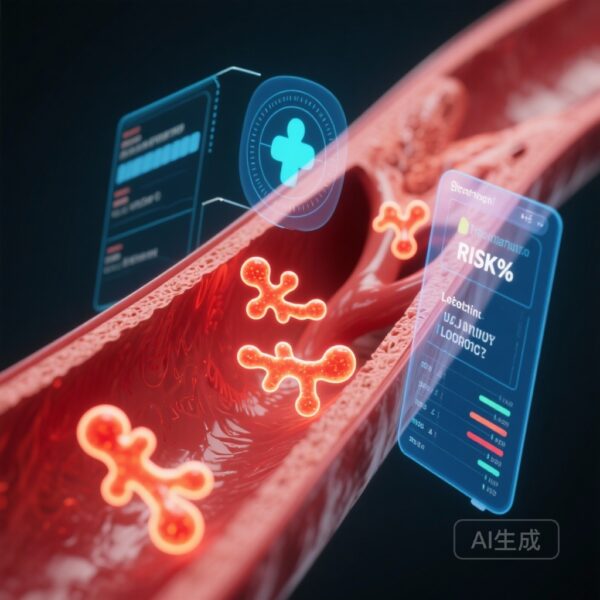
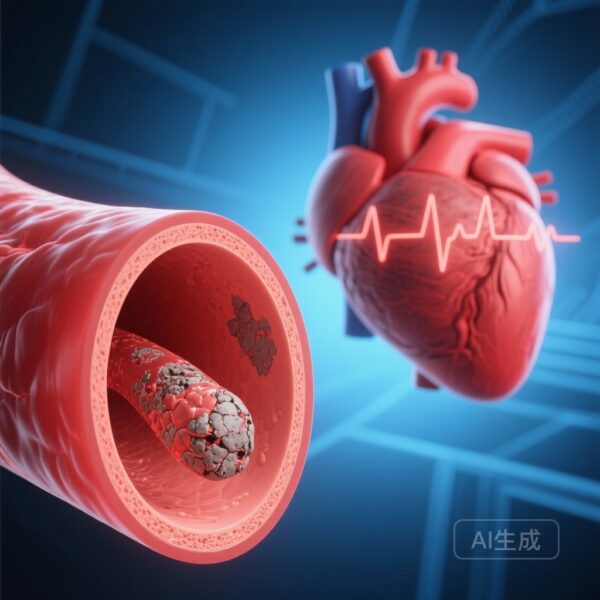
As advancements in early detection and therapeutic interventions continue to improve cancer survival rates, the medical community is increasingly focused on the long-term health trajectories of survivors. The success of oncology has created a burgeoning population of individuals who, while having overcome their primary malignancy, remain at heightened risk for secondary chronic conditions. Chief among these is cardiovascular disease (CVD), which shares several modifiable risk factors and biological pathways with various cancers. The concept of the ‘shared soil’ hypothesis suggests that common lifestyle behaviors and metabolic dysregulations—such as chronic inflammation, obesity, and poor nutrition—fuel the pathogenesis of both cardiovascular and oncological diseases.
In a landmark study published in the European Heart Journal, researchers investigated whether the American Heart Association’s (AHA) ‘Life’s Simple 7’ (LS7) metric, originally designed to assess and promote cardiovascular health, could also serve as a predictor of mortality outcomes among cancer survivors. The findings provide a compelling argument for the integration of cardiovascular health management into standard oncological follow-up care.
The Moli-sani Study: Design and Methodology
The research utilized data from the Moli-sani study, a large population-based cohort in the Molise region of Italy. The specific analysis focused on 779 cancer survivors who were followed for a median period of 14.6 years. This longitudinal approach allowed researchers to assess the long-term impact of cardiovascular health on mortality in a real-world setting.
The Life’s Simple 7 metric evaluates seven key health factors and behaviors:
1. Smoking Status
2. Physical Activity
3. Dietary Quality
4. Body Mass Index (BMI)
5. Blood Pressure
6. Total Cholesterol
7. Blood Glucose
Each component was scored, and participants were categorized based on their cumulative performance into three groups: poor cardiovascular health (scores 0-6), intermediate (7-9), and ideal (10-14). This standardized scoring system provided a clear framework for quantifying health status and its subsequent impact on survival.
Survival Benefits: A Quantitative Analysis
The primary results of the study were striking. Cancer survivors classified in the ‘ideal’ cardiovascular health category experienced a 38% lower risk of all-cause mortality compared to those in the ‘poor’ category (Hazard Ratio [HR] 0.62; 95% CI 0.41–0.94). This survival advantage was not limited to those with a history of cancer; a similar trend was observed in cancer-free participants, where ideal LS7 scores were associated with a 32% reduction in mortality risk.
Furthermore, the study highlighted a dose-response relationship. Each 1-unit increase in the total LS7 score was linked to a 10% reduction in cancer-specific mortality (HR 0.90; 95% CI 0.82–0.98). This suggests that even incremental improvements in cardiovascular health metrics—such as smoking cessation or better blood pressure management—can yield significant survival dividends for cancer survivors.
The Mediterranean Diet Paradigm
One of the most intriguing aspects of the study involved a sub-analysis where the original AHA dietary component of the LS7 was replaced with a Mediterranean Diet Score. Given that the Moli-sani cohort is based in Italy, the Mediterranean diet is a culturally and biologically relevant dietary pattern.
When the LS7 was adjusted to include the Mediterranean diet, the protective effects became even more pronounced across multiple mortality categories. The hazards for cardiovascular mortality (HR 0.84), cancer mortality (HR 0.90), and non-CVD/non-cancer mortality—including deaths from neurodegenerative, cerebrovascular, and respiratory diseases—were all significantly reduced (HR 0.83). This finding underscores the potential of plant-based, nutrient-dense dietary patterns to mitigate the broad spectrum of chronic disease risks that survivors face.
Mechanistic Insights: Inflammation and Vitamin D
To understand why cardiovascular health so strongly influences cancer survivorship, the researchers explored potential biological mediators. The analysis revealed that more than 50% of the association between the LS7 metric and mortality could be explained by three key factors: inflammatory markers (specifically C-reactive protein), resting heart rate, and serum vitamin D levels.
Inflammation as a Driver
Chronic low-grade inflammation is a hallmark of both cardiovascular aging and cancer progression. The LS7 components, particularly diet, exercise, and smoking, are potent modulators of systemic inflammation. By maintaining ideal scores, survivors likely suppress the pro-inflammatory environment that facilitates tumor recurrence and atherosclerotic progression.
The Role of Vitamin D
Vitamin D has long been recognized for its role in bone health, but its importance in cardio-oncology is becoming increasingly clear. Optimal vitamin D levels are associated with better endothelial function and immune regulation. The study suggests that the lifestyle factors captured by LS7 may help maintain adequate vitamin D status, which in turn serves as a protective buffer against mortality.
Clinical Implications for Cardio-Oncology
The results of the Moli-sani study have profound implications for clinical practice. Currently, oncology follow-up often focuses narrowly on tumor surveillance. However, these findings suggest that oncologists and primary care physicians should prioritize cardiovascular health as a core component of survivorship care plans.
Clinicians should consider the following actions based on this evidence:
1. Routine LS7 Assessment
Incorporate the Life’s Simple 7 (or the updated Life’s Essential 8) screening into annual survivor check-ups to identify individuals at high risk for non-cancer mortality.
2. Multidisciplinary Collaboration
Foster closer ties between oncology and cardiology departments (Cardio-Oncology) to manage cardiotoxicity from past treatments alongside traditional CVD risk factors.
3. Targeted Lifestyle Interventions
Promote the Mediterranean diet and regular physical activity not just as general health advice, but as evidence-based interventions specifically linked to reduced cancer mortality.
Study Limitations and Considerations
While the study provides robust longitudinal data, certain limitations must be acknowledged. As an observational study, it can establish associations but not definitive causality. Additionally, dietary and physical activity data were self-reported, which may introduce recall bias. The specific population (Italian residents) may also limit the generalizability of the dietary findings to regions where the Mediterranean diet is less prevalent, though the underlying principles of nutrient density remain universal.
Conclusion: A Unified Strategy for Survival
The Moli-sani study reinforces the idea that the heart and the tumor are not isolated entities. By focusing on the Life’s Simple 7—metrics originally intended for the cardiovascular system—we can significantly extend the lives of cancer survivors. This research shifts the focus from ‘curing the cancer’ to ‘healing the patient,’ advocating for a holistic, evidence-based approach to long-term health that addresses the shared biological foundations of chronic disease.
References
1. Bonaccio M, Di Castelnuovo A, Costanzo S, et al. Life’s Simple 7 score and cardiovascular health in cancer survivors: the Moli-sani study. Eur Heart J. 2025 Dec 16:ehaf838. doi: 10.1093/eurheartj/ehaf838.
2. Lloyd-Jones DM, Hong Y, Labarthe D, et al. Defining and setting national goals for cardiovascular health promotion and disease reduction: the American Heart Association’s strategic Impact Goal through 2020 and beyond. Circulation. 2010;121(4):586-613.
3. Koene RJ, Prizment AE, Blaes A, Konety SH. Shared Risk Factors in Cardiovascular Disease and Cancer. Circulation. 2016;133(11):1104-1114.