This study reveals that increased serum free thyroxine and insulin resistance-associated factors are linked to higher malignancy risk in thyroid nodules, suggesting a complex interplay between metabolic and hormonal factors in thyroid cancer development.
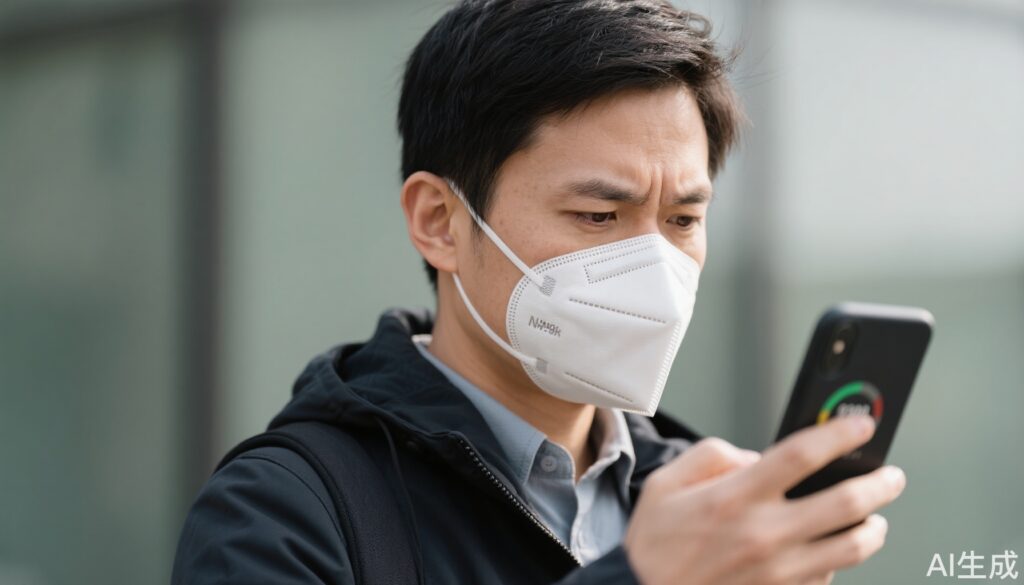
As air quality worsens, many seek clarity on using air purifiers and masks for PM2.5 protection. This article navigates common misconceptions, offers practical advice, and provides insights from experts on the best options available.
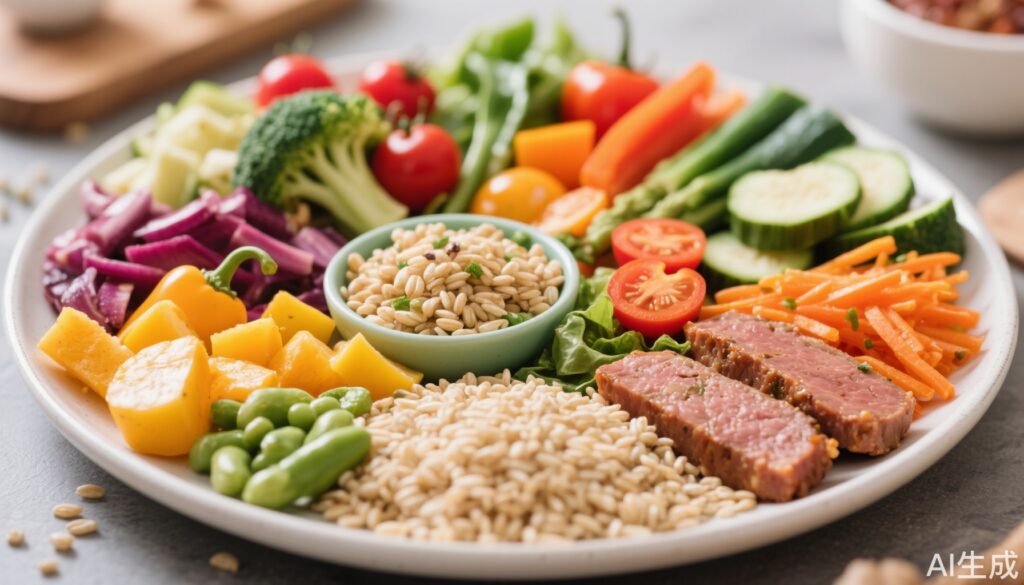
Exploring the rise of vegetarianism among youth, its health benefits, the taste and nutrition of plant-based meats, and how to ensure adequate protein and vitamin B12 in a vegan diet.
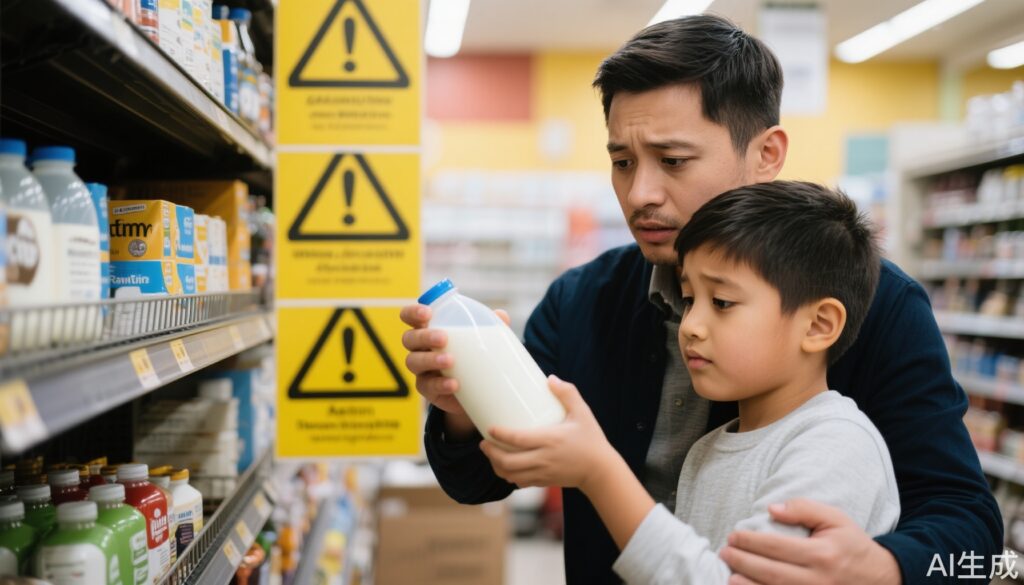
Exploring the push for 'natural' foods reveals potential health risks, particularly with raw milk consumption. This article examines the significance of pasteurization and the safety concerns surrounding foodborne illnesses.
Exploring the shift in vegetarian culture led by youth towards health and environmental benefits, addressing nutrient concerns like protein and vitamin B12.
As air quality declines, understanding how to protect ourselves from PM2.5 pollution through air purifiers and masks is critical. This article clarifies the choices, backed by scientific evidence and expert insights.
Vietnamese adolescents face notable mental health challenges amid growing social media influence. This article explores the alarming statistics, the stigma surrounding mental health, and the emerging role of social media in providing support.
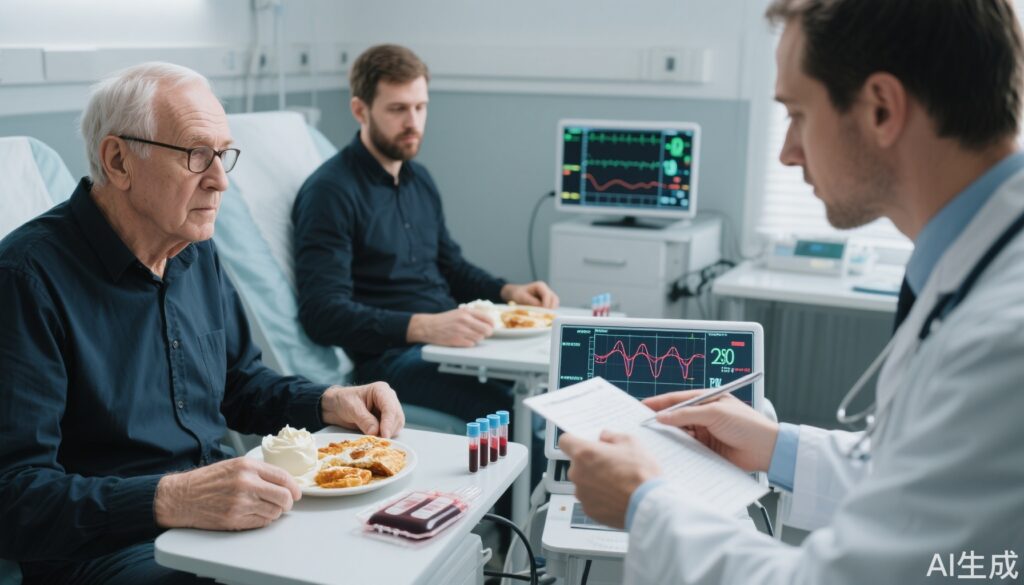
A controlled study from the University of New South Wales shows a single high‑fat meal (130 g fat) produces marked postprandial hypertriglyceridaemia and measurable declines in systemic endothelial function and dynamic cerebral autoregulation within 4 hours, effects magnified in older men.
Brief daily low-stakes exchanges—‘the clouds look like cotton candy’—build safety, activate reward circuits and sustain intimacy. Science explains why micro-connections matter and how clinicians and couples can use a 3‑minute practice to strengthen relationships.
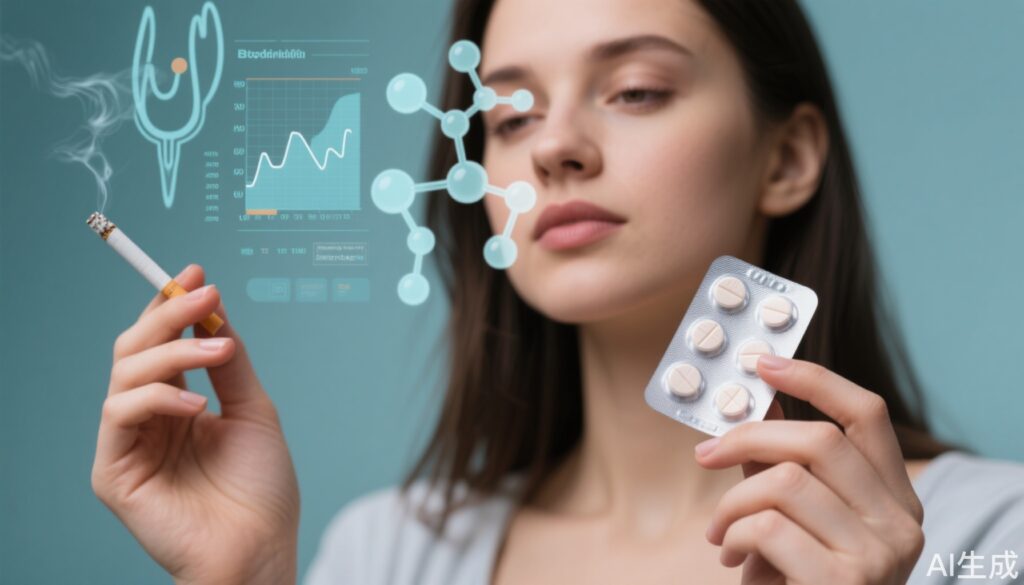
A large study shows oral contraceptives and smoking substantially alter steroid hormone profiles in healthy adults, with implications for disease risk, diagnostics, and treatment decisions.
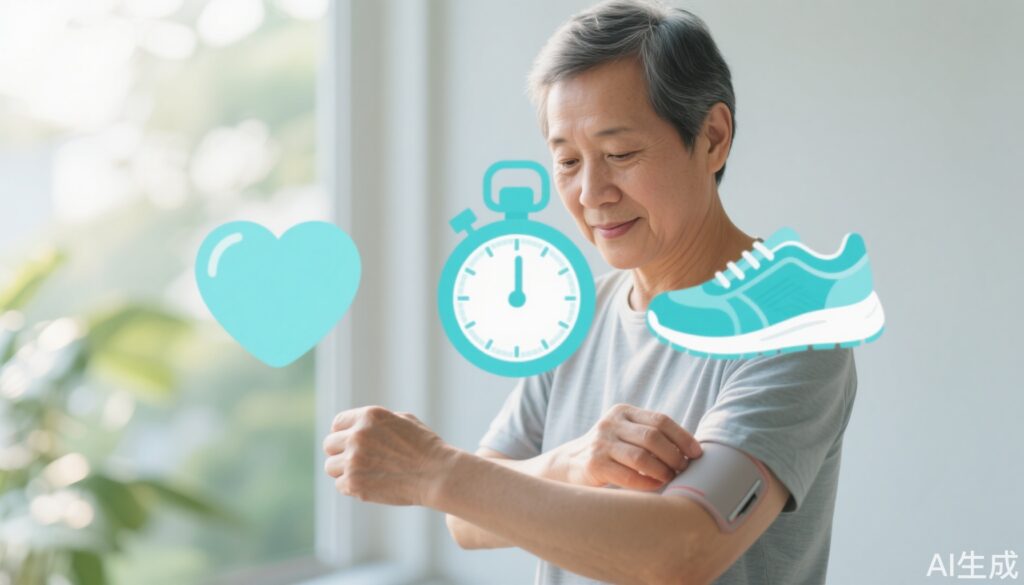
Resting heart rate is a simple vital sign tied to longevity and cardiovascular risk. Learn what rates are healthiest, why a lower resting heart rate often signals better fitness, how to safely lower it, and when a slow heart rate is a problem.
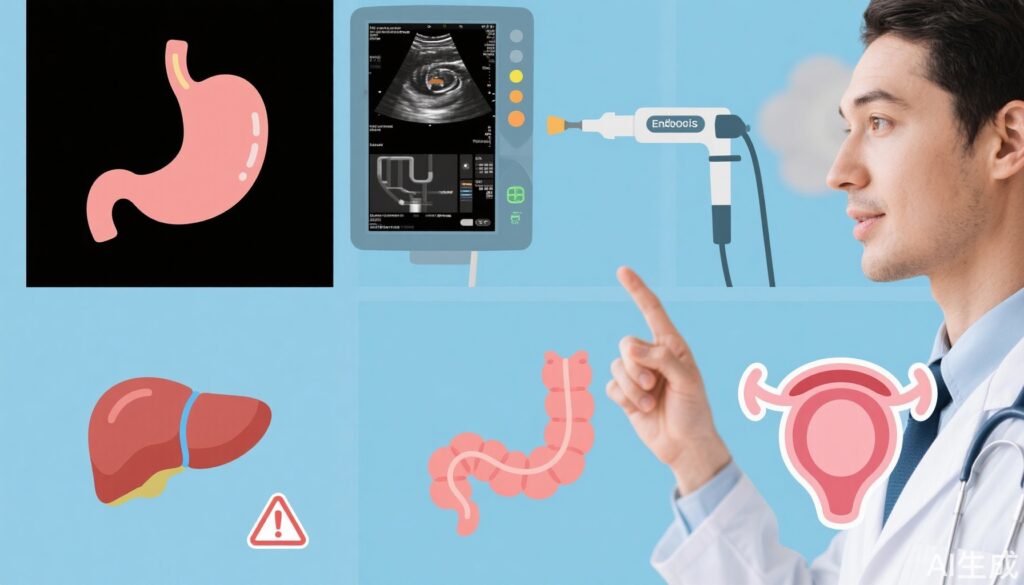
Many common disorders are actually precancerous. Learn the stages of cancer development, six precancerous conditions to watch, their risk factors, tests, and practical prevention and management steps.
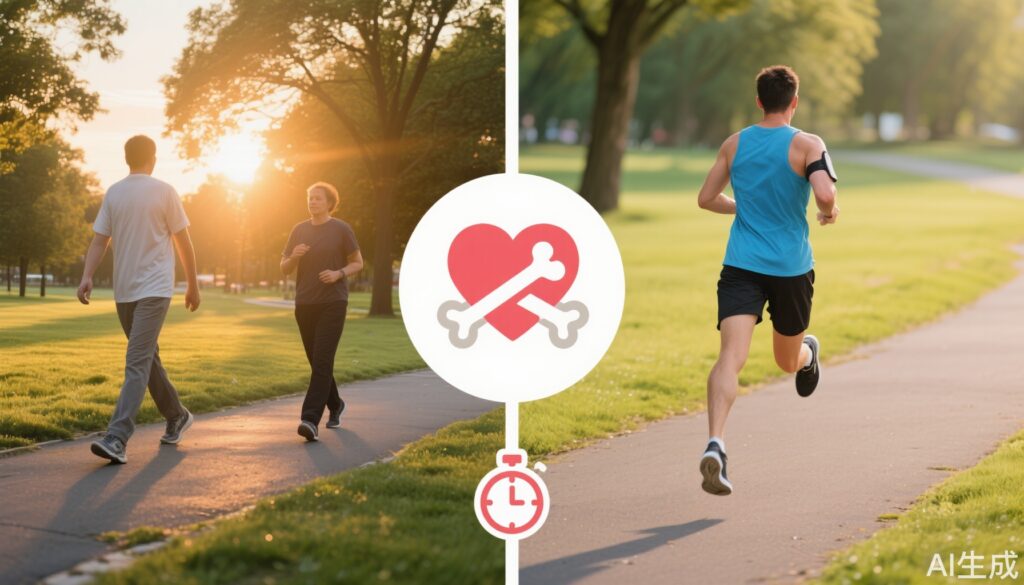
Walking and running the same distance deliver similar long-term health gains. Choice should depend on energy expenditure, body type, injury risk, and sustainability—because consistency matters more than speed.
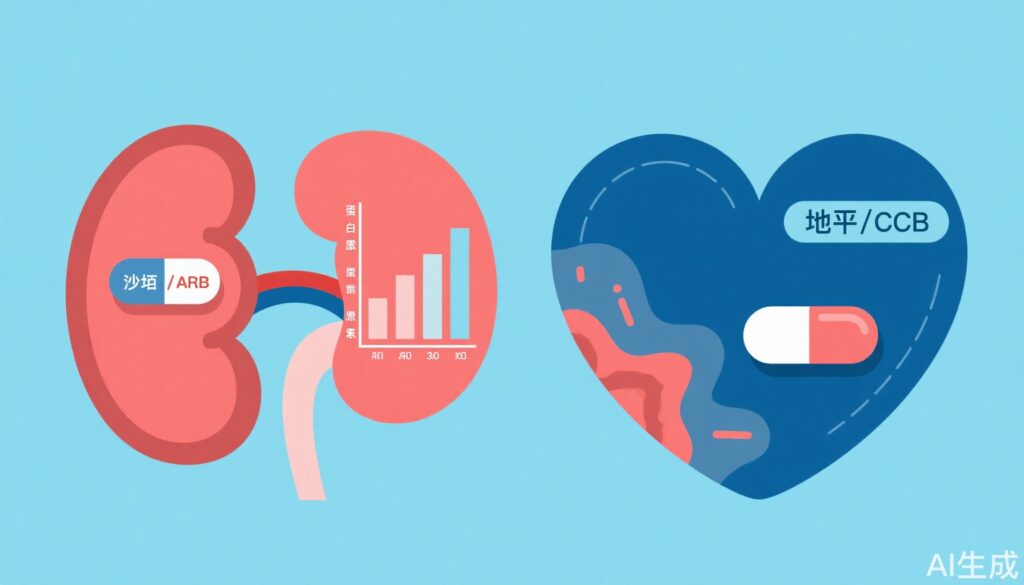
Comparative review of angiotensin receptor blockers (ARBs, “沙坦”) and dihydropyridine calcium‑channel blockers (DHP‑CCBs, “地平类”) focused on organ protection—kidney, heart and brain—and practical selection based on comorbidity and evidence.
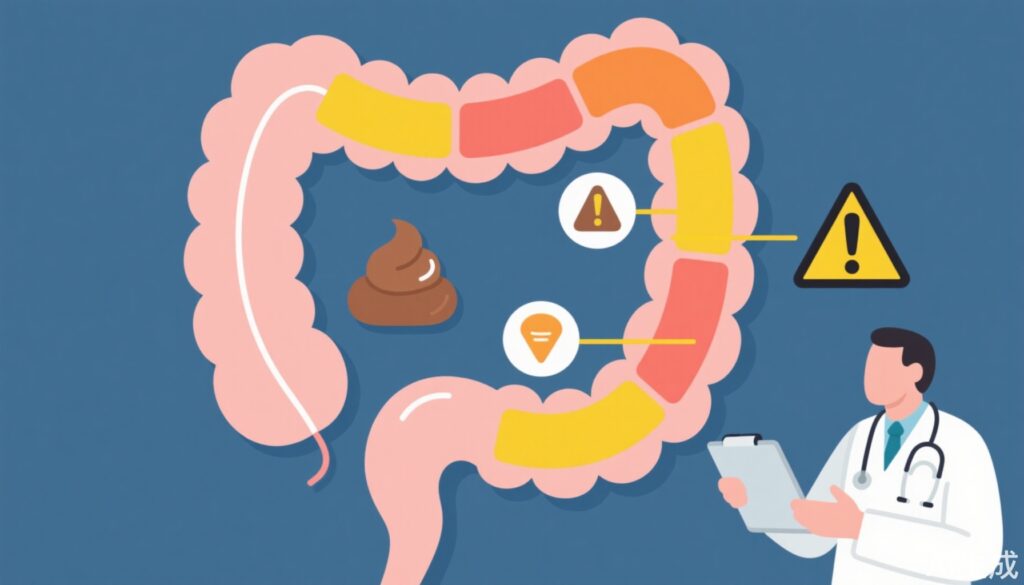
Colorectal cancer often shows subtle bowel changes early. Know the four warning signs—diarrhea, constipation, altered stool shape, and rectal bleeding—and when to seek screening and treatment.
Many strokes begin with strange, sudden sensations. Survivors describe fatigue, dizziness, confusion, sudden weakness and falls. Learn what these experiences mean, the science behind them, how to spot danger fast, and practical steps to reduce your risk.
A 60-year-old man developed bromide toxicity after replacing dietary NaCl with NaBr based on ChatGPT guidance; the case highlights laboratory interference, diagnostic pitfalls, clinical management, and risks of decontextualized AI health advice.
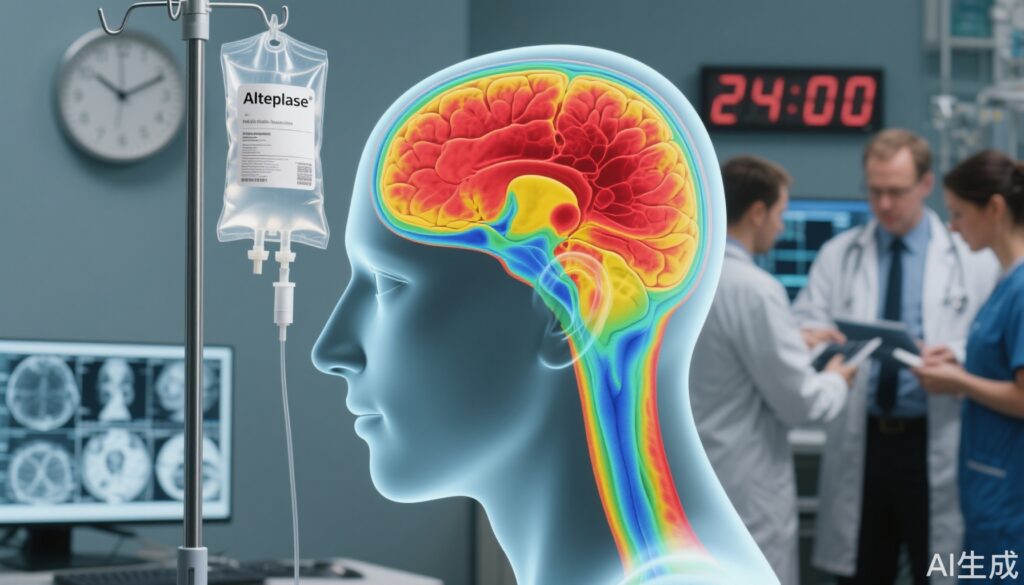
The HOPE randomized trial shows that CT‑perfusion–selected patients treated with intravenous alteplase at 4.5–24 hours (no planned thrombectomy) had higher 90‑day functional independence (40.3% vs 26.3%), with increased symptomatic intracranial hemorrhage but no higher mortality.
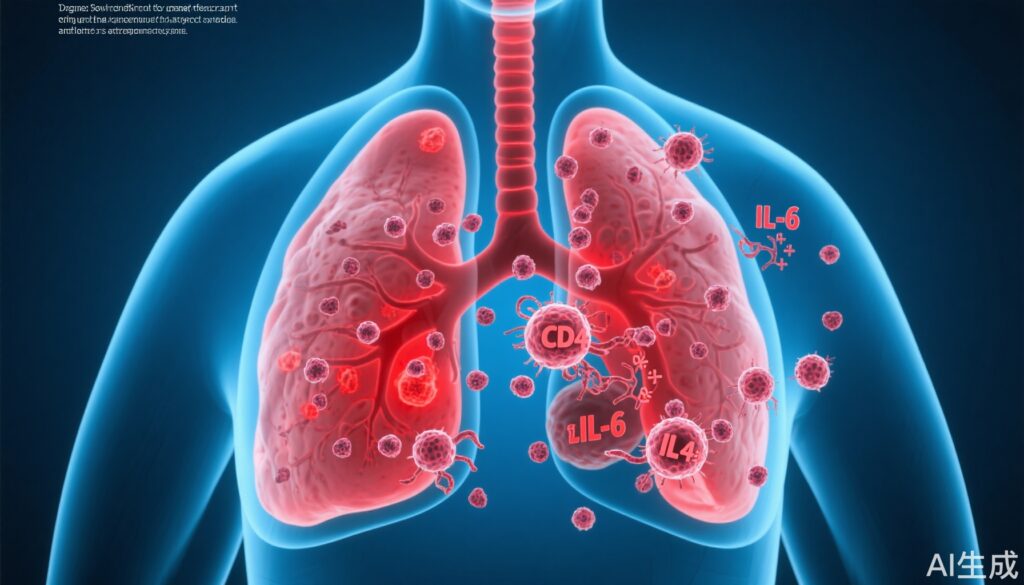
A Nature paper shows influenza and SARS‑CoV‑2 lung infections can reactivate dormant disseminated breast cancer cells (DCCs) via IL‑6 and CD4+ T‑cell–mediated mechanisms, with concordant human data linking SARS‑CoV‑2 infection to higher cancer‑related mortality and pulmonary metastasis risk.