
Skip to content
medxy logo Medxy AI
  • Specialties
    • Allergy & Immunology
    • Anesthesiology
    • Cardiology
    • Critical Care
    • Dermatology
    • Diabetes & Endocrinology
    • Emergency Medicine
    • Family Medicine & Nutrition
    • Gastroenterology
    • General Surgery
    • Hematology-Oncology
    • HIV/AIDS
    • Infectious Diseases
    • Internal Medicine
    • Nephrology
    • Neurology
    • Nursing & care
    • OB/GYN & Women’s Health
    • Oncology
    • Ophthalmology
    • Orthopedics
    • Otorhinolaryngology
    • Pathology & Lab Medicine
    • Pediatrics
    • Plastic Surgery
    • Psychiatry
    • Public Health
    • Radiology
    • Respiratory
    • Rheumatology
    • Urology
  • Clinical Updates
  • Medical News
  • iDoctor
  • Specialties
    • Allergy & Immunology
    • Anesthesiology
    • Cardiology
    • Critical Care
    • Dermatology
    • Diabetes & Endocrinology
    • Emergency Medicine
    • Family Medicine & Nutrition
    • Gastroenterology
    • General Surgery
    • Hematology-Oncology
    • HIV/AIDS
    • Infectious Diseases
    • Internal Medicine
    • Nephrology
    • Neurology
    • Nursing & care
    • OB/GYN & Women’s Health
    • Oncology
    • Ophthalmology
    • Orthopedics
    • Otorhinolaryngology
    • Pathology & Lab Medicine
    • Pediatrics
    • Plastic Surgery
    • Psychiatry
    • Public Health
    • Radiology
    • Respiratory
    • Rheumatology
    • Urology
  • Clinical Updates
  • Medical News
  • iDoctor
  • facebook.com
  • twitter.com
  • t.me
  • instagram.com
  • youtube.com
Subscribe
  • Home
  • Device-Related Complications
Long-Term Safety of Subcutaneous vs. Transvenous ICDs: Results from the PRAETORIAN-XL Trial
Posted inCardiology Specialties

Long-Term Safety of Subcutaneous vs. Transvenous ICDs: Results from the PRAETORIAN-XL Trial

Posted by MedXY By MedXY 08/17/2025
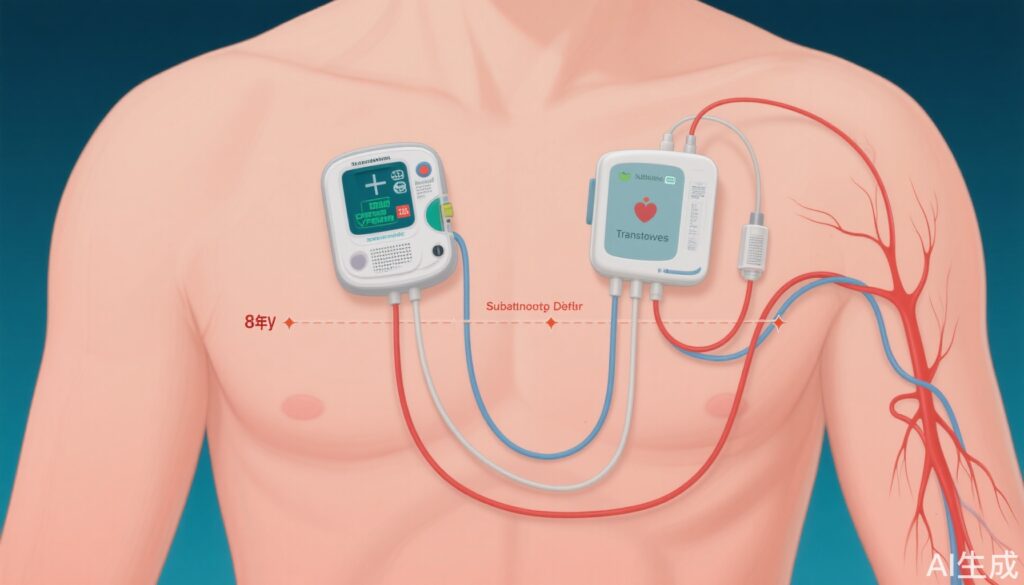
The PRAETORIAN-XL trial shows subcutaneous ICDs have fewer major and lead-related complications than transvenous ICDs over 8 years, suggesting S-ICD as a safer option for patients without pacing needs.
Read More
  • Optimizing Post-Operative Outcomes: The Critical Impact of Specialist Cardiology Evaluation in Peri-operative Myocardial Infarction and Injury
  • IVUS Guidance Slashes 1-Year Target Vessel Failure in Complex Bifurcation PCI: Insights from DKCRUSH VIII
  • Mid-Regional Pro-Adrenomedullin (MR-proADM): A Superior Prognostic Sentinel in Transthyretin Cardiac Amyloidosis
  • Optimizing the Synergy: Sequential vs. Concurrent Radiotherapy and Immunotherapy in Advanced Non-Small Cell Lung Cancer
  • Beyond the Backpressure: Targeting the Integrin αV-YAP-CTGF Axis to Halt Fibrosis in Congestive Hepatopathy
  • About us
  • Contact us
  • MedXY story
  • Privacy Policy
  • Subscribe Now!
  • 账号

  • English
  • 日本語
  • Tiếng Việt
  • 中文

Alzheimer's disease artificial intelligence atrial fibrillation biomarkers breast cancer Cardiology cardiovascular disease cardiovascular health cardiovascular risk chronic kidney disease clinical trial clinical trials critical care depression diabetes epidemiology exercise health heart failure Hypertension immunotherapy inflammation MASLD mental health metformin Mortality nutrition obesity older adults oncology Pediatrics Physical Activity precision medicine Pregnancy prevention prostate cancer public health randomized clinical trial randomized trial SGLT2 inhibitors stroke targeted therapy type 2 diabetes weight loss women's health

Your health, we care

Copyright 2026 — Medxy AI. All rights reserved.
Scroll to Top
Sign in