Myocardial Infarction and Late-Onset Epilepsy: Unraveling Bidirectional Vascular Risks in Aging Populations

Myocardial Infarction and Late-Onset Epilepsy: Unraveling Bidirectional Vascular Risks in Aging Populations

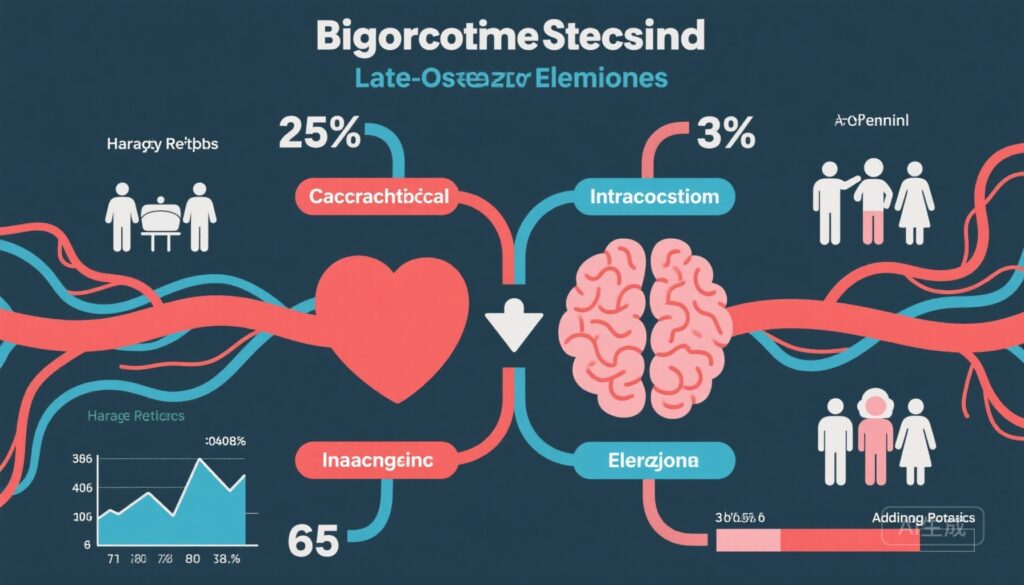
Emerging cohort evidence reveals myocardial infarction significantly elevates late-onset epilepsy risk, with late-onset epilepsy also predicting subsequent myocardial infarction and vascular mortality, underscoring shared systemic vascular pathology and implications for integrated vascular risk management.
No Routine Benefit from Beta‑Blockers After Myocardial Infarction with Preserved Ejection Fraction: Individual‑Patient Meta‑analysis of Five Randomized Trials

No Routine Benefit from Beta‑Blockers After Myocardial Infarction with Preserved Ejection Fraction: Individual‑Patient Meta‑analysis of Five Randomized Trials

An individual‑patient meta‑analysis of five randomized trials (n=17,801) found that beta‑blocker therapy did not reduce death, recurrent MI, or heart failure in patients with recent myocardial infarction and LVEF ≥50% without other indications for beta blockade.
Sustained Benefits of Physiology-Guided Complete Revascularization in Elderly Myocardial Infarction Patients: Insights from the FIRE Trial Three-Year Follow-Up

Sustained Benefits of Physiology-Guided Complete Revascularization in Elderly Myocardial Infarction Patients: Insights from the FIRE Trial Three-Year Follow-Up

The FIRE randomized clinical trial demonstrates that physiology-guided complete revascularization in patients aged 75 and older with myocardial infarction and multivessel disease maintains significant reductions in death, MI, stroke, and heart failure hospitalizations over a three-year follow-up, outperforming culprit-only treatment.
Multidomain Rehabilitation Reduces Cardiovascular Events in Older Adults Post-Myocardial Infarction: Insights from the PIpELINe Trial

Multidomain Rehabilitation Reduces Cardiovascular Events in Older Adults Post-Myocardial Infarction: Insights from the PIpELINe Trial

A multidomain rehabilitation program combining cardiovascular risk control, dietary counseling, and exercise significantly lowers the risk of cardiovascular death or unplanned hospitalization within one year in older myocardial infarction survivors with impaired physical performance.
Reevaluating Beta-Blocker Therapy Post-Myocardial Infarction with Preserved Ejection Fraction: Insights from Recent Trials and Meta-Analyses

Reevaluating Beta-Blocker Therapy Post-Myocardial Infarction with Preserved Ejection Fraction: Insights from Recent Trials and Meta-Analyses

Recent evidence challenges the routine use of long-term beta-blockers after myocardial infarction in patients with preserved ejection fraction, highlighting comparable outcomes with or without therapy and raising safety and efficacy considerations in contemporary practice.
Safety of Beta Blocker Withdrawal After Myocardial Infarction Without Reduced Ejection Fraction: Insights from the REBOOT Trial Post Hoc Analysis

Safety of Beta Blocker Withdrawal After Myocardial Infarction Without Reduced Ejection Fraction: Insights from the REBOOT Trial Post Hoc Analysis

Post hoc analysis of the REBOOT trial shows that withholding or withdrawing beta blockers after myocardial infarction in patients with preserved LVEF (>40%) does not increase short-term or recurrent ischaemic events, challenging current universal beta blocker recommendations.