Introduction: A New Challenge in the Viral Landscape
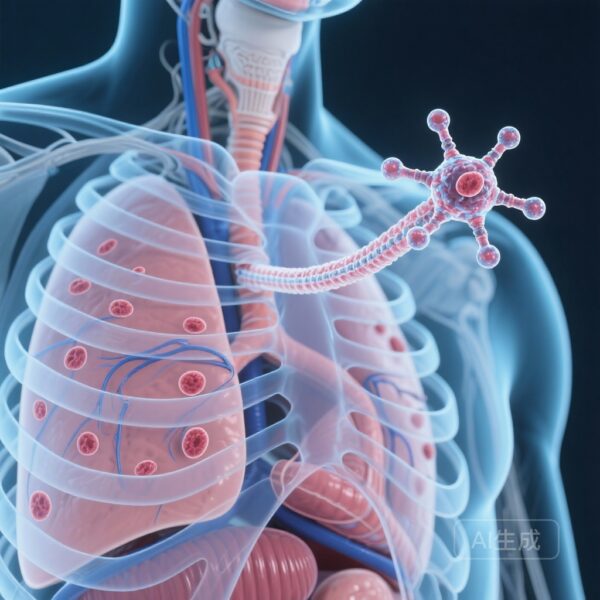
In the colder months of late 2025, the epidemiological landscape of Europe shifted significantly. While seasonal influenza is a predictable guest, the emergence of a specific variant has caught the attention of the World Health Organization (WHO) and public health officials across the continent. Known scientifically as AH3N2 J.2.4.1—or more colloquially as “subclade K”—this mutated strain of influenza has rapidly ascended to dominance. According to recent reports from the WHO European Region, more than 90% of confirmed influenza cases now test positive for this specific variant.
Understanding Subclade K: What the Data Tell Us
The swift rise of subclade K is not merely a statistical anomaly; it represents a significant genetic shift that impacts transmission and clinical outcomes. Hans Kluge, MD, the WHO Regional Director for Europe, pointed out that even minor genetic variations can have outsized impacts on public health. The data from the first week of December 2025, as reported by the European Respiratory Virus Surveillance Summary (ERVISS), indicates that over 70% of reporting countries are experiencing high or very high influenza activity.
The Geographic Impact
Six countries—Ireland, Kyrgyzstan, Montenegro, Serbia, Slovenia, and the UK—have emerged as epicenters for this surge. In these regions, more than half of all patients presenting with influenza-like illness (ILI) have tested positive for the flu, with subclade K being the primary culprit. Alessandro Diana, a lecturer at the Faculty of Medicine at the University of Geneva, Switzerland, noted that hospitalizations in Switzerland have already surpassed last year’s figures, a trend that is mirrored across the broader European territory.
Clinical Severity vs. Transmissibility
A critical question for clinicians and the public alike is whether subclade K is more dangerous than previous strains. Dr. Kluge clarified that while H3N2 dominant seasons are traditionally associated with more severe disease compared to H1N1 seasons, there is currently no evidence suggesting that subclade K is more virulent than other H3N2 strains. The concern lies in its high prevalence and its ability to infect individuals who might have had immunity to previous variants.
The Science of Vaccination: Lab Results vs. Real-World Protection
The first signals of subclade K’s potential impact came from Australia earlier in the year. The southern hemisphere’s flu season often serves as a harbinger for the northern hemisphere. In Australia, the strain led to an “overwhelming” number of hospitalizations, particularly among those over 65 and individuals with pre-existing cardiopulmonary conditions.Initially, health officials hoped that the hospitalizations were limited to the unvaccinated. However, data soon revealed that a portion of those admitted had received their annual flu shot. This prompted researchers to conduct in vitro analyses to determine if the current vaccine offered protection against subclade K.
In Vitro Neutralization
Laboratory tests provided some reassurance: antibodies generated by the 2025-2026 vaccine did indeed show a neutralizing effect against the new strain. However, as Dr. Diana explained, laboratory observations do not always have a 1:1 correlation with clinical outcomes in patients. The primary goal of the flu vaccine has never been the absolute prevention of infection, but rather the reduction of severe complications, ICU admissions, and death.
Efficacy Metrics
The WHO’s early estimates for the current vaccine against subclade K are as follows:
- Children (Ages 2–17): Up to 75% effective at preventing hospitalization.
- Adults: Up to 40% effective at preventing hospitalization.
While 40% may seem modest, from a public health perspective, it represents thousands of averted hospital stays and a significant reduction in the burden on healthcare systems.
Addressing Misconceptions and Harmful Behaviors
One of the greatest challenges in managing an influenza surge is the spread of misinformation. Dr. Kluge emphasized that false claims about vaccine efficacy can leave the most vulnerable members of society unprotected.
Common Misconceptions Regarding the Flu Vaccine
| Misconception | Clinical Reality |
|---|---|
| ‘The vaccine gives me the flu.’ | The flu vaccine contains inactivated or weakened virus that cannot cause the disease. Side effects are immune responses. |
| ‘The vaccine doesn’t work against Subclade K.’ | While not 100% preventive, it significantly reduces the risk of pneumonia, heart attack, and death. |
| ‘It’s too late to get vaccinated in January.’ | Flu season can last until May; getting vaccinated late is better than not at all. |
| ‘Healthy people don’t need the shot.’ | Healthy individuals can transmit the virus to high-risk groups and can still suffer rare but severe complications. |
Practical Health Practices: A Multi-Layered Approach
Protecting oneself from subclade K requires a combination of clinical intervention and behavioral changes. Dr. Diana noted that many people wait until late December to get vaccinated, but because this season started four weeks earlier than usual, many were caught off guard.
Recommended Actions
- Vaccination: Prioritize getting the flu shot, especially for healthcare workers and those in contact with immunocompromised individuals.
- Hygiene: Regular handwashing and using alcohol-based sanitizers.
- Masking: Clinicians and symptomatic individuals should wear masks to prevent droplet transmission.
- Environmental Control: Opening windows and doors to improve ventilation in indoor spaces.
- Isolation: If symptoms appear, staying home is crucial to breaking the chain of transmission.
A Patient Scenario: The Case of ‘Robert’
To understand the real-world impact of subclade K, consider Robert, a 69-year-old retired engineer from Manchester with well-controlled hypertension. Robert considered himself ‘fit as a fiddle’ and often skipped his annual flu shot, believing his immune system was strong enough.In mid-November, Robert attended a community gathering. Three days later, he developed a high fever, a dry cough, and profound fatigue. By the fifth day, Robert was struggling to breathe and was admitted to the hospital with viral pneumonia caused by AH3N2 J.2.4.1. His stay in the hospital lasted eight days, involving supplemental oxygen and intensive monitoring.Robert’s case illustrates two key points made by Dr. Kluge: first, that H3N2 strains hit the elderly particularly hard, and second, that being ‘otherwise healthy’ does not provide a guarantee against the severe inflammatory response triggered by a new viral strain. Had Robert been vaccinated, his risk of that specific hospitalization could have been reduced by 40%.
Expert Recommendations and Future Outlook
The consensus among experts like Dr. Kluge and Dr. Diana is that we must move away from ‘vaccine cynicism.’ For clinicians, the focus must remain on clear communication. Recording the vaccination status of all hospitalized patients is essential for refining our data on subclade K.Furthermore, the WHO urges the public to use trusted sources like ministries of health for information. As the virus continues to evolve, our surveillance systems—like ERVISS—become our most vital tools in predicting and reacting to these shifts.
Conclusion: The Path Forward
The surge of subclade K across Europe is a reminder of the influenza virus’s relentless ability to adapt. While the 90% dominance of this strain is concerning, the tools at our disposal—vaccination, masking, and hygiene—remain effective. The goal is not just individual protection, but the preservation of healthcare capacity. As we navigate the remainder of the 2025-2026 season, the message from the medical community is clear: stay informed, get vaccinated, and take simple steps to protect the most vulnerable among us.
References
1. World Health Organization (WHO) Regional Office for Europe. European Respiratory Virus Surveillance Summary (ERVISS). December 2025. 2. Centers for Disease Control and Prevention (CDC). Influenza Vaccine Efficacy and H3N2 Variants. 2025. 3. Thompson, W. W., et al. (2003). Mortality Associated With Influenza and Respiratory Syncytial Virus in the United States. JAMA, 289(2), 179-186. 4. University of Geneva Faculty of Medicine. Clinical Updates on Influenza Subclades. 2025.