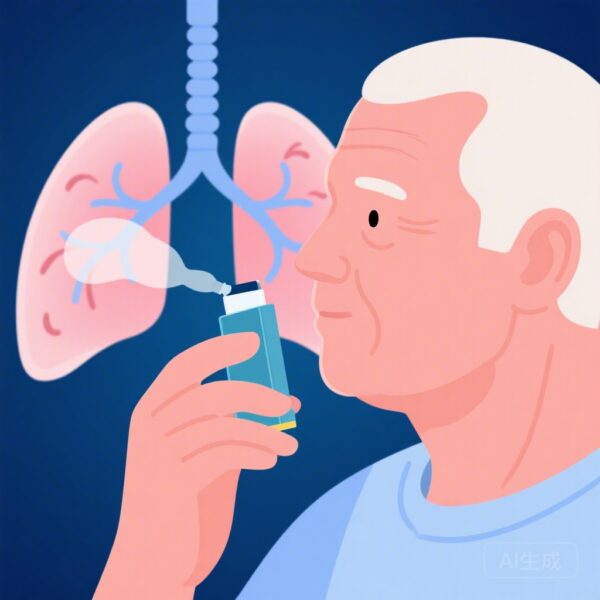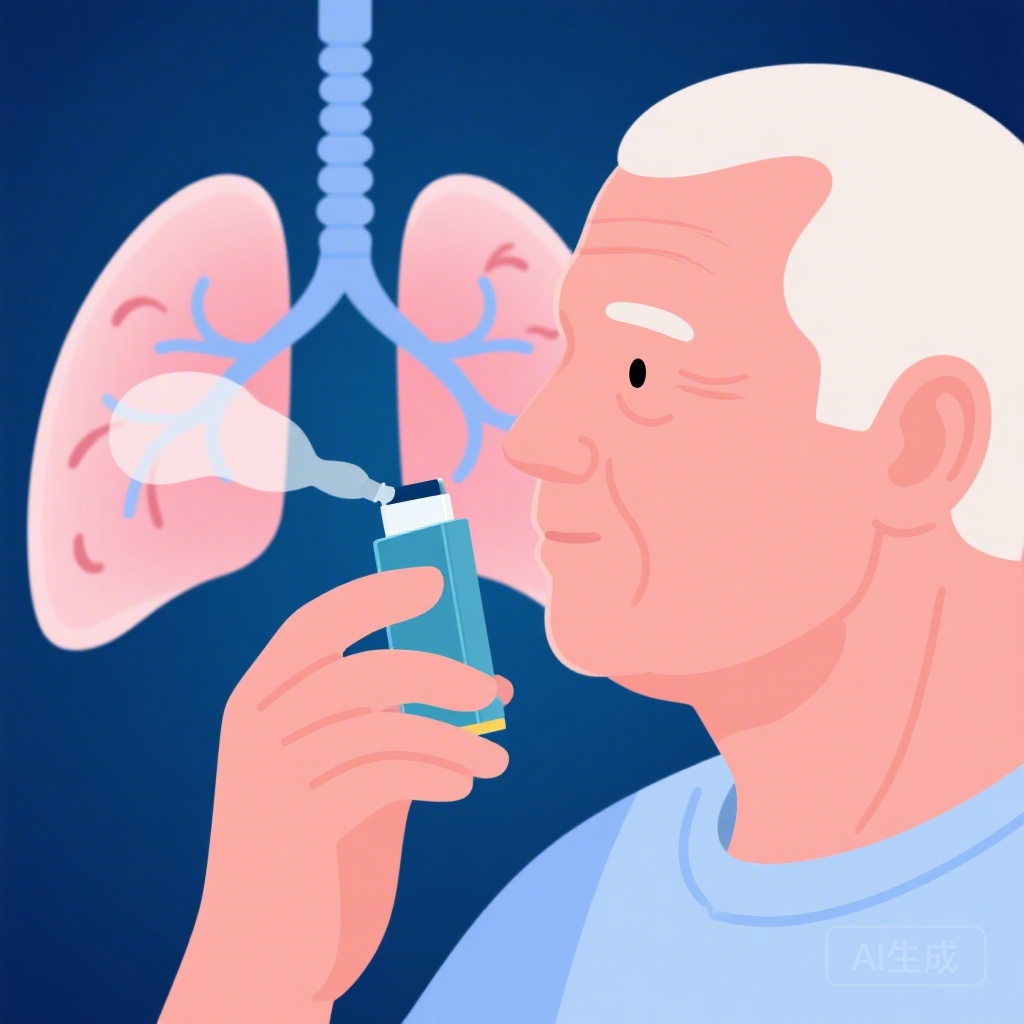
Umeclidinium-Vilanterol Một Lần Một Ngày Hiệu Quả Hơn Các Kết Hợp LAMA-LABA Khác Trong Việc Giảm Tần Suất Tái Phát COPD

Umeclidinium-Vilanterol Một Lần Một Ngày Hiệu Quả Hơn Các Kết Hợp LAMA-LABA Khác Trong Việc Giảm Tần Suất Tái Phát COPD

Tóm Tắt

Nghiên cứu này dựa trên dữ liệu của hơn 55.000 bệnh nhân mắc bệnh phổi tắc nghẽn mạn tính, cho thấy umeclidinium-vilanterol có hiệu quả vượt trội trong việc ngăn ngừa tái phát COPD so với các kết hợp LAMA-LABA liều cố định khác. Kết quả hỗ trợ việc sử dụng liệu pháp hít dạng bột khô một lần một ngày như một lựa chọn đầu tiên ưu tiên cho bệnh nhân COPD có triệu chứng.

Các kết quả chính bao gồm giảm 14% nguy cơ tái phát với umeclidinium-vilanterol so với glycopyrrolate-formoterol, giảm 3% so với tiotropium-olodaterol, đồng thời có mức độ an toàn tim mạch và hô hấp tương đương giữa tất cả các liệu pháp.

Nền Tảng

Bệnh phổi tắc nghẽn mạn tính ảnh hưởng đến hàng triệu người trên toàn thế giới và là gánh nặng lớn đối với hệ thống y tế và chất lượng cuộc sống của bệnh nhân. Liệu pháp giãn phế quản kép kết hợp giữa kháng cholinergic tác dụng kéo dài và beta-2 adrenergic tác dụng kéo dài đã trở thành nền tảng chính trong quản lý dược lý cho bệnh nhân COPD có triệu chứng.

Có ba loại kết hợp LAMA-LABA liều cố định chính hiện đang được sử dụng, mỗi loại được cung cấp qua các công nghệ hít khác nhau: umeclidinium-vilanterol được dùng một lần một ngày qua hít dạng bột khô, glycopyrrolate-formoterol được dùng hai lần một ngày qua hít dạng xịt định liều, và tiotropium-olodaterol được dùng một lần một ngày qua hít dạng sương mềm. Mặc dù các liệu pháp này cùng thuộc một lớp tác động, nhưng vẫn còn nhiều câu hỏi về sự khác biệt về hiệu quả lâm sàng do sự khác biệt về thành phần hoạt chất, dược động học, tần suất dùng thuốc và đặc điểm phân phối.

Bên cạnh đó, các yếu tố môi trường cũng trở nên quan trọng, vì hít dạng xịt định liều góp phần đáng kể vào khí thải khí nhà kính so với các lựa chọn dạng bột khô và sương mềm. Điều này thêm một yếu tố khác cần cân nhắc khi quyết định lựa chọn điều trị trong quản lý COPD hiện đại.

Thiết Kế Nghiên Cứu

Các nhà nghiên cứu đã tiến hành một nghiên cứu quan sát so sánh trực tiếp sử dụng dữ liệu yêu cầu thanh toán từ một kế hoạch bảo hiểm y tế thương mại lớn và Medicare Advantage. Nghiên cứu đã tuyển chọn bệnh nhân từ 40 tuổi trở lên mới bắt đầu dùng liệu pháp kết hợp LAMA-LABA liều cố định và duy trì tình trạng đăng ký liên tục trong giai đoạn cơ bản 183 ngày.

Phương pháp ghép cặp dựa trên điểm số xu hướng đã được sử dụng để tạo ra các nhóm cân bằng, với các ngày chỉ số từ 1 tháng 5 năm 2016 đến 28 tháng 2 năm 2025. Ba so sánh đôi đã được thiết lập: umeclidinium-vilanterol so với glycopyrrolate-formoterol, tiotropium-olodaterol so với glycopyrrolate-formoterol, và umeclidinium-vilanterol so với tiotropium-olodaterol.

Kết quả hiệu quả chính bao gồm thời gian đến lần tái phát COPD vừa hoặc nặng đầu tiên, được định nghĩa là các sự kiện yêu cầu sử dụng bùng phát corticosteroid, tăng cường kháng sinh, thăm khám phòng cấp cứu hoặc nhập viện. Các điểm cuối an toàn bao gồm các sự kiện tim mạch bất lợi nghiêm trọng, nhiễm trùng đường tiết niệu và nhập viện do viêm phổi. Phân tích dữ liệu được thực hiện từ tháng 7 đến tháng 8 năm 2025.

Kết Quả

Nghiên cứu đã phân tích ba nhóm được ghép cặp tốt, bao gồm 9.479 cặp bệnh nhân cho so sánh umeclidinium-vilanterol so với glycopyrrolate-formoterol, 9.598 cặp cho tiotropium-olodaterol so với glycopyrrolate-formoterol, và 36.740 cặp ghép cặp cho so sánh umeclidinium-vilanterol so với tiotropium-olodaterol. Đặc điểm cơ bản cho thấy sự cân bằng tốt giữa tất cả các nhóm so sánh, với độ tuổi trung bình từ 68,9 đến 71,5 tuổi và phân bố giới tính cân đối.

Kết Quả Hiệu Quả

Umeclidinium-vilanterol đã chứng minh sự vượt trội thống kê đáng kể trong việc ngăn ngừa tái phát COPD ở cả hai nhóm so sánh. So với glycopyrrolate-formoterol, umeclidinium-vilanterol có liên quan đến việc giảm 14% nguy cơ tái phát vừa hoặc nặng đầu tiên, với tỷ lệ nguy cơ 0,86 (khoảng tin cậy 95%, 0,81-0,91) và số bệnh nhân cần điều trị để ngăn ngừa một lần tái phát thêm trong khoảng thời gian nghiên cứu là 17 bệnh nhân.

Khi so sánh với tiotropium-olodaterol, umeclidinium-vilanterol cho thấy giảm nguy cơ tái phát vừa phải nhưng có ý nghĩa thống kê 3%, với tỷ lệ nguy cơ 0,97 (khoảng tin cậy 95%, 0,94-0,99) và số bệnh nhân cần điều trị là 100. Bản thân tiotropium-olodaterol cũng cho thấy giảm 6% nguy cơ tái phát so với glycopyrrolate-formoterol, với tỷ lệ nguy cơ 0,94 (khoảng tin cậy 95%, 0,89-1,00), gần nhưng không đạt ý nghĩa thống kê thông thường ở mức 0,05.

Hồ Sơ An Toàn

Quan trọng hơn, nghiên cứu không tìm thấy sự khác biệt đáng kể về kết quả an toàn giữa ba nhóm điều trị. Tần suất các sự kiện tim mạch bất lợi nghiêm trọng đầu tiên, nhiễm trùng đường tiết niệu và nhập viện do viêm phổi là tương đương giữa tất cả các nhóm, cho thấy rằng lợi ích hiệu quả của umeclidinium-vilanterol không đi kèm với nguy cơ tăng sự kiện bất lợi.

Bình Luận Chuyên Gia

Các kết quả này có ý nghĩa quan trọng đối với thực hành lâm sàng và quyết định chính sách y tế. Sự vượt trội của umeclidinium-vilanterol, đặc biệt là sự tiện lợi của việc dùng thuốc một lần một ngày kết hợp với cải thiện khả năng ngăn ngừa tái phát, làm cho loại thuốc này trở thành một lựa chọn hấp dẫn cho các bác sĩ khi chọn liệu pháp giãn phế quản kép ban đầu cho bệnh nhân COPD có triệu chứng.

Từ góc độ cơ chế, các sự khác biệt quan sát được có thể liên quan đến các hồ sơ dược động học cụ thể của mỗi kết hợp. Umeclidinium cung cấp sự ức chế thụ thể muscarinic kéo dài với thời gian bán thải cuối cùng dài, trong khi vilanterol thể hiện sự khởi phát nhanh và giãn phế quản kéo dài. Yêu cầu dùng thuốc hai lần một ngày của glycopyrrolate-formoterol cũng có thể ảnh hưởng đến sự tuân thủ thuốc trong thực tế, có thể góp phần vào sự khác biệt về hiệu quả quan sát được.

Một số hạn chế cần cân nhắc khi diễn giải các kết quả này. Thiết kế quan sát, mặc dù có ghép cặp dựa trên điểm số xu hướng, không thể loại bỏ hoàn toàn sự nhiễu loạn không được đo lường. Nghiên cứu dựa trên dữ liệu yêu cầu thanh toán hành chính, có thể không phản ánh đầy đủ tất cả các khía cạnh lâm sàng liên quan. Sự tuân thủ điều trị không được đo trực tiếp, và khoảng thời gian nghiên cứu diễn ra trước các bản cập nhật hướng dẫn điều trị gần đây.

Các bằng chứng thực tế này bổ sung cho dữ liệu thử nghiệm ngẫu nhiên bằng cách chứng minh hiệu quả so sánh trong các môi trường thực tế lâm sàng đa dạng với mô hình tuân thủ thuốc điển hình. Mẫu kích thước lớn, đặc biệt là cho so sánh umeclidinium-vilanterol so với tiotropium-olodaterol, cung cấp sức mạnh thống kê vững chắc để phát hiện các sự khác biệt lâm sàng có ý nghĩa.

Kết Luận

Nghiên cứu quan sát toàn diện này cung cấp bằng chứng thực tế quý giá hỗ trợ sự khác biệt về hiệu quả giữa các kết hợp LAMA-LABA liều cố định trong quản lý COPD. Umeclidinium-vilanterol thể hiện khả năng ngăn ngừa tái phát vượt trội so với cả glycopyrrolate-formoterol và tiotropium-olodaterol, với hồ sơ an toàn tương đương giữa tất cả ba liệu pháp.

Đối với các bác sĩ, người kê đơn và hệ thống y tế đánh giá chiến lược điều trị COPD, các kết quả này đề xuất rằng hít dạng bột khô một lần một ngày chứa umeclidinium-vilanterol nên được xem xét mạnh mẽ như một liệu pháp giãn phế quản kép ban đầu cho các bệnh nhân COPD có triệu chứng phù hợp. Sự kết hợp giữa cải thiện kết quả lâm sàng, sự tiện lợi của việc dùng thuốc một lần một ngày và tác động môi trường thấp hơn so với các lựa chọn dạng xịt định liều đặt loại liệu pháp này ở vị trí thuận lợi trong thuật toán quyết định điều trị.

Nghiên cứu trong tương lai nên tiếp tục khám phá các so sánh trực tiếp giữa các liệu pháp hô hấp sử dụng thiết kế thử nghiệm thực tế và phương pháp chứng cứ thực tế để hướng dẫn lựa chọn điều trị cá nhân hóa trong quản lý COPD.

Tài Trợ và Công Bố

Dữ liệu nghiên cứu được lấy từ cơ sở dữ liệu yêu cầu thanh toán hành chính. Tác giả báo cáo không có xung đột lợi ích liên quan đến phân tích này.

Tham Khảo

1. Portela GT, Wang SV, Suissa S, Feldman WB. Hiệu Quả và An Toàn So Sánh của Các Thuốc Hít LAMA-LABA trong Bệnh Phổi Tắc Nghẽn Mạn Tính. JAMA Internal Medicine. 2026 Apr 1;186(4):456-468. PMID: 41729543.

2. Global Initiative for Chronic Obstructive Lung Disease. Báo cáo GOLD 2023: Chiến lược toàn cầu về chẩn đoán, quản lý và phòng ngừa bệnh phổi tắc nghẽn mạn tính.

3. Calverley PMA, Anzueto AR, Carter K, et al. Tiotropium và Olodaterol trong COPD. The New England Journal of Medicine. 2015;372(10):961-962.


Once-Daily Umeclidinium-Vilanterol Outperforms Other LAMA-LABA Combinations in Reducing COPD Exacerbations

Once-Daily Umeclidinium-Vilanterol Outperforms Other LAMA-LABA Combinations in Reducing COPD Exacerbations

Highlights

This large observational cohort study of over 55,000 patients with chronic obstructive pulmonary disease reveals that umeclidinium-vilanterol demonstrates superior effectiveness in preventing COPD exacerbations compared to other LAMA-LABA fixed-dose combinations. The findings support once-daily dry powder inhaler therapy as a preferred first-line dual bronchodilator option for symptomatic COPD patients.

Key findings include a 14% reduction in exacerbation risk with umeclidinium-vilanterol versus glycopyrrolate-formoterol, a 3% reduction versus tiotropium-olodaterol, with comparable cardiovascular and respiratory safety across all treatments.

Background

Chronic obstructive pulmonary disease affects millions of individuals worldwide and represents a significant burden on healthcare systems and patient quality of life. Dual bronchodilator therapy combining long-acting muscarinic antagonists with long-acting beta-2 agonists has become the cornerstone of pharmacological management for symptomatic COPD patients.

Three major fixed-dose LAMA-LABA combinations are currently available, each delivered via different inhaler technologies: umeclidinium-vilanterol administered once daily through a dry powder inhaler, glycopyrrolate-formoterol administered twice daily via metered-dose inhaler, and tiotropium-olodaterol administered once daily as a soft mist inhaler. While these therapies share the same mechanistic class, important questions have persisted regarding potential intraclass differences in clinical effectiveness given variations in active ingredients, pharmacokinetics, dosing frequencies, and delivery characteristics.

Additionally, environmental considerations have emerged as relevant factors, as metered-dose inhalers contribute substantially to greenhouse gas emissions compared to dry powder and soft mist alternatives. This consideration adds another dimension to treatment selection decisions in contemporary COPD management.

Study Design

Researchers conducted an observational active-comparator study using claims data from a large commercial health insurance and Medicare Advantage plan. The study enrolled patients aged 40 years or older who were newly initiated on LAMA-LABA fixed-dose combination therapy and maintained continuous enrollment during a 183-day baseline period.

Propensity score matching was employed to create balanced cohorts, with index dates spanning from May 1, 2016, through February 28, 2025. Three pairwise comparisons were established: umeclidinium-vilanterol versus glycopyrrolate-formoterol, tiotropium-olodaterol versus glycopyrrolate-formoterol, and umeclidinium-vilanterol versus tiotropium-olodaterol.

The primary effectiveness outcomes included time to first moderate or severe COPD exacerbation, defined as events requiring corticosteroid bursts, antibiotic escalation, emergency department visits, or hospitalization. Safety endpoints encompassed major adverse cardiovascular events, urinary tract infections, and pneumonia hospitalizations. Data analysis was performed from July to August 2025.

Results

The study analyzed three well-matched cohorts comprising 9,479 patient pairs for the umeclidinium-vilanterol versus glycopyrrolate-formoterol comparison, 9,598 pairs for tiotropium-olodaterol versus glycopyrrolate-formoterol, and an extensive 36,740 matched pairs for the umeclidinium-vilanterol versus tiotropium-olodaterol analysis. Baseline characteristics demonstrated good balance across all comparison groups, with mean ages ranging from 68.9 to 71.5 years and balanced gender distribution.

Effectiveness Findings

Umeclidinium-vilanterol demonstrated statistically significant superiority in preventing COPD exacerbations across both comparators. Compared to glycopyrrolate-formoterol, umeclidinium-vilanterol was associated with a 14% reduction in the hazard of first moderate or severe exacerbation, with a hazard ratio of 0.86 (95% confidence interval, 0.81-0.91) and a number needed to treat of 17 patients to prevent one additional exacerbation over the study period.

When compared to tiotropium-olodaterol, umeclidinium-vilanterol showed a modest but statistically significant 3% reduction in exacerbation risk, with a hazard ratio of 0.97 (95% confidence interval, 0.94-0.99) and a number needed to treat of 100. Tiotropium-olodaterol itself demonstrated a 6% reduction in exacerbation hazard compared to glycopyrrolate-formoterol, with a hazard ratio of 0.94 (95% confidence interval, 0.89-1.00), approaching but not achieving conventional statistical significance at the 0.05 level.

Safety Profile

Importantly, the study found no significant differences in safety outcomes among the three treatment groups. Rates of first major adverse cardiovascular events, urinary tract infections, and pneumonia hospitalizations were comparable across all cohorts, suggesting that the effectiveness benefits of umeclidinium-vilanterol do not come at the expense of increased adverse event risk.

Expert Commentary

These findings carry important implications for clinical practice and health policy decision-making. The superiority of umeclidinium-vilanterol, particularly its once-daily dosing convenience combined with improved exacerbation prevention, positions this agent as an attractive option for clinicians selecting initial dual bronchodilator therapy for symptomatic COPD patients.

From a mechanistic perspective, the observed differences may relate to the specific pharmacokinetic profiles of each combination. Umeclidinium provides sustained muscarinic receptor blockade with a long terminal half-life, while vilanterol demonstrates rapid onset and sustained bronchodilation. The twice-daily dosing requirement for glycopyrrolate-formoterol may also impact medication adherence in real-world settings, potentially contributing to the observed effectiveness differences.

Several limitations merit consideration when interpreting these results. The observational design, despite propensity score matching, cannot fully eliminate unmeasured confounding. The study relied on administrative claims data, which may not capture all relevant clinical nuances. Treatment adherence was not directly measured, and the study period predates more recent treatment guidelines updates.

These real-world evidence findings complement randomized trial data by demonstrating comparative effectiveness in diverse clinical practice settings with typical patient adherence patterns. The large sample size, particularly for the umeclidinium-vilanterol versus tiotropium-olodaterol comparison, provides robust statistical power for detecting meaningful clinical differences.

Conclusion

This comprehensive observational study provides valuable real-world evidence supporting differential effectiveness among LAMA-LABA fixed-dose combinations for COPD management. Umeclidinium-vilanterol demonstrates superior exacerbation prevention compared to both glycopyrrolate-formoterol and tiotropium-olodaterol, with comparable safety profiles across all three therapies.

For clinicians, prescribers, and health systems evaluating COPD treatment strategies, these findings suggest that once-daily umeclidinium-vilanterol dry powder inhalers should be strongly considered as first-line dual bronchodilator therapy for appropriate symptomatic COPD patients. The combination of improved clinical outcomes, once-daily dosing convenience, and lower environmental impact compared to metered-dose alternatives positions this therapy favorably in the treatment decision algorithm.

Future research should continue to explore head-to-head comparisons of respiratory therapies using pragmatic trial designs and real-world evidence methodologies to guide personalized treatment selection in COPD management.

Funding and Disclosures

Study data were derived from administrative claims databases. Authors reported no conflicts of interest relevant to this analysis.

References

1. Portela GT, Wang SV, Suissa S, Feldman WB. Comparative Effectiveness and Safety of LAMA-LABA Inhalers in Chronic Obstructive Pulmonary Disease. JAMA Internal Medicine. 2026 Apr 1;186(4):456-468. PMID: 41729543.

2. Global Initiative for Chronic Obstructive Lung Disease. GOLD 2023 Report: Global Strategy for the Diagnosis, Management, and Prevention of Chronic Obstructive Pulmonary Disease.

3. Calverley PMA, Anzueto AR, Carter K, et al. Tiotropium and olodaterol in COPD. The New England Journal of Medicine. 2015;372(10):961-962.
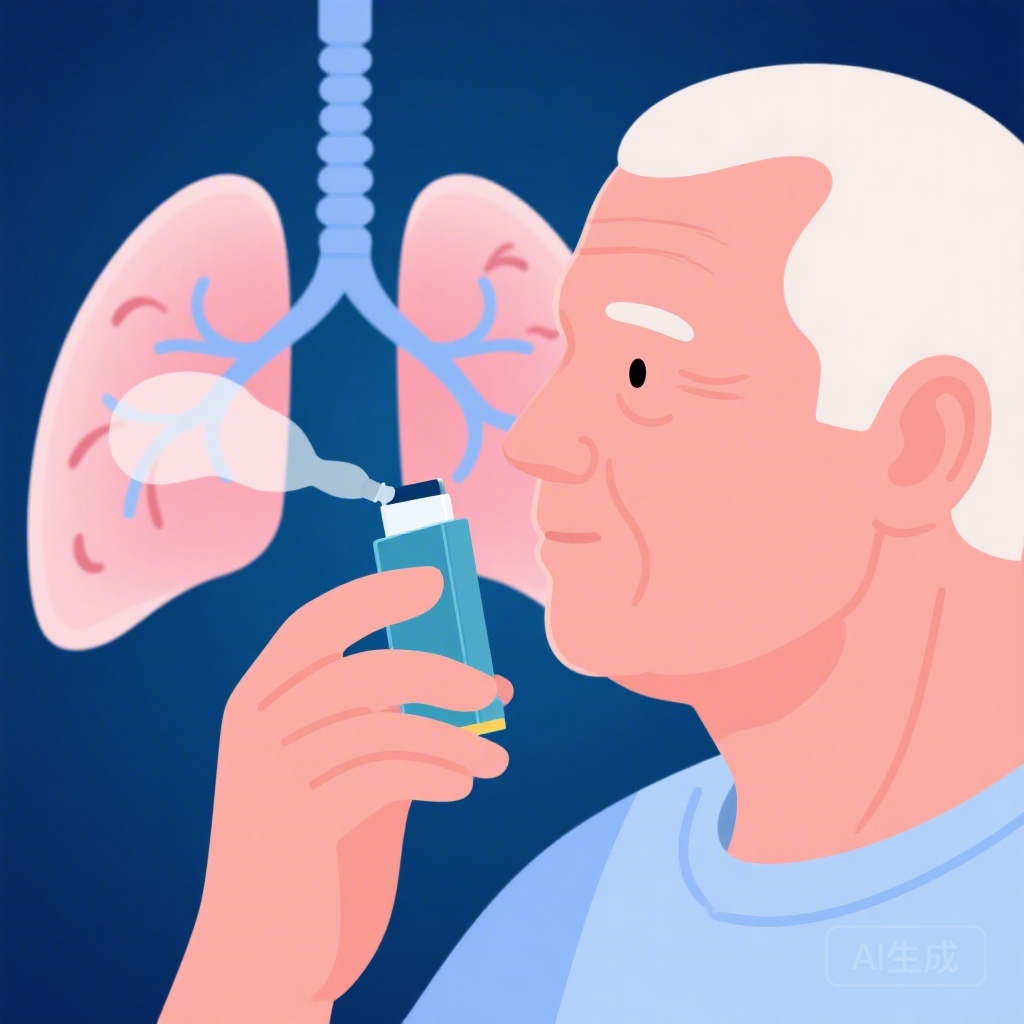
Comments

No comments yet. Why don’t you start the discussion?

Để lại một bình luận