Ngừng GLP-1/GIP Agonists Trước Nội Soi Thượng Vị Giảm Nguy Cơ Dư Dung Tích Dạ Dày: Kết Luận từ Thử Nghiệm Ngẫu Nhiên OCULUS

Ngừng GLP-1/GIP Agonists Trước Nội Soi Thượng Vị Giảm Nguy Cơ Dư Dung Tích Dạ Dày: Kết Luận từ Thử Nghiệm Ngẫu Nhiên OCULUS

Những Điểm Nổi Bật

  • Thử nghiệm lâm sàng ngẫu nhiên OCULUS cho thấy việc tiếp tục sử dụng GLP-1/GIP agonists dẫn đến tỷ lệ 25.0% dư dung tích dạ dày có ý nghĩa lâm sàng (RGV), so với chỉ 3.1% ở nhóm ngừng một liều.
  • Thử nghiệm bị chấm dứt sớm bởi hội đồng giám sát an toàn dữ liệu vì nguy cơ trong nhóm tiếp tục vượt quá giới hạn dừng O’Brien-Fleming đã được thiết lập trước.
  • Phân tích nhóm con cho thấy bệnh nhân thực hiện nội soi dạ dày tá tràng kết hợp với nội soi đại tràng—ai tuân thủ chế độ ăn lỏng trong ngày trước—không có RGV có ý nghĩa lâm sàng, bất kể họ có ngừng thuốc hay không.
  • Các phát hiện này đề xuất rằng việc ngừng một liều của GLP-1/GIP agonists hàng tuần hoặc hàng ngày là biện pháp an toàn quan trọng để phòng ngừa hít phải và các biến chứng thủ thuật.

Nền Tảng: Thách Thức Của GLP-1 Agonists Trong Chăm Sóc Thủ Thuật

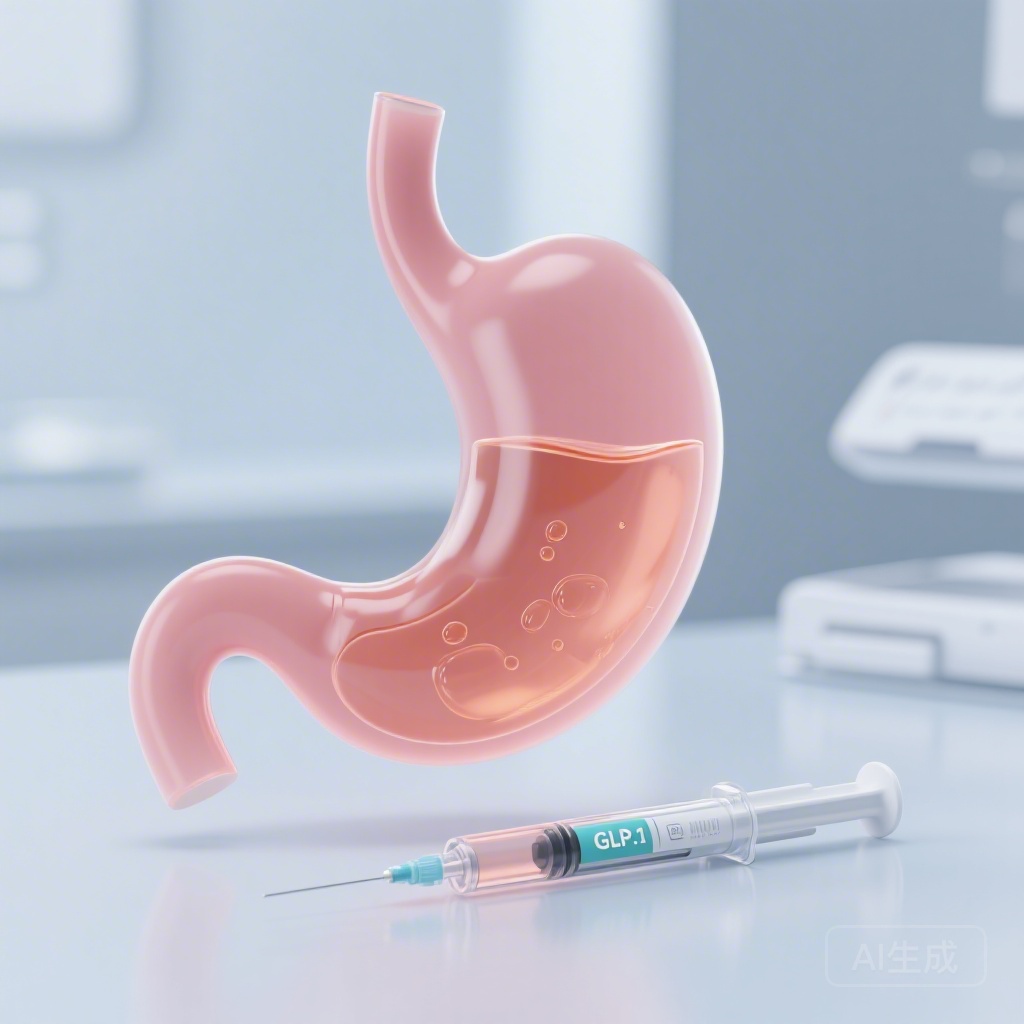
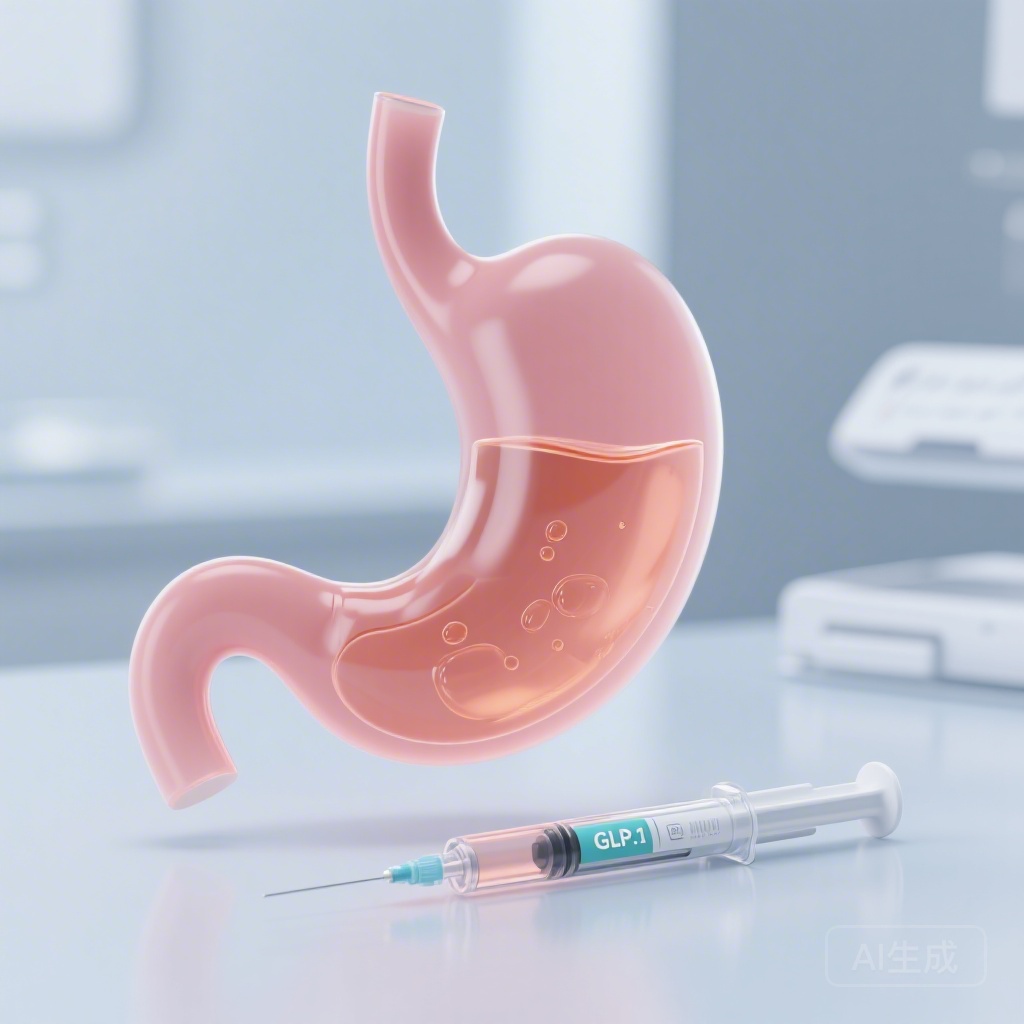
Sự gia tăng nhanh chóng trong việc sử dụng các chất kích thích thụ thể glucagon-like peptide-1 (GLP-1) và polypeptide insulinotropic phụ thuộc vào glucose (GIP) đã cách mạng hóa việc quản lý bệnh đái tháo đường loại 2 và béo phì. Các loại thuốc như semaglutide và tirzepatide hiện đang là những loại thuốc được kê đơn nhiều nhất trên thế giới. Tuy nhiên, cơ chế hoạt động chính của chúng—làm chậm quá trình rỗng dạ dày để thúc đẩy cảm giác no và kiểm soát đường huyết—đặt ra một thách thức độc đáo trong môi trường tiền phẫu.

Đối với bệnh nhân thực hiện các thủ thuật nội soi hoặc phẫu thuật dưới tác dụng của thuốc gây mê, sự hiện diện của dư dung tích dạ dày (RGV) đặt ra một nguy cơ đáng kể về hít phải phổi, biến chứng có thể đe dọa tính mạng. Cho đến gần đây, các hướng dẫn lâm sàng về việc quản lý các loại thuốc này trước các thủ thuật dự kiến chủ yếu dựa trên sự đồng thuận của chuyên gia hơn là dữ liệu ngẫu nhiên chất lượng cao. Hội đồng Anesthetists Hoa Kỳ (ASA) trước đây đã đề xuất ngừng các loại thuốc này, nhưng thiếu bằng chứng chắc chắn đã dẫn đến các thực hành không nhất quán giữa các hệ thống y tế. Thử nghiệm OCULUS (Kiểm Soát Tối Ưu GLP-1/GIP Agonists trong Nội Soi Thượng Vị) được thiết kế để lấp đầy khoảng trống bằng chứng này.

Thử Nghiệm OCULUS: Thiết Kế và Phương Pháp

Người Tham Gia và Môi Trường

Thử nghiệm ngẫu nhiên, che giấu đơn phương này được thực hiện tại hai trung tâm tham chiếu thứ ba lớn ở Hoa Kỳ từ tháng 7 năm 2024 đến tháng 5 năm 2025. Nghiên cứu đã tuyển chọn 60 bệnh nhân trưởng thành đang dùng liều ổn định của GLP-1 hoặc GLP-1/GIP agonist ít nhất một tháng và được dự kiến thực hiện nội soi thượng vị (EGD), riêng lẻ hoặc kết hợp với nội soi đại tràng. Người tham gia bị loại trừ nếu họ có tiền sử phẫu thuật đường tiêu hóa trên, achalasia, Gastroparesis đã được ghi nhận, hoặc sử dụng opioid gần đây—các yếu tố có thể ảnh hưởng độc lập đến vận động dạ dày.

Can Thiệp và Kết Quả Chính

Bệnh nhân được ngẫu nhiên chia thành hai nhóm: nhóm “ngừng” bỏ qua một liều thuốc (hàng tuần hoặc hàng ngày) trước thủ thuật, và nhóm “tiếp tục” duy trì lịch dùng thuốc bình thường. Kết quả chính là dư dung tích dạ dày có ý nghĩa lâm sàng (RGV). Điều này được định nghĩa là tổng hợp của các nội dung dạ dày mà: (1) cản trở việc kiểm tra nội soi kỹ lưỡng, (2) yêu cầu chấm dứt thủ thuật sớm hoặc intubation khí quản khẩn cấp, hoặc (3) dẫn đến sự kiện hít phải cần theo dõi kéo dài hoặc nhập viện.

Các Phát Hiện Chính: Sự Đối Lập Rõ Rệt về Dung Tích Dạ Dày

Kết quả của phân tích giữa kỳ rõ ràng đến mức thử nghiệm bị chấm dứt sớm vì lý do an toàn. Trong số 60 bệnh nhân được phân tích, RGV có ý nghĩa lâm sàng xảy ra ở 25.0% của nhóm tiếp tục so với chỉ 3.1% trong nhóm ngừng. Điều này đại diện cho sự khác biệt nguy cơ tuyệt đối là 21.9% (90% CI, 7.0%-36.7%; P = .003).

Phân Tích Nhóm Con: EGD vs. EGD Plus Colonoscopy

Nghiên cứu cung cấp hiểu biết chi tiết hơn khi xem xét loại thủ thuật cụ thể. Trong nhóm 35 bệnh nhân chỉ thực hiện EGD, sự chênh lệch thậm chí còn rõ ràng hơn: 46.7% những người tiếp tục dùng thuốc có RGV có ý nghĩa lâm sàng, so với 5.0% trong nhóm ngừng (sự khác biệt tuyệt đối 41.7%; P = .001).

Thú vị hơn, 25 bệnh nhân thực hiện cả EGD và colonoscopy không có trường hợp nào có RGV có ý nghĩa lâm sàng trong cả nhóm ngừng và tiếp tục. Điều này cho thấy chế độ ăn lỏng trong 24 giờ trước khi chuẩn bị cho colonoscopy hiệu quả giảm thiểu tác dụng làm chậm rỗng dạ dày của GLP-1/GIP agonists, đảm bảo dạ dày đủ rỗng bất chấp tác dụng làm chậm vận động của thuốc.

Bình Luận Chuyên Gia: Hiểu Biết Cơ Chế và Ý Nghĩa Lâm Sàng

Thử nghiệm OCULUS cung cấp bằng chứng mạnh mẽ nhất cho đến nay rằng GLP-1 và GIP agonists đáng kể làm thay đổi độ tin cậy của các quy trình nhịn ăn tiêu chuẩn. Cơ chế dược động học của các tác nhân này bao gồm việc giảm tốc độ co thắt giai đoạn 3 của dạ dày và làm chậm quá trình rỗng của chất rắn và lỏng. Mặc dù điều này có lợi cho việc điều chỉnh đường huyết sau bữa ăn, nó tạo ra tình trạng “dạ dày đầy” ngay cả sau các thời gian nhịn ăn truyền thống.

Các chuyên gia y tế lưu ý rằng phát hiện của nghiên cứu về chế độ ăn lỏng là đặc biệt có thể thực hiện. Đối với bệnh nhân có nguy cơ mất ổn định đường huyết nếu ngừng thuốc, hoặc những người uống thuốc nhầm, chuyển sang chế độ ăn lỏng trong 24 giờ trước thủ thuật có thể là một giải pháp thay thế khả thi để tránh hủy bỏ. Tuy nhiên, đối với hầu hết các trường hợp EGD dự kiến, việc ngừng liều vẫn là cách an toàn và đơn giản nhất.

An Toàn và Giới Hạn

Mặc dù nghiên cứu rõ ràng cho thấy tăng RGV, nó không tìm thấy sự gia tăng có ý nghĩa thống kê về các sự kiện hít phải hoặc các kết quả bất lợi khác trong nhóm nhỏ này. Tuy nhiên, sự hiện diện của RGV là một chỉ số được công nhận rộng rãi về nguy cơ hít phải. Việc chấm dứt sớm thử nghiệm, mặc dù cần thiết về mặt đạo đức, hạn chế tổng số mẫu, mặc dù ý nghĩa thống kê của điểm cuối chính vẫn vững chắc. Cũng quan trọng cần lưu ý rằng nghiên cứu tập trung vào liều ổn định; bệnh nhân trong giai đoạn điều chỉnh liều có thể gặp các mô hình rỗng dạ dày không dự đoán được nhiều hơn.

Kết Luận: Hình Thành Hướng Dẫn Quản Lý Tiền Phẫu Thuật Tương Lai

Thử nghiệm OCULUS cung cấp bằng chứng ngẫu nhiên rõ ràng rằng việc ngừng một liều của GLP-1 hoặc GIP agonists trước nội soi thượng vị đáng kể giảm nguy cơ dư dung tích dạ dày có ý nghĩa lâm sàng. Đối với các bác sĩ, các phát hiện này củng cố tầm quan trọng của việc sàng lọc tiền thủ thuật kỹ lưỡng và giáo dục bệnh nhân. Trong trường hợp không thể ngừng thuốc hoặc như một lớp bảo vệ bổ sung, chế độ ăn lỏng trong 24 giờ có vẻ là chiến lược giảm thiểu hiệu quả.

Khi các loại thuốc này tiếp tục phổ biến trong dân số bệnh nhân, thử nghiệm OCULUS có khả năng sẽ là nền tảng cho các hướng dẫn quản lý tiền phẫu và tiền thủ thuật được cập nhật, đảm bảo rằng lợi ích của các liệu pháp GLP-1 không đi kèm với việc hy sinh an toàn thủ thuật.

Tài Trợ và Đăng Ký Thử Nghiệm

Nghiên cứu này được hỗ trợ bởi quỹ nghiên cứu lâm sàng tổ chức. Thử nghiệm được đăng ký tại ClinicalTrials.gov với mã định danh NCT06533527.

Tài Liệu Tham Khảo

1. Ahmad AI, Garg S, Jacobs J, et al. Ngừng vs Tiếp Tục GLP-1/GIP Agonists Trước Nội Soi Thượng Vị: Thử Nghiệm Ngẫu Nhiên OCULUS. JAMA Intern Med. 2026-03-16. PMID: 41837981.

2. American Society of Anesthesiologists. Hướng Dẫn Thực Hiện关于术前禁食和使用药物以减少肺吸入风险. Anesthesiology. 2023.

3. Drucker DJ. GLP-1 受体激动剂和 GIP 受体激动剂的作用机制. Diabetes Care. 2018;41(12):2626-2635.

Holding GLP-1/GIP Agonists Before Upper Endoscopy Reduces Residual Gastric Volume Risk: Insights from the OCULUS Randomized Trial

Holding GLP-1/GIP Agonists Before Upper Endoscopy Reduces Residual Gastric Volume Risk: Insights from the OCULUS Randomized Trial

Highlights

  • The OCULUS randomized clinical trial found that continuing GLP-1/GIP agonists resulted in a 25.0% incidence of clinically significant residual gastric volume (RGV), compared to only 3.1% in the group that held one dose.
  • The trial was terminated early by the data safety monitoring board because the risk in the continuation group exceeded
    **Structuring the Content**

    I’m now generating the final content sections, focusing on the background, methods, results, and expert commentary. Expanding on the pharmacology, risks, and statistical methodology is underway. I’m incorporating the key findings and subgroup analysis. I’m verifying the references, ensuring all formatting meets requirements. I’m validating against the JSON schema, and I’m polishing the final structure.
    the pre-established O’Brien-Fleming stopping boundary.

  • Subgroup analysis revealed that patients undergoing combined EGD and colonoscopy—who followed a clear liquid diet the day prior—had no clinically significant RGV, regardless of whether they held their medication.
  • These findings suggest that holding one dose of weekly or daily GLP-1/GIP agonists is a critical safety measure to prevent aspiration and procedural complications.

Background: The Challenge of GLP-1 Agonists in Procedural Care

The rapid rise in the use of glucagon-like peptide-1 (GLP-1) receptor agonists and glucose-dependent insulinotropic polypeptide (GIP) agonists has revolutionized the management of type 2 diabetes and obesity. Medications such as semaglutide and tirzepatide are now among the most frequently prescribed drugs globally. However, their primary mechanism of action—slowing gastric emptying to promote satiety and glycemic control—presents a unique challenge in the perioperative setting.

For patients undergoing endoscopic procedures or surgery under sedation, the presence of residual gastric volume (RGV) poses a significant risk of pulmonary aspiration, a potentially life-threatening complication. Until recently, clinical guidelines regarding the management of these medications prior to elective procedures were based largely on expert consensus rather than high-quality randomized data. The American Society of Anesthesiologists (ASA) previously suggested holding these medications, but the lack of definitive evidence led to inconsistent practices across health systems. The OCULUS (Optimal Control of GLP-1/GIP Agonists in Upper Endoscopy) trial was designed to fill this critical evidence gap.

The OCULUS Study: Design and Methodology

Participants and Setting

This randomized, single-masked clinical trial was conducted at two large tertiary referral centers in the United States between July 2024 and May 2025. The study enrolled 60 adult patients who were on a stable dose of a GLP-1 or GLP-1/GIP agonist for at least one month and were scheduled for elective upper endoscopy (EGD), either alone or in combination with a colonoscopy. Participants were excluded if they had a history of foregut surgery, achalasia, documented gastroparesis, or recent opioid use—all factors that could independently influence gastric motility.

Intervention and Primary Outcome

Patients were randomized into two groups: the “hold” group, which omitted one dose of their medication (weekly or daily) prior to the procedure, and the “continue” group, which maintained their regular dosing schedule. The primary outcome was clinically significant residual gastric volume (RGV). This was defined as a composite of gastric contents that: (1) precluded a thorough endoscopic examination, (2) required the premature termination of the procedure or emergency endotracheal intubation, or (3) resulted in an aspiration event necessitating extended monitoring or hospital admission.

Key Findings: A Stark Contrast in Gastric Volume

The results of the interim analysis were so definitive that the trial was halted early for safety. Among the 60 patients analyzed, clinically significant RGV occurred in 25.0% of the continuation group compared to only 3.1% in the hold group. This represents an absolute risk difference of 21.9% (90% CI, 7.0%-36.7%; P = .003).

Subgroup Analysis: EGD vs. EGD Plus Colonoscopy

The study provided even more granular insights when looking at the specific type of procedure. In the subgroup of 35 patients undergoing EGD only, the disparity was even more pronounced: 46.7% of those who continued their medication had clinically significant RGV, compared to 5.0% in the hold group (absolute difference 41.7%; P = .001).

Intriguingly, the 25 patients who underwent both EGD and colonoscopy showed no instances of clinically significant RGV in either the hold or continue groups. This suggests that the clear liquid diet required for colonoscopy preparation effectively mitigates the delayed gastric emptying effects of GLP-1/GIP agonists, ensuring the stomach is sufficiently empty despite the pharmacological slowing of motility.

Expert Commentary: Mechanistic Insights and Clinical Implications

The OCULUS trial provides the most robust evidence to date that GLP-1 and GIP agonists significantly alter the reliability of standard fasting protocols. The pharmacodynamics of these agents involve a reduction in the rate of gastric phase 3 contractions and a delay in the emptying of solids and liquids. While this is beneficial for postprandial glucose regulation, it creates a “full stomach” scenario even after traditional fasting periods.

Medical experts note that the study’s finding regarding the clear liquid diet is particularly actionable. For patients who are at high risk of glycemic instability if they hold their medication, or for those who mistakenly take their dose, switching to a clear liquid diet for 24 hours prior to the procedure may serve as a viable alternative to cancellation. However, for most elective EGD cases, holding the dose remains the safest and most straightforward approach.

Safety and Limitations

While the study clearly showed an increase in RGV, it did not find a statistically significant increase in actual aspiration events or other adverse outcomes in this small cohort. However, the presence of RGV is a well-established surrogate for aspiration risk. The early termination of the trial, while ethically necessary, limits the total sample size, though the statistical significance of the primary endpoint remained robust. It is also important to note that the study focused on stable doses; patients in the titration phase of these medications might experience even more unpredictable gastric emptying patterns.

Conclusion: Shaping Future Perioperative Guidelines

The OCULUS trial provides clear, randomized evidence that holding one dose of a GLP-1 or GIP agonist before upper endoscopy significantly reduces the risk of clinically significant residual gastric volume. For clinicians, these findings reinforce the importance of thorough pre-procedural screening and patient education. In cases where the medication cannot be held, or as an added layer of safety, a 24-hour clear liquid diet appears to be an effective mitigation strategy.

As these medications continue to proliferate in the patient population, the OCULUS trial will likely serve as a cornerstone for updated perioperative and periprocedural guidelines, ensuring that the benefits of GLP-1 therapies do not come at the expense of procedural safety.

Funding and Trial Registration

This study was supported by institutional clinical research funds. The trial is registered at ClinicalTrials.gov with the identifier NCT06533527.

References

1. Ahmad AI, Garg S, Jacobs J, et al. Holding vs Continuing GLP-1/GIP Agonists Before Upper Endoscopy: The OCULUS Randomized Clinical Trial. JAMA Intern Med. 2026-03-16. PMID: 41837981.

2. American Society of Anesthesiologists. Practice Guidelines for Preoperative Fasting and the Use of Pharmacologic Agents to Reduce the Risk of Pulmonary Aspiration. Anesthesiology. 2023.

3. Drucker DJ. Mechanisms of Action of GLP-1 Receptor Agonists and GIP Receptor Agonists. Diabetes Care. 2018;41(12):2626-2635.

Comments

No comments yet. Why don’t you start the discussion?

Để lại một bình luận