Fentanyl và Xylazine thống trị nguồn cung bất hợp pháp: Dữ liệu đa thành phố mới tiết lộ cuộc khủng hoảng đa chất ngày càng nghiêm trọng

Fentanyl và Xylazine thống trị nguồn cung bất hợp pháp: Dữ liệu đa thành phố mới tiết lộ cuộc khủng hoảng đa chất ngày càng nghiêm trọng

Những điểm nổi bật

  • Việc phát hiện fentanyl gần như phổ biến (93,2%) ở người tiêm chích ma túy không điều trị (PWID) ở năm thành phố lớn của Hoa Kỳ.
  • Sử dụng đa chất là điều bình thường, với 94,8% người tham gia có kết quả dương tính với fentanyl hoặc opioid kết hợp với chất kích thích, benzodiazepines, hoặc xylazine.
  • Tỷ lệ xylazine cực kỳ cao ở Philadelphia (99,1%) và đang tăng nhanh chóng ở New York City và Washington, DC.
  • Nhà ở không ổn định và bị giam giữ gần đây có liên quan đáng kể đến tỷ lệ phát hiện cocaine và chất kích thích cao hơn.

Bản đồ thay đổi của cuộc khủng hoảng quá liều ở Mỹ

Hoa Kỳ hiện đang đối mặt với giai đoạn nguy hiểm nhất của cuộc khủng hoảng quá liều, thường được mô tả là đợt thứ tư. Thời kỳ này không chỉ được xác định bởi sự thống trị của các opioid tổng hợp như fentanyl, mà còn bởi sự đa dạng hóa và pha chế nhanh chóng của nguồn cung ma túy bất hợp pháp. Các bác sĩ lâm sàng và quan chức y tế công cộng ngày càng phải đối mặt với các mô hình sử dụng đa chất phức tạp, làm phức tạp việc ứng phó khẩn cấp, quản lý cai nghiện, và cam kết điều trị dài hạn. Đặc biệt dễ bị tổn thương là những người tiêm chích ma túy (PWID) nhưng vẫn ở ngoài hệ thống y tế và điều trị rối loạn sử dụng chất (SUD) truyền thống.

Hiểu rõ thành phần thực tế của nguồn cung ma túy là điều quan trọng để phát triển các chiến lược giảm thiểu tác hại hiệu quả. Tuy nhiên, giám sát truyền thống thường dựa vào phân tích độc học sau khi tử vong hoặc dữ liệu thu giữ, có thể chậm hơn so với xu hướng cấp độ đường phố hiện tại. Nghiên cứu HPTN 094 cung cấp một bức tranh quan trọng về hồ sơ độc học của PWID hoạt động, không điều trị ở nhiều khu vực địa lý khác nhau ở Hoa Kỳ.

Thiết kế và phương pháp nghiên cứu

Các kết quả xuất phát từ phân tích cắt ngang dữ liệu cơ bản từ nghiên cứu HIV Prevention Trials Network (HPTN) 094, một thử nghiệm lâm sàng ngẫu nhiên đánh giá hiệu quả của các đơn vị y tế di động tích hợp. Nghiên cứu đã tuyển chọn 444 người trưởng thành (từ 18 tuổi trở lên) báo cáo việc tiêm chích ma túy trong 30 ngày qua và không đang tham gia vào điều trị SUD chính thức.

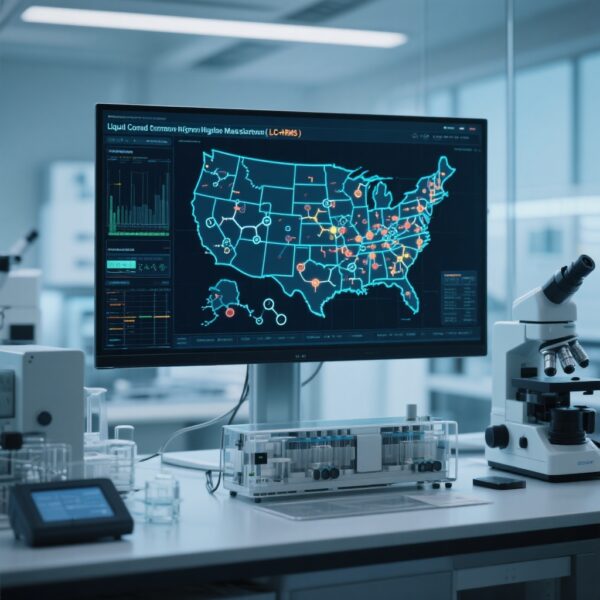
Thu thập dữ liệu diễn ra từ tháng 6 năm 2021 đến tháng 9 năm 2023 ở năm thành phố: New York City, Houston, Los Angeles, Philadelphia, và Washington, DC. Người tham gia đã trải qua các đánh giá xã hội dân số toàn diện, bao gồm tình trạng nhà ở và lịch sử bị giam giữ gần đây. Kết quả chính là việc phát hiện độc học của các chất ma túy bất hợp pháp bằng sắc ký lỏng-chất phổ phân giải cao (LC-HRMS), một phương pháp nhạy cảm cao có khả năng xác định một loạt các chất và các chất chuyển hóa của chúng.

Kết quả chính: Cuộc khủng hoảng pha chế đa chất

Kết quả của phân tích vẽ nên một bức tranh nghiêm trọng về môi trường ma túy hiện tại. Trong tổng số nhóm nghiên cứu, fentanyl được phát hiện ở 93,2% người tham gia, xác nhận vị trí của nó là yếu tố nền tảng của thị trường opioid bất hợp pháp ở cả năm thành phố. Tuy nhiên, sự hiện diện của các chất cùng tồn tại là kết quả đáng chú ý nhất.

Tỷ lệ sử dụng đa chất

Khoảng 94,8% người tham gia có kết quả dương tính với các tổ hợp đa chất. Điều này bao gồm việc phát hiện đồng thời fentanyl hoặc các opioid khác với chất kích thích (cocaine hoặc amphetamine), benzodiazepines, hoặc tranquilizer thú y xylazine. Ý nghĩa lâm sàng của điều này là sâu sắc: mô hình truyền thống điều trị nghiện chất đơn lẻ ngày càng lỗi thời, vì đa số bệnh nhân đang tiêu thụ các hỗn hợp hóa học phức tạp một cách vô tình hoặc cố ý.

Các điểm nóng địa lý và sự bùng phát của xylazine

Mặc dù fentanyl phổ biến, tỷ lệ các chất khác thay đổi đáng kể theo khu vực. Xylazine, thường được gọi là tranq, gần như phổ biến ở Philadelphia, được phát hiện ở 99,1% người tham gia. Nghiên cứu cũng ghi nhận xu hướng tăng đáng kể ở các thành phố phía Đông khác. Ở New York City, tỷ lệ phát hiện xylazine tăng 10,3% mỗi sáu tháng trong suốt thời gian nghiên cứu. Washington, DC, cũng có tỷ lệ cao (75,6%). Ngược lại, Houston và Los Angeles báo cáo tỷ lệ phát hiện xylazine thấp hơn đáng kể, mặc dù các chuyên gia cảnh báo rằng các thị trường này có thể sớm theo xu hướng phía Đông.

Xu hướng chất kích thích và yếu tố xã hội dân số

Tỷ lệ phát hiện chất kích thích—cụ thể là cocaine và amphetamine (ATS)—vẫn cao. Cocaine được phát hiện ở 73,9% mẫu tổng thể, trong khi ATS được tìm thấy ở 67,3%. Thú vị là, tỷ lệ phát hiện ATS ở Washington, DC, tăng 15,0% mỗi sáu tháng. Nghiên cứu cũng chỉ ra cách các yếu tố quyết định sức khỏe ảnh hưởng đến việc tiếp xúc với ma túy. Tỷ lệ cocaine cao hơn 11,4% ở người không có nhà so với những người có nhà ở ổn định. Ngoài ra, những người có lịch sử bị giam giữ gần đây có khả năng cao hơn 10% để có kết quả dương tính với chất kích thích, cho thấy rằng quá trình chuyển từ các cơ sở giam giữ trở lại cộng đồng là thời kỳ rủi ro cao đối với việc sử dụng ma túy liên quan đến chất kích thích.

Nghĩa vụ lâm sàng và bình luận của chuyên gia

Tỷ lệ cao của xylazine và chất kích thích cùng với fentanyl đòi hỏi phải thay đổi trong quản lý lâm sàng. Xylazine, một chất đối vận alpha-2 adrenergic không phải opioid, không đáp ứng với naloxone. Mặc dù naloxone vẫn là tiêu chuẩn vàng để đảo ngược thành phần opioid của một quá liều, các bác sĩ lâm sàng phải chuẩn bị để cung cấp hỗ trợ hô hấp nâng cao và quản lý các vết loét da hoại tử nghiêm trọng do tiếp xúc mạn tính với xylazine.

Tỷ lệ chất kích thích cũng làm phức tạp việc điều trị rối loạn sử dụng opioid (OUD). Bệnh nhân sử dụng cả fentanyl và chất kích thích có thể gặp các triệu chứng cai nghiện nặng hơn và có tỷ lệ duy trì thấp hơn trong các chương trình methadone hoặc buprenorphine truyền thống. Các mô hình chăm sóc tích hợp—như các đơn vị di động được đánh giá trong HPTN 094—địa chỉ OUD, sử dụng chất kích thích, và nhu cầu y tế chính (như chăm sóc vết thương và phòng ngừa HIV) là thiết yếu.

Ngoài ra, dữ liệu cho thấy nhiều sử dụng đa chất có thể do nguồn cung không được kiểm soát thay vì sở thích cá nhân. Khi thị trường bão hòa với các chất phụ gia, PWID mất khả năng quản lý liều lượng và rủi ro của riêng họ, làm cho dịch vụ kiểm tra ma túy theo thời gian thực và thông báo y tế công cộng là thành phần quan trọng của giảm thiểu tác hại hiện đại.

Kết luận

Nghiên cứu HPTN 094 nhấn mạnh rằng cuộc khủng hoảng quá liều ở Hoa Kỳ đã tiến triển thành một dịch bệnh đa chất phức tạp. Với fentanyl bây giờ là nền tảng và xylazine và chất kích thích nhanh chóng trở thành các chất phụ gia tiêu chuẩn, rủi ro quá liều gây tử vong và bệnh tật liên quan là cao hơn bao giờ hết. Giải quyết cuộc khủng hoảng này đòi hỏi hơn chỉ mở rộng quyền truy cập vào các loại thuốc điều trị OUD; nó yêu cầu một phản ứng y tế công cộng toàn diện tích hợp giám sát độc học theo thời gian thực, giải quyết các yếu tố xã hội như nhà ở và giam giữ, và cung cấp chăm sóc đa ngành có rào cản thấp cho những người có nguy cơ cao nhất.

Quỹ và đăng ký thử nghiệm

Nghiên cứu này được hỗ trợ bởi HIV Prevention Trials Network (HPTN) và tài trợ bởi Viện Dị ứng và Bệnh nhiễm trùng Quốc gia (NIAID), Viện Lạm dụng Ma túy Quốc gia (NIDA), và Viện Y tế Tâm thần Quốc gia (NIMH). Nghiên cứu HPTN 094 đã đăng ký tại ClinicalTrials.gov (NCT04805125).

Tham khảo

  1. El-Bassel N, Shoptaw S, Skalland T, et al. Tỷ lệ phát hiện ma túy bất hợp pháp ở 5 thành phố của Hoa Kỳ trong số người tiêm chích ma túy không điều trị. JAMA Netw Open. 2026;9(2):e2555882. doi:10.1001/jamanetworkopen.2025.55882
  2. Friedman J, Shover CL. Đợt thứ 4: Sự gia tăng tử vong liên quan đến chất kích thích và fentanyl ở Hoa Kỳ. Addiction. 2023;118(11):2102-2111.
  3. Gupta R, Holtgrave DR, Ashburn MA. Xylazine — Y tế và các nhiệm vụ y tế công cộng. N Engl J Med. 2023;388(24):2209-2212.


Fentanyl and Xylazine Dominate the Illicit Supply: New Multi-City Data Reveal Deepening Polysubstance Crisis

Fentanyl and Xylazine Dominate the Illicit Supply: New Multi-City Data Reveal Deepening Polysubstance Crisis

Highlights

  • Fentanyl detection was nearly universal (93.2%) among out-of-treatment people who inject drugs (PWID) across five major US cities.
  • Polysubstance use is the norm, with 94.8% of participants testing positive for fentanyl or opioids in combination with stimulants, benzodiazepines, or xylazine.
  • Xylazine prevalence is extremely high in Philadelphia (99.1%) and rapidly increasing in New York City and Washington, DC.
  • Unstable housing and recent incarceration are significantly associated with higher rates of cocaine and stimulant detection.

The Shifting Landscape of the American Overdose Crisis

The United States is currently navigating the most lethal phase of the overdose epidemic, often characterized as the fourth wave. This era is defined not just by the dominance of synthetic opioids like fentanyl, but by the rapid diversification and adulteration of the illicit drug supply. Clinicians and public health officials are increasingly confronted with polysubstance use patterns that complicate emergency response, withdrawal management, and long-term treatment engagement. Particularly vulnerable are those individuals who inject drugs (PWID) but remain outside the traditional medical and substance use disorder (SUD) treatment systems.

Understanding the real-time composition of the drug supply is critical for developing effective harm-reduction strategies. However, traditional surveillance often relies on post-mortem toxicology or seizure data, which may lag behind current street-level trends. The HPTN 094 study provides a crucial snapshot of the toxicological profile of active, out-of-treatment PWID across diverse geographic regions in the US.

Study Design and Methodology

The findings stem from a cross-sectional analysis of baseline data from the HIV Prevention Trials Network (HPTN) 094 study, a randomized clinical trial evaluating the efficacy of integrated mobile health units. The study enrolled 444 adults (aged 18 or older) who reported injecting drugs within the past 30 days and were not currently engaged in formal SUD treatment.

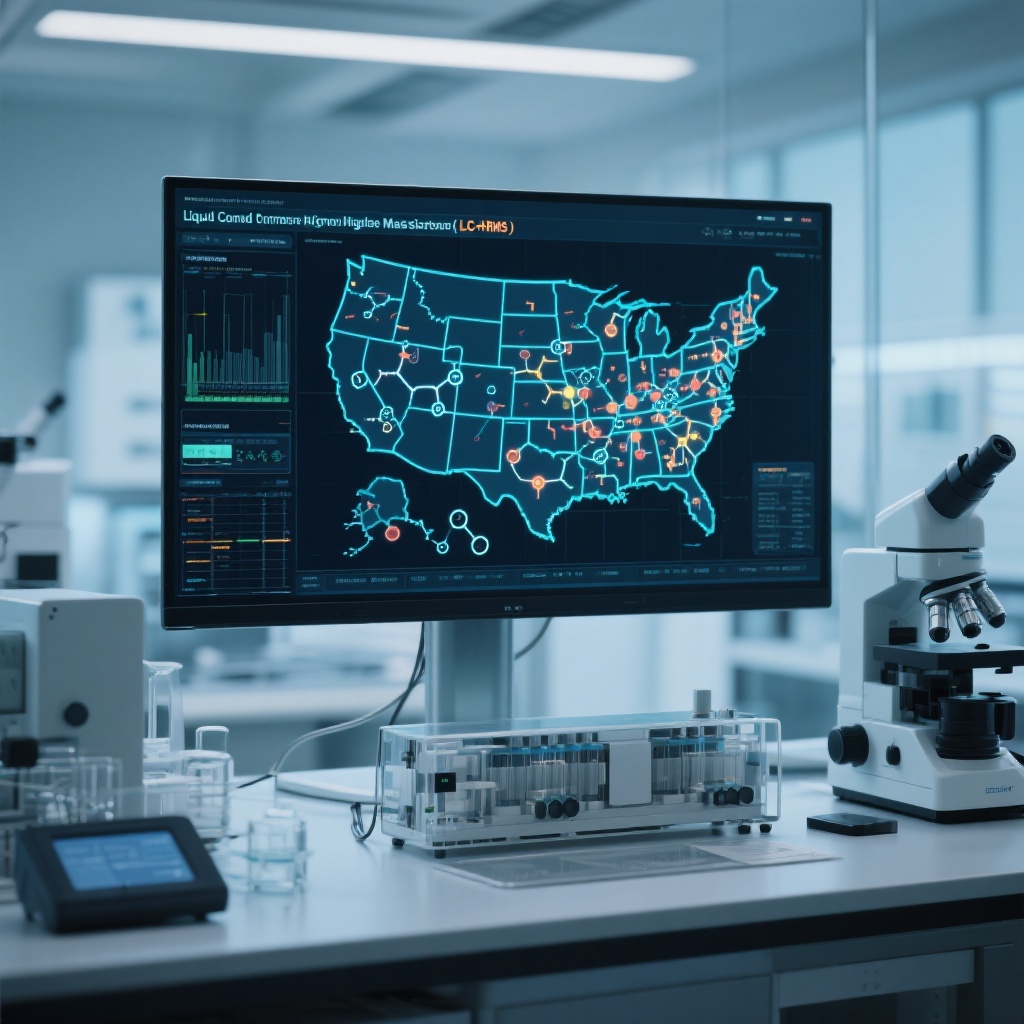
Data collection took place between June 2021 and September 2023 across five cities: New York City, Houston, Los Angeles, Philadelphia, and Washington, DC. Participants underwent comprehensive sociodemographic assessments, including housing status and recent incarceration history. The primary outcome was the toxicologic detection of illicit drugs using liquid chromatography-high-resolution mass spectrometry (LC-HRMS), a highly sensitive method capable of identifying a wide array of substances and their metabolites.

Key Findings: A Crisis of Polysubstance Adulteration

The results of the analysis paint a sobering picture of the current drug environment. Across the total cohort, fentanyl was detected in 93.2% of participants, confirming its position as the foundational element of the illicit opioid market in all five cities. However, the presence of co-occurring substances was the most striking finding.

The Prevalence of Polysubstance Use

Approximately 94.8% of participants tested positive for polysubstance combinations. This includes the co-detection of fentanyl or other opioids with stimulants (cocaine or amphetamine-type stimulants), benzodiazepines, or the veterinary tranquilizer xylazine. The clinical implication of this is profound: the traditional model of treating a single-substance addiction is increasingly obsolete, as the majority of patients are inadvertently or intentionally consuming complex chemical cocktails.

Geographic Hotspots and the Xylazine Surge

While fentanyl was ubiquitous, the prevalence of other substances varied significantly by region. Xylazine, often referred to as tranq, was nearly universal in Philadelphia, detected in 99.1% of participants. The study also documented a significant upward trend in other East Coast cities. In New York City, xylazine detection increased by 10.3% every six months during the study period. Washington, DC, also showed high prevalence (75.6%). In contrast, Houston and Los Angeles reported significantly lower xylazine detection, though experts warn that these markets may soon follow the East Coast trend.

Stimulant Trends and Sociodemographic Vulnerabilities

The detection of stimulants—specifically cocaine and amphetamine-type stimulants (ATS)—remained high. Cocaine was detected in 73.9% of the total sample, while ATS were found in 67.3%. Interestingly, ATS detection in Washington, DC, saw a significant increase of 15.0% every six months. The study also highlighted how social determinants of health influence drug exposure. Cocaine prevalence was 11.4% higher among unhoused participants compared to those with stable housing. Furthermore, individuals with a history of recent incarceration were nearly 10% more likely to test positive for stimulants, suggesting that the transition from correctional facilities back to the community is a period of heightened risk for stimulant-involved drug use.

Clinical Implications and Expert Commentary

The high prevalence of xylazine and stimulants alongside fentanyl necessitates a shift in clinical management. Xylazine, a non-opioid alpha-2 adrenergic agonist, does not respond to naloxone. While naloxone remains the gold standard for reversing the opioid component of an overdose, clinicians must be prepared to provide enhanced respiratory support and manage severe necrotic skin ulcerations associated with chronic xylazine exposure.

The prevalence of stimulants also complicates the treatment of opioid use disorder (OUD). Patients using both fentanyl and stimulants may experience more severe withdrawal symptoms and may have lower retention rates in traditional methadone or buprenorphine programs. Integrated care models—such as the mobile units evaluated in HPTN 094—that address OUD, stimulant use, and primary medical needs (like wound care and HIV prevention) are essential.

Furthermore, the data suggests that much of this polysubstance use may be driven by the unregulated supply rather than individual preference. When the market is saturated with adulterants, PWID lose the ability to manage their own dosage and risk, making real-time drug checking services and public health alerts a vital component of modern harm reduction.

Conclusion

The HPTN 094 study underscores that the overdose crisis in the US has evolved into a complex polysubstance epidemic. With fentanyl now the baseline and xylazine and stimulants rapidly becoming standard additives, the risk of fatal overdose and associated morbidity is higher than ever. Addressing this crisis requires more than just expanding access to medications for OUD; it demands a comprehensive public health response that integrates real-time toxicological surveillance, addresses social vulnerabilities like housing and incarceration, and provides low-barrier, multi-disciplinary care to those most at risk.

Funding and Trial Registration

This research was supported by the HIV Prevention Trials Network (HPTN) and funded by the National Institute of Allergy and Infectious Diseases (NIAID), the National Institute on Drug Abuse (NIDA), and the National Institute of Mental Health (NIMH). The HPTN 094 study is registered at ClinicalTrials.gov (NCT04805125).

References

  1. El-Bassel N, Shoptaw S, Skalland T, et al. Prevalence of Illicit Drug Detection in 5 US Cities Among Out-of-Treatment People Who Inject Drugs. JAMA Netw Open. 2026;9(2):e2555882. doi:10.1001/jamanetworkopen.2025.55882
  2. Friedman J, Shover CL. The 4th wave: surging deaths involving stimulants and fentanyl in the United States. Addiction. 2023;118(11):2102-2111.
  3. Gupta R, Holtgrave DR, Ashburn MA. Xylazine — Medical and Public Health Imperatives. N Engl J Med. 2023;388(24):2209-2212.
Comments

No comments yet. Why don’t you start the discussion?

Để lại một bình luận