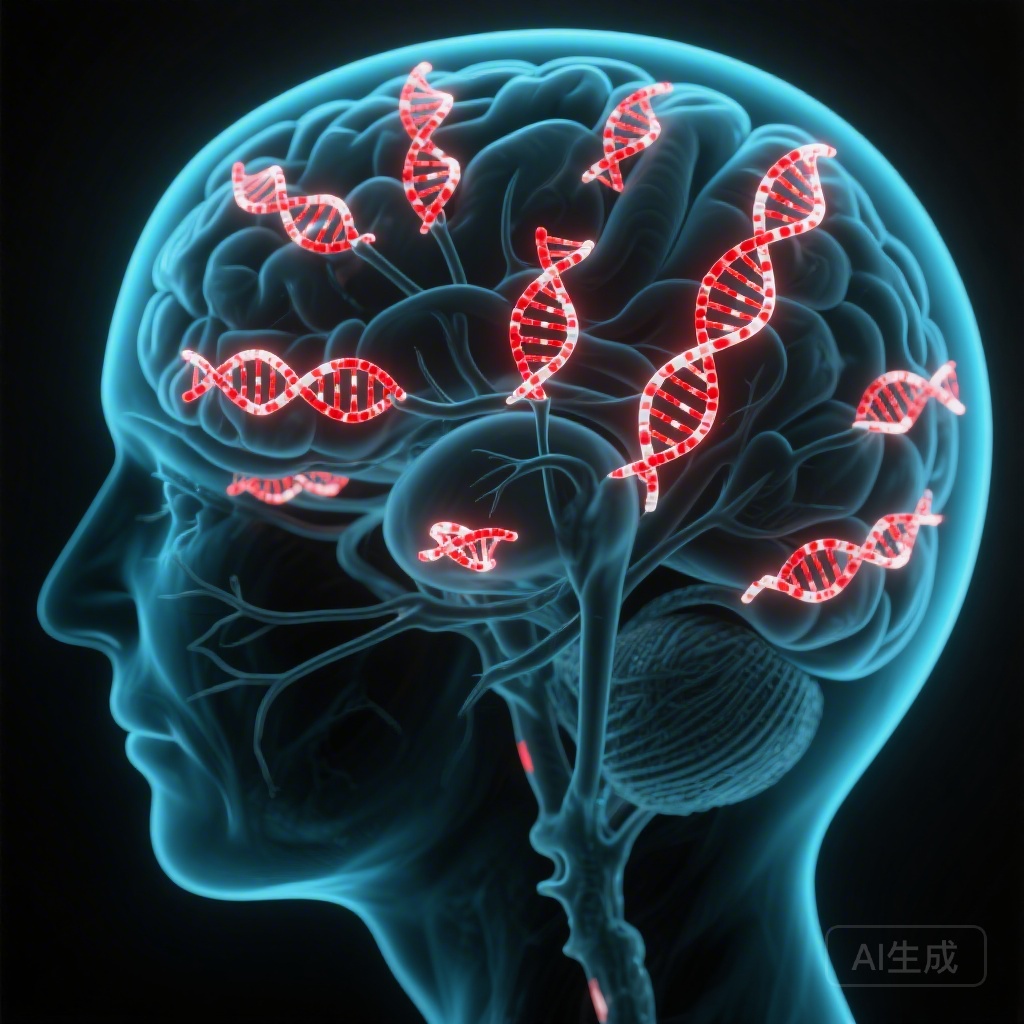
SOMATIC MOSAICISM IN THE MOTOR CORTEX: A NEW FRONTIER IN UNDERSTANDING SPORADIC ALS PATHOGENESIS

SOMATIC MOSAICISM IN THE MOTOR CORTEX: A NEW FRONTIER IN UNDERSTANDING SPORADIC ALS PATHOGENESIS

Nhấn mạnh

Bài báo gần đây trên Brain do González-Velasco và cộng sự cung cấp một góc nhìn đột phá về cấu trúc di truyền của Bệnh Xơ cứng bên cạnh tủy (ALS). Các điểm chính của nghiên cứu bao gồm:

Phát hiện sự phong phú somatic

Sequencing nhắm mục tiêu sâu đã tiết lộ sự phong phú đáng kể của các biến thể somatic có tần số allele thấp trong vỏ não vận động của bệnh nhân ALS không gia đình (sALS), điều này vắng mặt ở các trường hợp gia đình có nguyên nhân dòng sinh.

Biến thể FUS gây bệnh

Việc xác định biến thể somatic FUS p.E516X làm nổi bật một sự kiện di truyền cục bộ gây ra sự phân bố không đúng giữa nhân và chất xơ và sự tích tụ protein đặc trưng trong bệnh lý ALS.

Tích lũy theo loại tế bào cụ thể

Sequencing RNA đơn tế bào (scRNA-seq) đã chứng minh rằng các đột biến somatic này tích lũy cụ thể trong các tế bào thần kinh hưng phấn, hỗ trợ mô hình tự chủ của tế bào thần kinh cho việc khởi phát bệnh trong vỏ não vận động.

Nền tảng: Bất thường di truyền của ALS không gia đình

Bệnh Xơ cứng bên cạnh tủy (ALS) vẫn là một trong những rối loạn thoái hóa thần kinh khó khăn nhất trong y học lâm sàng. Được đặc trưng bởi sự mất dần các tế bào thần kinh vận động trên và dưới, bệnh này dẫn đến suy hô hấp và tử vong, thường trong vòng ba đến năm năm kể từ khi xuất hiện triệu chứng. Mặc dù khoảng 10 phần trăm các trường hợp được phân loại là ALS gia đình (fALS)—thường liên kết với các đột biến dòng sinh trong các gen như SOD1, C9orf72, TARDBP, và FUS—còn lại 90 phần trăm là không gia đình (sALS).

Nguyên nhân của sALS đã lâu được quy cho sự tương tác phức tạp giữa các yếu tố môi trường, lão hóa, và nguy cơ đa gen. Tuy nhiên, các tác nhân chính xác khởi phát chuỗi thoái hóa trong vỏ não vận động vẫn chưa rõ ràng. Sự đa dạng somatic—trong đó một đột biến xảy ra sau giai đoạn hợp tử và chỉ tồn tại trong một tập con tế bào—đã nổi lên như một giải thích tiềm năng cho các rối loạn thần kinh khác nhau, bao gồm các dạng động kinh cục bộ và một số hình thức của Bệnh Alzheimer. Nghiên cứu này nhằm xác định xem các đột biến somatic trong các gen ALS đã biết có thể giải thích sự xuất hiện của sALS hay không.

Thiết kế nghiên cứu: Khám phá cảnh quan đa dạng

Đội ngũ nghiên cứu đã sử dụng một phương pháp genôm đa lớp sử dụng mô vỏ não vận động lấy từ một nhóm bệnh nhân sALS và fALS, cũng như các đối chứng thần kinh. Phương pháp được chia thành hai giai đoạn chính:

Sequencing nhắm mục tiêu sâu

Các nhà nghiên cứu sử dụng bảng sequencing nhắm mục tiêu sâu bao gồm các gen ALS đã biết. Bằng cách đạt được độ phủ cao, họ có thể phát hiện các biến thể có tần số allele thấp (LAF) mà thường bị bỏ qua bởi sequencing toàn bộ exome hoặc toàn bộ gen thông thường. Điều này cho phép xác định các đột biến chỉ tồn tại trong một tỷ lệ nhỏ các tế bào trong mô tổng thể.

Sequencing RNA đơn tế bào (scRNA-seq)

Để hiểu bối cảnh tế bào của các đột biến này, các nhà nghiên cứu đã thực hiện gọi biến thể somatic trên dữ liệu scRNA-seq. Điều này cho phép họ ánh xạ các đột biến đến các dòng tế bào cụ thể, như các tế bào thần kinh hưng phấn, tế bào thần kinh ức chế, astrocytes, và microglia, từ đó xác định các quần thể tế bào nào dễ bị gánh nặng di truyền somatic nhất.

Kết quả chính: Các biến thể somatic và mối liên hệ với FUS

Kết quả của nghiên cứu cung cấp bằng chứng thuyết phục rằng sALS có thể được thúc đẩy bởi các sự kiện di truyền cục bộ.

Sự phong phú của các biến thể somatic trong sALS

Các nhà nghiên cứu quan sát thấy một gánh nặng somatic cao hơn của các biến thể somatic trong vỏ não vận động của bệnh nhân sALS so với cả đối chứng và bệnh nhân fALS có các đột biến dòng sinh monogenic đã xác định. Điều này gợi ý rằng trong trường hợp không có sự dễ bị tổn thương dòng sinh toàn cầu, sự tích lũy của các đột biến hậu hợp tử trong các gen quan trọng có thể đóng vai trò là ‘đòn đánh’ cần thiết để khởi phát thoái hóa thần kinh.

Biến thể FUS p.E516X

Một phát hiện then chốt là việc xác định biến thể somatic FUS p.E516X. Đột biến cụ thể này nằm trong một vị trí nóng cho các đột biến dòng sinh ALS. Qua phân tích in silico và chức năng, đội ngũ đã chứng minh rằng đột biến somatic này dẫn đến sự cắt ngắn của protein FUS. Sự cắt ngắn này làm gián đoạn tín hiệu định vị nhân (NLS), khiến protein phân bố không đúng vào chất xơ nơi nó tạo thành các agregat độc hại. Kết quả này có ý nghĩa quan trọng vì nó mô phỏng bệnh lý phân tử của ALS FUS gia đình, nhưng trong một tập con tế bào cục bộ trong một trường hợp không gia đình.

Các tế bào thần kinh hưng phấn là trung tâm

Phân tích scRNA-seq tiết lộ rằng các biến thể somatic trong các trường hợp sALS không được phân bố ngẫu nhiên trên tất cả các tế bào não. Thay vào đó, có sự tích lũy cụ thể và đáng kể của các đột biến này trong các tế bào thần kinh hưng phấn. Điều này củng cố giả thuyết rằng sALS có thể khởi phát theo cách tự chủ của tế bào thần kinh, trong đó một hoặc một vài tế bào thần kinh hưng phấn đột biến trong vỏ não vận động bắt đầu quá trình bệnh lý sau đó lan rộng khắp hệ thống vận động.

Bình luận chuyên gia và hiểu biết về cơ chế

Hậu quả của nghiên cứu này là sâu sắc cho cả khoa học cơ bản và thần kinh lâm sàng. Việc tìm ra rằng các đột biến somatic trong các gen ‘gia đình’ có thể gây ra bệnh ‘không gia đình’ đã nối liền khoảng cách giữa hai phân loại này. Nó gợi ý rằng các con đường sinh học liên quan đến ALS có khả năng chung, bất kể đột biến ban đầu có được di truyền hay thu được trong quá trình phát triển hoặc lão hóa.

Mô hình hai đòn đánh và mô hình ngẫu nhiên

Nghiên cứu này hỗ trợ mô hình ngẫu nhiên của thoái hóa thần kinh. Trong khung này, thời điểm và vị trí của một đột biến somatic xác định biểu hiện lâm sàng. Một đột biến xảy ra sớm trong quá trình phát triển phôi có thể dẫn đến gánh nặng đột biến cao hơn và khởi phát sớm hơn, trong khi một đột biến xảy ra muộn hơn trong cuộc đời trong một dòng tế bào hạn chế có thể biểu hiện như sALS khởi phát muộn. Điều này có thể giải thích mức độ đa dạng lâm sàng cao được quan sát trong các bệnh nhân ALS.

Hạn chế và khả năng tổng quát

Mặc dù nghiên cứu cung cấp bằng chứng mạnh mẽ cho sự đa dạng somatic, vẫn còn nhiều câu hỏi. Việc sử dụng mô từ khám nghiệm tử thi đại diện cho giai đoạn cuối của bệnh, làm cho việc chứng minh chắc chắn rằng các đột biến này là nguyên nhân chính thay vì hệ quả thứ cấp của sự bất ổn định gen trong quá trình bệnh trở nên khó khăn. Hơn nữa, tần suất của các sự kiện somatic này trong toàn bộ dân số sALS cần được xác nhận trong các nhóm lớn, đa trung tâm.

Kết luận: Hướng tới y học chính xác trong sALS

Nghiên cứu của González-Velasco và cộng sự đánh dấu một sự chuyển đổi về cách chúng ta nhìn nhận ALS không gia đình. Bằng cách chứng minh rằng vỏ não vận động có thể chứa các đột biến somatic gây bệnh, nghiên cứu mở ra các hướng mới cho can thiệp chẩn đoán và điều trị.

Tác động lâm sàng

Nếu các đột biến somatic là nguyên nhân chính của sALS, nỗ lực chẩn đoán trong tương lai có thể bao gồm sequencing siêu sâu của dịch não tủy (CSF) hoặc thậm chí các sinh thiết lỏng dựa trên máu để phát hiện đa dạng. Từ góc độ điều trị, các công nghệ tắt gen (như các oligonucleotide chống nghĩa) nhắm vào các allele đột biến cụ thể có thể được sử dụng để điều trị bệnh nhân có các biến thể somatic đã xác định, đưa sALS gần hơn với lĩnh vực y học chính xác.

Hướng nghiên cứu trong tương lai

Các nghiên cứu thêm cần thiết để xác định các yếu tố môi trường hoặc sinh học tăng tốc độ đột biến somatic trong vỏ não vận động. Ngoài ra, khám phá xem có các mô hình đa dạng tương tự trong các rối loạn thoái hóa thần kinh khác như Bệnh Parkinson hay Dementia Tiền trán đỉnh hay không sẽ rất quan trọng để hiểu vai trò rộng lớn hơn của di truyền somatic trong lão hóa não.

Tài liệu tham khảo

  1. González-Velasco Ó, Parlato R, Yilmaz R, et al. Somatic gene mutations in the motor cortex of patients with sporadic amyotrophic lateral sclerosis. Brain. 2026;149(3):778-784. PMID: 41378777.
  2. Brown AL, et al. TDP-43 loss and ALS-risk variants in sALS. Nature Neuroscience. 2022.
  3. Al-Chalabi A, et al. The genetics of amyotrophic lateral sclerosis: current insights and future perspectives. Lancet Neurology. 2017.
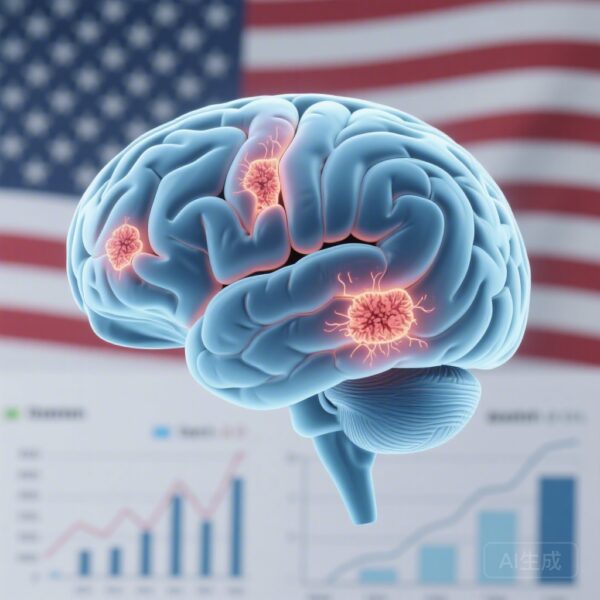

Somatic Mosaicism in the Motor Cortex: A New Frontier in Understanding Sporadic ALS Pathogenesis

Somatic Mosaicism in the Motor Cortex: A New Frontier in Understanding Sporadic ALS Pathogenesis

Highlights

The recent publication in Brain by González-Velasco et al. provides a groundbreaking perspective on the genetic architecture of Amyotrophic Lateral Sclerosis (ALS). The study’s primary highlights include:

Discovery of Somatic Enrichment

Deep targeted sequencing revealed a significant enrichment of low-allele frequency somatic variants in the motor cortex of patients with sporadic ALS (sALS), which were absent in familial cases with known germline causes.

Pathogenic FUS Variants

The identification of the somatic FUS variant p.E516X highlights a localized genetic event that triggers the hallmark nucleo-cytoplasmic mislocalization and protein aggregation seen in ALS pathology.

Cell-Type Specific Accumulation

Single-cell RNA sequencing (scRNA-seq) demonstrated that these somatic mutations specifically accumulate within excitatory neurons, supporting a neuron-autonomous model for disease initiation in the motor cortex.

Background: The Genetic Paradox of Sporadic ALS

Amyotrophic lateral sclerosis (ALS) remains one of the most challenging neurodegenerative disorders in clinical medicine. Characterized by the progressive loss of upper and lower motor neurons, the disease leads to respiratory failure and death, usually within three to five years of symptom onset. While approximately 10 percent of cases are classified as familial ALS (fALS)—often linked to germline mutations in genes such as SOD1, C9orf72, TARDBP, and FUS—the remaining 90 percent are sporadic (sALS).The etiology of sALS has long been attributed to a complex interplay of environmental factors, aging, and polygenic risk. However, the precise triggers that initiate the degenerative cascade in the motor cortex have remained elusive. Somatic mosaicism—where a mutation occurs post-zygotically and is present only in a subset of cells—has emerged as a potential explanation for various neurological disorders, including focal epilepsies and some forms of Alzheimer’s disease. This study sought to determine if somatic mutations in known ALS genes could explain the occurrence of sALS.

Study Design: Probing the Mosaic Landscape

The research team employed a multi-layered genomic approach using autopsy-derived motor cortex tissue from a cohort of sALS and fALS patients, as well as neurological controls. The methodology was divided into two primary phases:

Deep Targeted Sequencing

The investigators used a high-depth targeted sequencing panel encompassing known ALS-associated genes. By achieving high coverage, they were able to detect low-allele frequency (LAF) variants that would typically be missed by standard whole-exome or whole-genome sequencing. This allowed for the identification of mutations present in only a small fraction of the cells within the bulk tissue.

Single-Cell RNA Sequencing (scRNA-seq)

To understand the cellular context of these mutations, the researchers performed somatic variant calling on scRNA-seq data. This enabled them to map mutations to specific cell lineages, such as excitatory neurons, inhibitory neurons, astrocytes, and microglia, thereby identifying which cell populations were most susceptible to somatic genetic burden.

Key Findings: Somatic Variants and the FUS Connection

The study’s results provide compelling evidence that sALS may be driven by localized genetic events.

Enrichment of Somatic Variants in sALS

The researchers observed a higher burden of somatic mosaic variants in the motor cortex of sALS patients compared to both controls and fALS patients with established monogenic germline mutations. This suggests that in the absence of a global germline predisposition, the accumulation of post-zygotic mutations in key genes may serve as the necessary ‘hit’ to trigger neurodegeneration.

The FUS p.E516X Variant

A pivotal discovery was the identification of the somatic FUS variant p.E516X. This specific mutation is located in a known hotspot for germline ALS mutations. Through in silico and functional analysis, the team demonstrated that this somatic mutation leads to the truncation of the FUS protein. This truncation disrupts the nuclear localization signal (NLS), causing the protein to mislocalize to the cytoplasm where it forms toxic aggregates. This finding is significant because it mimics the molecular pathology of familial FUS-ALS, but within a localized subset of cells in a sporadic case.

Excitatory Neurons as the Focal Point

The scRNA-seq analysis revealed that somatic variants in sALS cases were not randomly distributed across all brain cells. Instead, there was a specific and significant accumulation of these mutations within excitatory neurons. This reinforces the hypothesis that sALS may initiate in a neuron-autonomous manner, where a single or a few mutated excitatory neurons in the motor cortex begin the pathological process that eventually spreads throughout the motor system.

Expert Commentary and Mechanistic Insights

The implications of this study are profound for both basic science and clinical neurology. The finding that somatic mutations in ‘familial’ genes can cause ‘sporadic’ disease bridges the gap between these two classifications. It suggests that the biological pathways involved in ALS are likely shared, regardless of whether the initial mutation was inherited or acquired during development or aging.

The Two-Hit and Stochastic Models

This research supports a stochastic model of neurodegeneration. In this framework, the timing and location of a somatic mutation determine the clinical phenotype. A mutation occurring early in embryonic development might lead to a higher mutational burden and earlier onset, whereas a mutation occurring later in life in a restricted lineage might manifest as late-onset sALS. This could explain the high degree of clinical heterogeneity observed in ALS patients.

Limitations and Generalizability

While the study provides strong evidence for somatic mosaicism, several questions remain. The use of autopsy tissue represents the end-stage of the disease, making it difficult to definitively prove that these mutations were the primary cause rather than a secondary consequence of genomic instability during the disease process. Furthermore, the frequency of these somatic events across the entire sALS population needs to be validated in larger, multi-center cohorts.

Conclusion: Moving Toward Precision Medicine in sALS

The study by González-Velasco et al. marks a paradigm shift in how we view sporadic ALS. By demonstrating that the motor cortex can harbor pathogenic somatic mutations, the research opens new avenues for diagnostic and therapeutic intervention.

Clinical Impact

If somatic mutations are a major driver of sALS, future diagnostic efforts might include ultra-deep sequencing of cerebrospinal fluid (CSF) or even blood-based liquid biopsies to detect mosaicism. From a therapeutic perspective, gene-silencing technologies (such as antisense oligonucleotides) that target specific mutant alleles could theoretically be used to treat patients with identified somatic variants, moving sALS closer to the realm of precision medicine.

Future Research Directions

Further studies are needed to determine the environmental or biological factors that increase the rate of somatic mutations in the motor cortex. Additionally, exploring whether similar mosaic patterns exist in other neurodegenerative diseases, such as Parkinson’s or Frontotemporal Dementia, will be essential for understanding the broader role of somatic genetics in brain aging.

References

1. González-Velasco Ó, Parlato R, Yilmaz R, et al. Somatic gene mutations in the motor cortex of patients with sporadic amyotrophic lateral sclerosis. Brain. 2026;149(3):778-784. PMID: 41378777.
2. Brown AL, et al. TDP-43 loss and ALS-risk variants in sALS. Nature Neuroscience. 2022.
3. Al-Chalabi A, et al. The genetics of amyotrophic lateral sclerosis: current insights and future perspectives. Lancet Neurology. 2017.
Comments

No comments yet. Why don’t you start the discussion?

Để lại một bình luận