Highlights
• The SEE program improved mean medication adherence by 19.7 percentage points compared to standard education
• 54.9% of intervention participants achieved ≥80% adherence vs 23.7% in controls
• The intervention reduced glaucoma-related distress with an adjusted difference of -0.3 points
• Non-physician delivered coaching with three in-person/4 phone sessions proved effective
Background
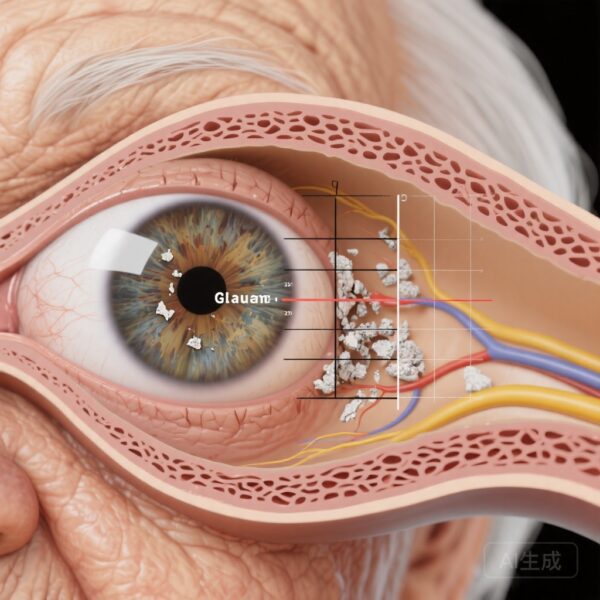
Glaucoma affects over 3 million Americans, with medication nonadherence rates reaching 50-80%. Poor adherence to intraocular pressure-lowering drops is the leading preventable cause of glaucomatous vision loss, creating substantial public health and economic burdens. Traditional patient education methods often fail to sustain behavioral change, necessitating innovative approaches like the SEE program’s motivational interviewing framework.
Study Design
Participants and Methods
This parallel, nonmasked RCT enrolled 235 adults (mean age 67.3 years, 53% female) from University of Michigan and Henry Ford Health System (2021-2023). Eligible participants had glaucoma, used ≥1 eye drop, and self-reported ≤85% adherence. The trial used 1:1 randomization to SEE intervention (n=117) or control (n=118).
Interventions
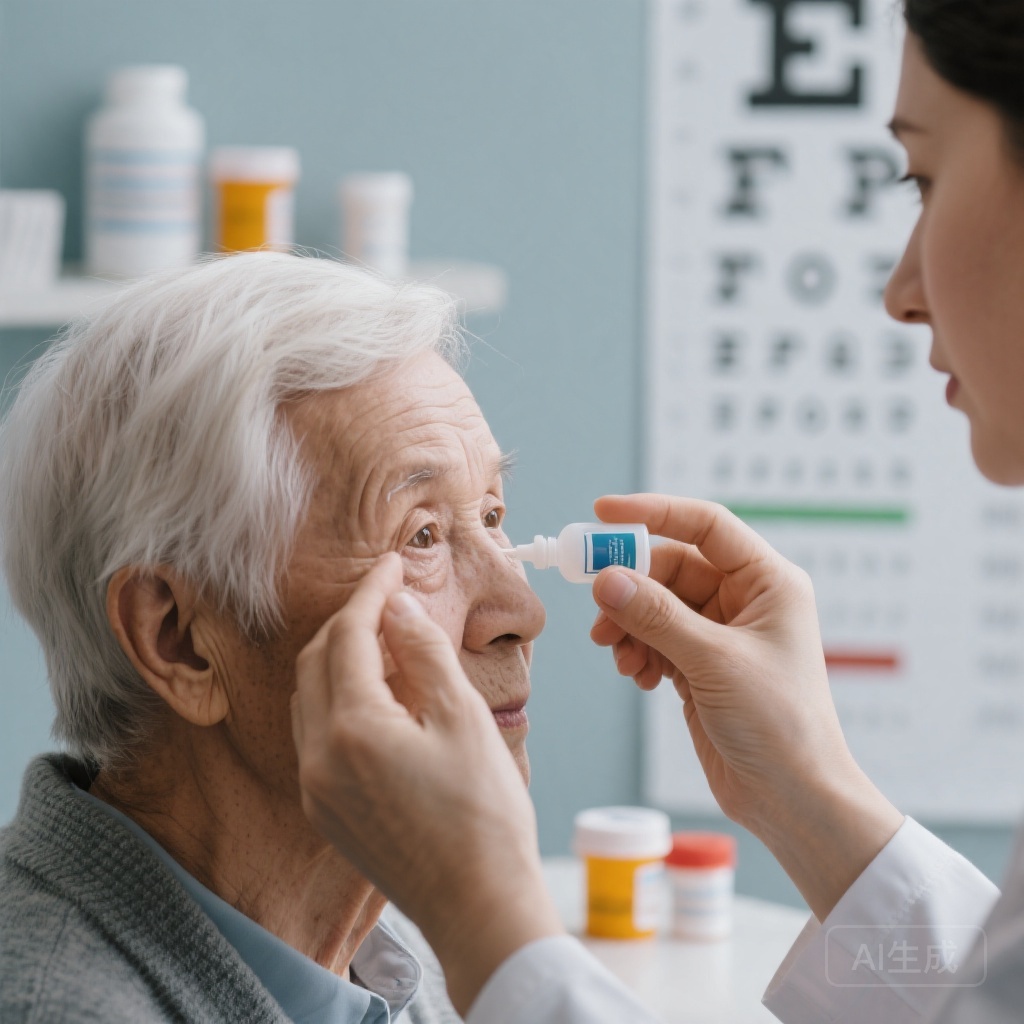
The experimental arm received: 1) 6-month health coaching by trained non-physicians, 2) 3 in-person sessions, 3) 4 phone check-ins, 4) personalized multimedia education, and 5) automated reminders. Controls received standard written education via 3 mailings. Adherence was electronically monitored via AdhereTech smart bottles.
Outcomes
Primary endpoint was percentage of prescribed doses taken on-time over 6 months. Secondary outcomes included glaucoma-related distress (GloSS scale) and proportion achieving ≥80% adherence.
Key Findings
Primary Outcome
The SEE group demonstrated significantly higher medication adherence (mean 77.6% vs 58.0%, difference 19.7%, 95% CI 13.7-25.6, p<0.001). The number needed to treat (NNT) for achieving ≥80% adherence was 3.2. Effect sizes remained consistent across age, sex, and baseline adherence subgroups.
Secondary Outcomes
Intervention participants were 2.3 times more likely to achieve clinically meaningful adherence (≥80%). Glaucoma distress scores improved modestly but significantly (adjusted difference -0.3, 95% CI -0.5 to -0.1). No adverse events were reported related to the coaching intervention.
Expert Commentary
The results align with behavioral theory suggesting that sustained adherence requires addressing both capability (“know-how”) and motivation (“want-to”). The 20% absolute improvement exceeds effect sizes from most digital health interventions for chronic conditions. However, real-world implementation challenges include reimbursement for non-physician coaches and technological literacy barriers in elderly populations. Notably, the study didn’t assess long-term durability beyond 6 months or direct impact on visual field preservation.
Conclusion
The SEE program provides a scalable blueprint for improving glaucoma medication adherence through structured behavioral support. Integrating similar coaching models into clinical workflows could prevent thousands of cases of avoidable vision loss annually. Future research should evaluate cost-effectiveness and integration with tele-ophthalmology platforms.
Trial Registration
ClinicalTrials.gov Identifier: NCT04735653
References
1. Newman-Casey PA, et al. JAMA Ophthalmol. 2026;144(4):299-306
2. Weinreb RN, et al. Lancet. 2017;390(10108):2183-2193 (Glaucoma epidemiology)
3. Boland MV, et al. Ophthalmology. 2023;130(2):127-136 (Adherence interventions review)