Introduction: The Shifting Landscape of Steatotic Liver Disease
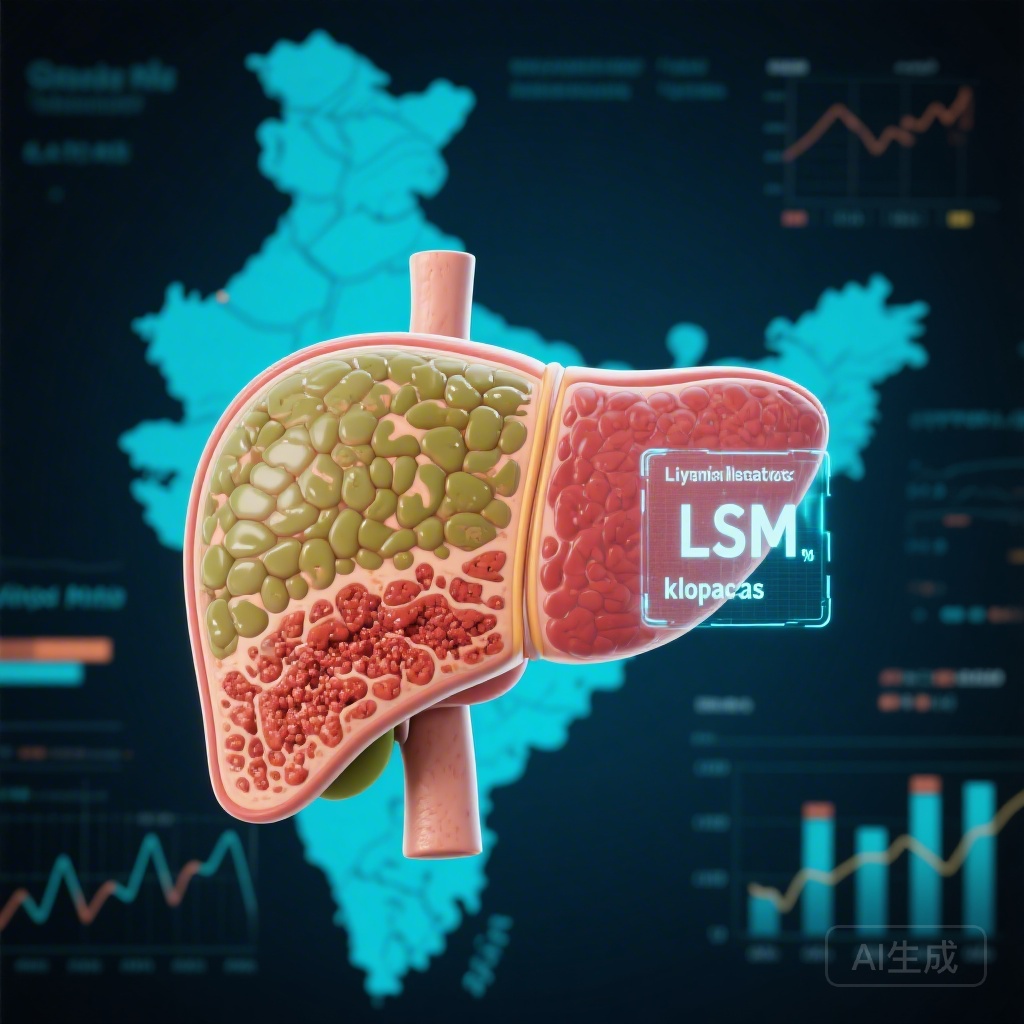
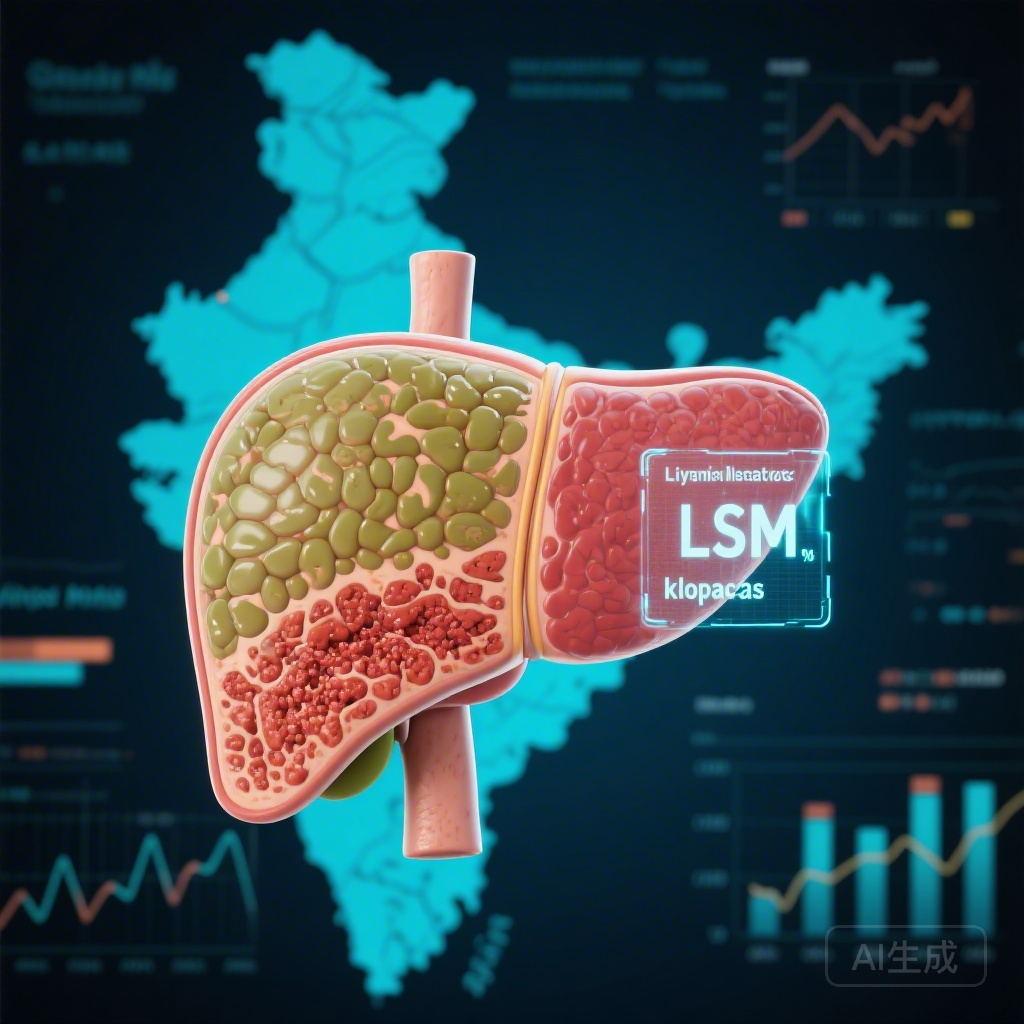
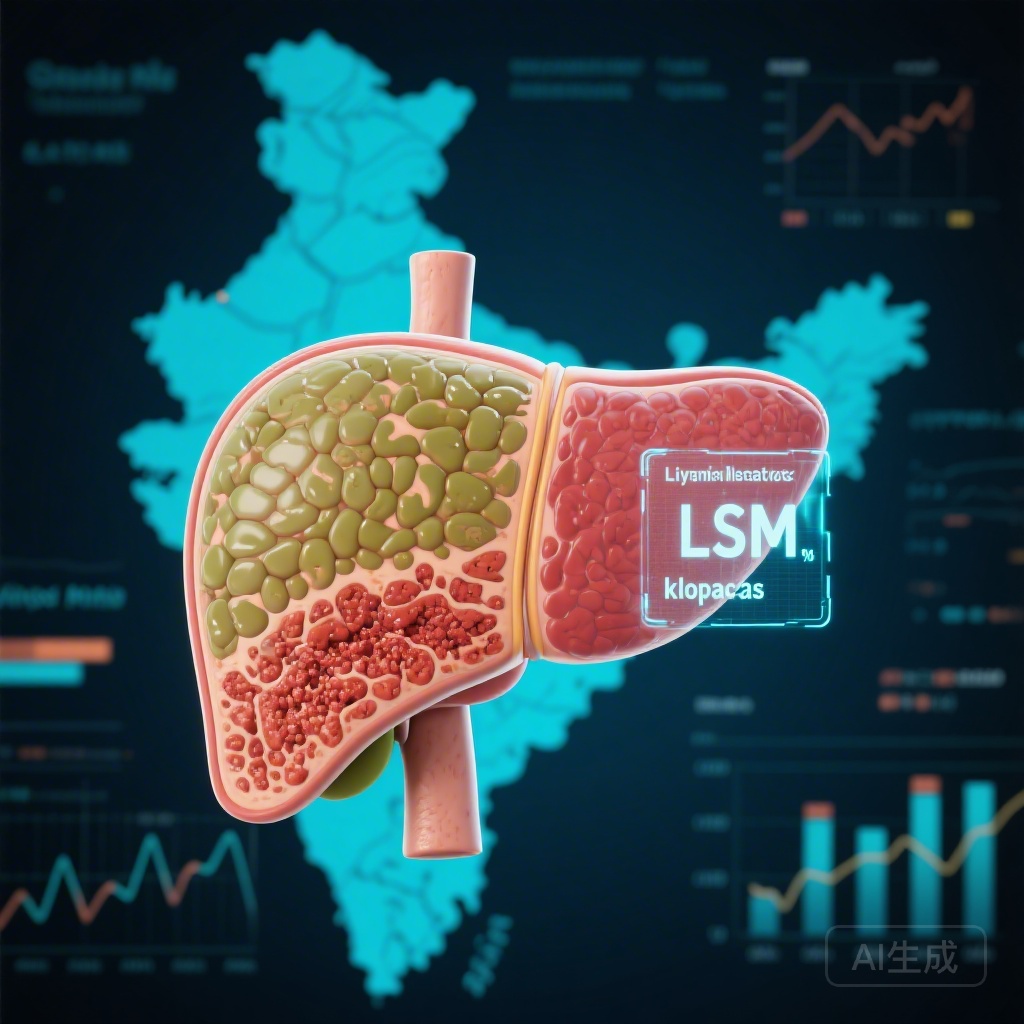
Metabolic-dysfunction-associated steatotic liver disease (MASLD), formerly known as non-alcoholic fatty liver disease (NAFLD), has emerged as a primary driver of chronic liver disease worldwide. This change in nomenclature, finalized in 2023 by global hepatology societies, reflects a shift toward a more affirmative, non-stigmatizing definition that emphasizes the underlying metabolic drivers—such as obesity, type 2 diabetes, and dyslipidemia. In India, a country undergoing rapid nutritional and lifestyle transitions, the burden of MASLD is suspected to be substantial. However, until recently, community-based data across diverse geographical regions were limited. The Phenome India cohort study provides a critical, large-scale assessment of this burden, offering a granular look at the prevalence of MASLD and its more severe consequence: liver fibrosis.
Study Design and the Phenome India Framework
The Phenome India cohort represents one of the most comprehensive multi-center prospective studies in the region. This specific analysis utilized a robust sample of 10,267 adults recruited across 37 laboratories of the Council of Scientific and Industrial Research (CSIR), spanning 27 Indian cities. By including current employees, retirees, and their spouses, the study captured a broad age range and diverse socio-cultural backgrounds.
Methodology and Assessment Tools
The researchers employed Transient Elastography (TE), commonly known by the brand name FibroScan, to assess both hepatic steatosis and fibrosis. Steatosis was quantified via the Controlled Attenuation Parameter (CAP), while fibrosis was measured through Liver Stiffness Measurement (LSM). This non-invasive approach is considered the gold standard for large-scale epidemiological studies, as it provides immediate results with high diagnostic accuracy compared to historical serum-based markers. The study integrated these physical measurements with comprehensive clinical, biochemical, cytokine, and anthropometric data to provide a holistic view of the participants’ metabolic health.
Key Findings: A High Prevalence of Metabolic Dysfunction
Of the 10,267 individuals screened, 7,764 met the inclusion criteria for the final analysis. The results are striking and suggest that MASLD is no longer a niche clinical concern but a public health crisis in India.
MASLD Prevalence
The study found that 47.8% (3,712 individuals) of the cohort fulfilled the criteria for MASLD. After adjusting for age, the prevalence remained high at 38.9% (95% CI 37.2–40.6). This indicates that nearly four out of every ten adults in this urban and semi-urban cohort are living with metabolic-related liver fat accumulation. This figure is significantly higher than previous estimates in many other Asian populations, suggesting a unique vulnerability in the Indian demographic.
Liver Fibrosis: Identifying the High-Risk Subgroups
While steatosis is the hallmark of MASLD, the clinical prognosis is largely determined by the degree of liver fibrosis. The study defined significant fibrosis as an LSM ≥8.2 kPa (corresponding to stage F2 or higher).
Significant fibrosis was significantly more frequent in the MASLD group (6.3%) compared to those without MASLD (1.7%). The overall age-adjusted prevalence of significant fibrosis in the entire cohort was 2.4%. However, the risk was not uniformly distributed. The researchers identified specific high-risk clusters where the prevalence of fibrosis was markedly elevated:
1. Older Adults: Individuals over the age of 60 showed higher rates of advanced liver stiffness.
2. Diabetics: Type 2 diabetes remained one of the strongest predictors of advanced disease.
3. Obesity Class II: Those with a high Body Mass Index (BMI) were disproportionately affected.
Regional Disparities and the Indian Phenotype
One of the most valuable insights from the Phenome India cohort is the evidence of regional variation. India is a subcontinent of immense genetic, dietary, and lifestyle diversity. The study noted site-specific disparities in MASLD prevalence, which may be attributed to regional variations in carbohydrate consumption, physical activity levels, and perhaps genetic predispositions such as the PNPLA3 gene variant, which is known to be prevalent in certain South Asian populations.
The Thin-Fat Phenotype
The findings also touch upon the “Asian Indian Phenotype,” characterized by lower BMI but higher visceral fat, increased insulin resistance, and a higher risk of metabolic complications at lower weight thresholds. This explains why MASLD was observed even in individuals who might not be considered obese by Western standards, emphasizing the need for India-specific screening guidelines.
Expert Commentary: Clinical and Public Health Implications
The results from the Phenome India cohort necessitate a shift in how clinicians approach metabolic health. For years, liver health was often secondary to cardiovascular or endocrine concerns. However, the high prevalence of significant fibrosis (4.1% within the MASLD subgroup) suggests that a substantial number of individuals are at risk of progressing to cirrhosis or hepatocellular carcinoma (HCC).
The Role of Screening
Transient Elastography is a powerful tool, but its availability is currently limited to tertiary care centers in India. Given that significant fibrosis often remains asymptomatic until advanced stages, there is a strong argument for integrating non-invasive screening—such as the FIB-4 index (based on age, AST, ALT, and platelet count)—into primary care settings for high-risk groups, such as those with diabetes or metabolic syndrome.
Biological Plausibility and Cytokines
The study’s inclusion of cytokine data provides a window into the inflammatory milieu of MASLD. Chronic low-grade inflammation, driven by adipose tissue dysfunction, leads to the release of pro-inflammatory cytokines that accelerate the transition from simple steatosis to metabolic-dysfunction-associated steatohepatitis (MASH) and subsequent fibrosis. Understanding these pathways is essential for the development of targeted pharmacotherapies, of which there are currently few approved options.
Limitations and Future Directions
While the study is robust, it is important to acknowledge certain limitations. The cohort predominantly consisted of CSIR staff and their families, who may represent a more health-conscious or socioeconomically stable segment of the population compared to the general rural public. Furthermore, as a cross-sectional assessment of prevalence, the study cannot definitively establish the temporal sequence of disease progression.
Large-scale longitudinal studies are now required to track these participants over time. This will help clarify how MASLD interacts with other regional health challenges and determine the long-term cardiovascular and hepatic outcomes of this specific cohort.
Conclusion: A Call to Action
The Phenome India cohort study serves as a wake-up call for the Indian healthcare system. With MASLD affecting over one-third of the participants, the potential future burden of end-stage liver disease is daunting. Community-based awareness, early screening for fibrosis in diabetic and obese populations, and targeted public health interventions—focusing on nutrition and physical activity—are essential to curb this rising tide. As the nomenclature moves toward MASLD, our clinical focus must similarly move toward an integrated approach that treats the liver as a central organ in metabolic health.
Funding and Acknowledgments
This work was supported by the Council of Scientific and Industrial Research (CSIR), India, under grant HCP47. The authors express gratitude to the members of the Phenome India Consortium and the thousands of participants across the 27 participating cities.
References
1. Arvind M, Verma A, K SR, et al. Burden of MASLD and liver fibrosis: evidence from Phenome India cohort. Lancet Reg Health Southeast Asia. 2026 Feb 3;45:100723. doi: 10.1016/j.lansea.2026.100723.
2. Rinella ME, Lazarus JV, Ratziu V, et al. A multi-society Delphi consensus statement on new nomenclature for steatotic liver disease. Hepatology. 2023;78(6):1966-1980.
3. Eslam M, Sarin SK, Wong VW, et al. The Asian Pacific Association for the Study of the Liver clinical practice guidelines for the diagnosis and management of metabolic associated fatty liver disease. Hepatol Int. 2020;14(6):889-919.