Introduction: Addressing the Neuroinflammatory Gap in Stroke Care
Acute ischaemic stroke (AIS) remains a leading cause of long-term disability worldwide. While the advancement of reperfusion therapies—specifically intravenous thrombolysis and mechanical thrombectomy—has revolutionized acute management, these interventions are constrained by narrow therapeutic windows and are not universally accessible. Furthermore, even after successful reperfusion, many patients suffer from secondary brain injury driven by a cascade of neuroinflammation. There is a pressing clinical need for neuroprotective agents that can mitigate this damage and extend the therapeutic window for a broader patient population.
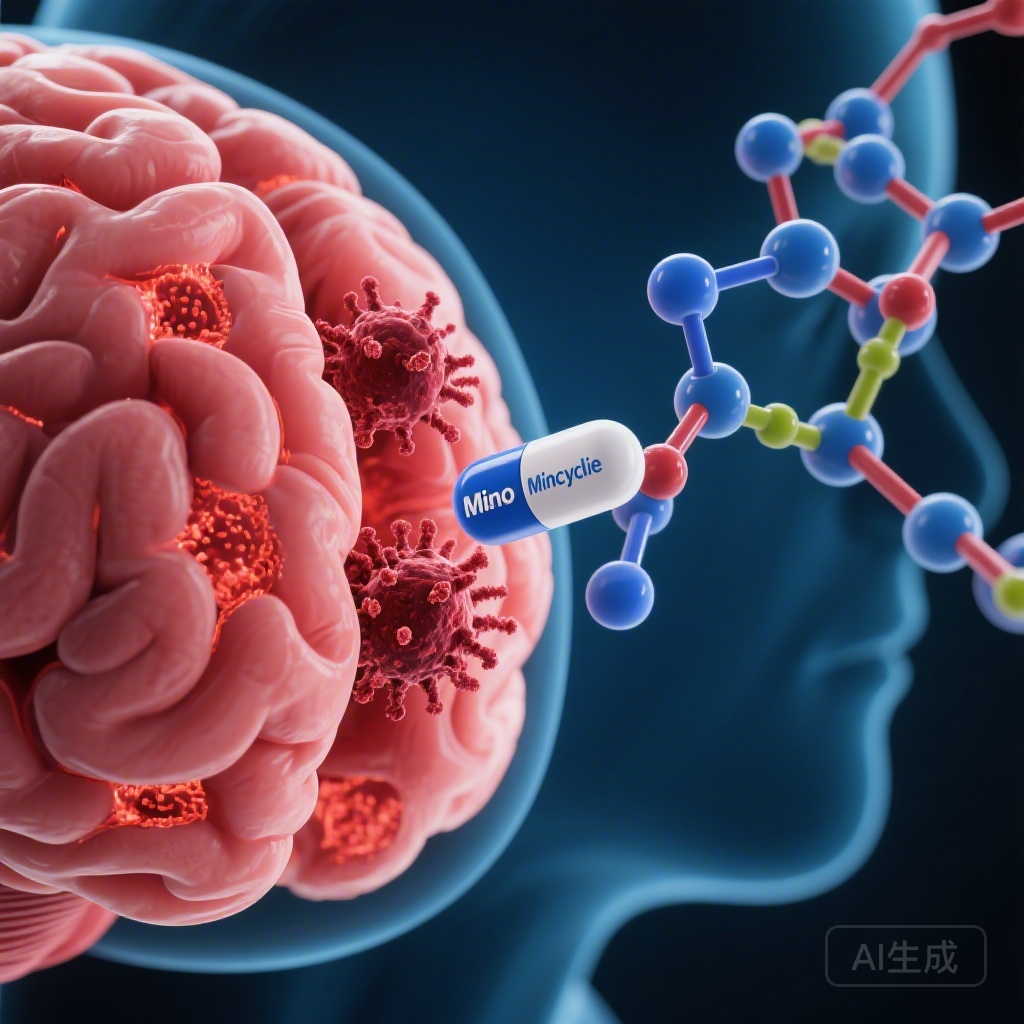
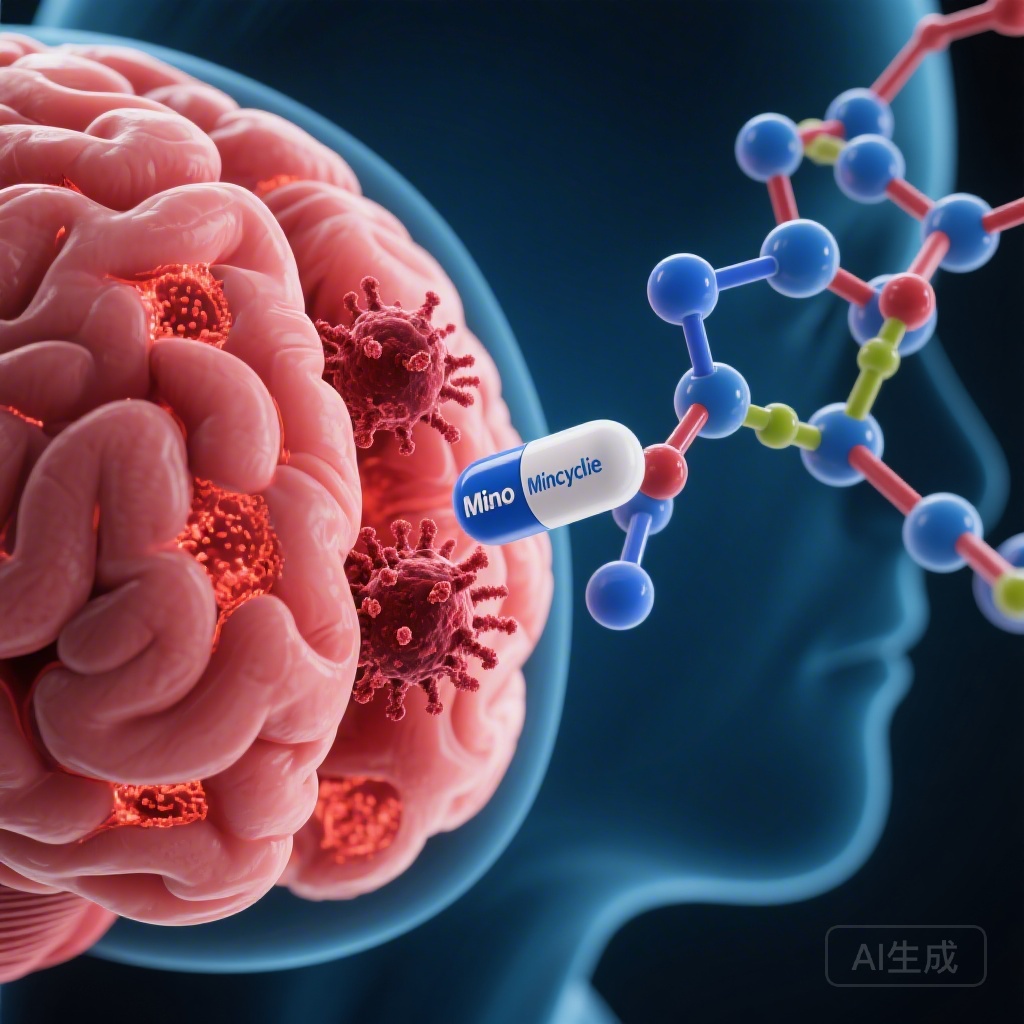
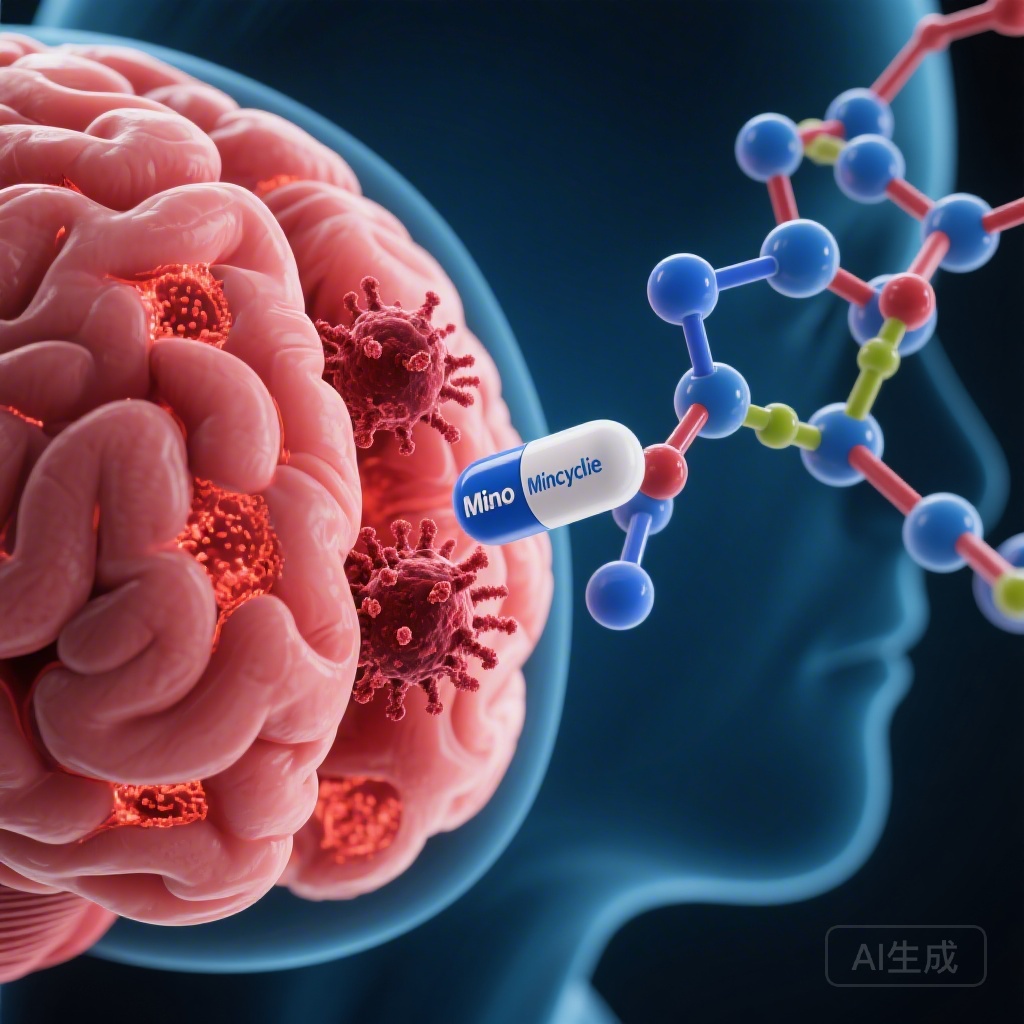
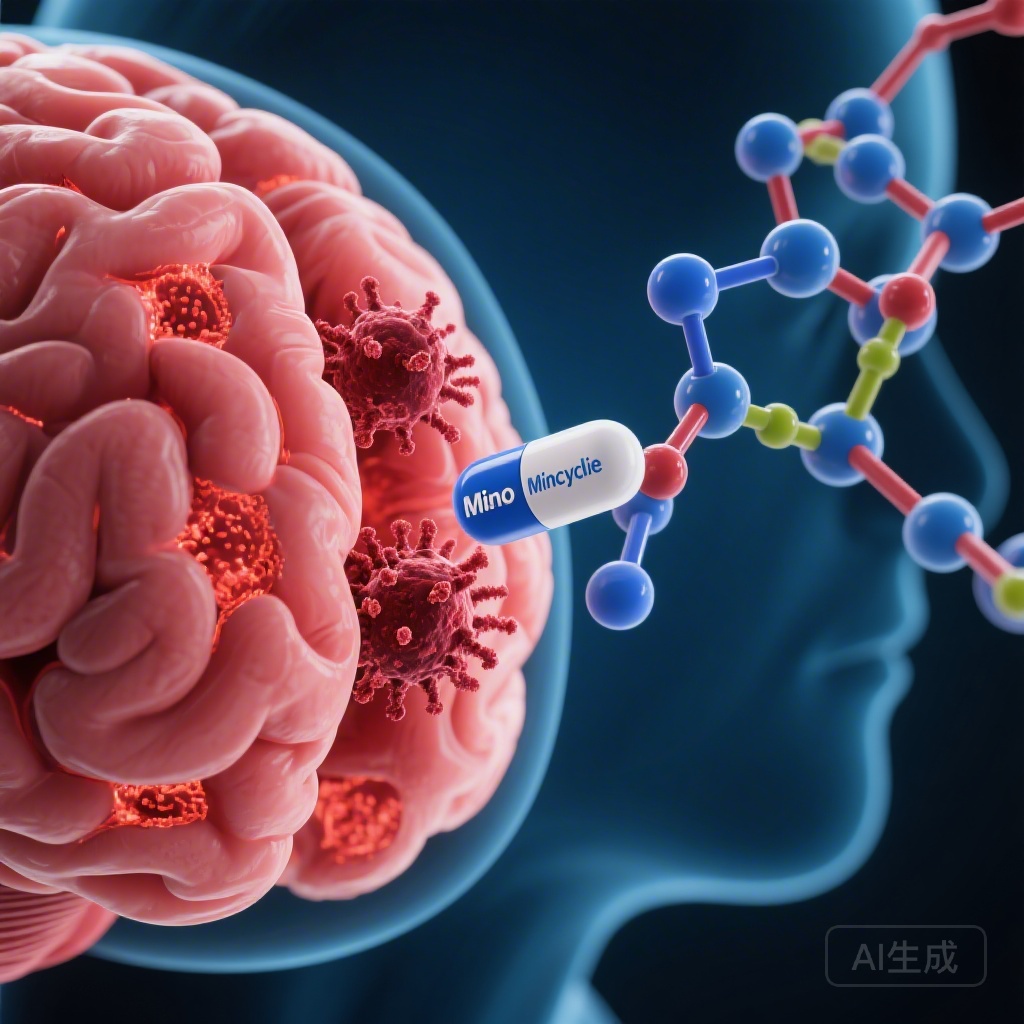
Minocycline, a second-generation tetracycline antibiotic, has emerged as a promising candidate for neuroprotection. Beyond its antimicrobial properties, minocycline is highly lipophilic, allowing it to cross the blood-brain barrier effectively. Preclinical evidence suggests it targets multiple pathways involved in the ischaemic cascade, including the inhibition of microglial activation, the suppression of matrix metalloproteinases (particularly MMP-9), and the reduction of pro-apoptotic signaling. Despite these encouraging signals, previous small-scale clinical studies provided inconsistent results. The Efficacy and Safety of Minocycline in Patients with Acute Ischaemic Stroke (EMPHASIS) trial was designed to provide the definitive high-level evidence required to determine its clinical utility.
Highlights of the EMPHASIS Trial
The trial produced several landmark findings that could shift the landscape of post-stroke care:
1. Primary Outcome: Patients treated with minocycline within 72 hours of stroke onset showed a statistically significant improvement in functional independence (mRS 0-1) at 90 days compared to the placebo group.
2. Broad Therapeutic Window: The benefit was observed even when treatment was initiated up to 72 hours after the event, offering a significantly longer window than current reperfusion strategies.
3. Safety Profile: There was no significant increase in symptomatic intracranial haemorrhage or other serious adverse events, confirming the safety of minocycline in this vulnerable population.
4. Comprehensive Benefit: Ordinal analysis across the full range of the modified Rankin Scale (mRS) favored the minocycline group, indicating a general shift toward better outcomes.
Study Design and Methodology
EMPHASIS was a multicentre, double-blind, randomised, placebo-controlled trial conducted across 58 hospitals in China. The study enrolled 1,724 patients between May 2023 and May 2024. Eligible participants were adults who had experienced an ischaemic stroke within the previous 72 hours, with a National Institutes of Health Stroke Scale (NIHSS) score between 4 and 25 and maintained a level of consciousness (NIHSS subscale 1a score of 1 or less).
Participants were randomly assigned in a 1:1 ratio to receive either minocycline or a matching placebo. The minocycline regimen consisted of a 200 mg oral loading dose, followed by 100 mg every 12 hours for four consecutive days. This regimen was added to routine standard-of-care stroke treatment. Randomization was stratified by study site using a computer-generated sequence to ensure balance. All stakeholders—including patients, clinicians, and outcome assessors—remained fully masked to the treatment allocation throughout the 90-day follow-up period.
The primary endpoint was an excellent functional outcome at 90 days, defined as a score of 0 or 1 on the modified Rankin Scale (mRS). Secondary endpoints included the distribution of mRS scores at 90 days (ordinal analysis) and safety metrics such as the incidence of symptomatic intracranial haemorrhage (sICH) and serious adverse events (SAEs).
Key Findings: Efficacy and Functional Independence
The trial results demonstrated a clear benefit for the minocycline intervention. Of the 850 patients in the minocycline group who completed the primary outcome assessment, 447 (52.6%) achieved an mRS score of 0-1. In contrast, 403 (47.4%) of the 851 patients in the placebo group reached this level of recovery. This corresponds to an adjusted risk ratio (aRR) of 1.11 (95% CI 1.03-1.20; p=0.0061).
Beyond the primary binary endpoint, the ordinal analysis (shift analysis) across the entire range of mRS scores also favored minocycline. The adjusted common odds ratio was 1.19 (95% CI 1.03-1.38; p=0.018), suggesting that minocycline improved the likelihood of a better functional outcome across the spectrum of stroke severity included in the trial. These findings were robust across various prespecified subgroups, indicating that the neuroprotective effect of minocycline is consistent across a diverse patient population.
Safety Analysis
A critical concern for any neuroprotective agent in the context of acute stroke is the risk of exacerbating haemorrhage or causing systemic toxicity. The EMPHASIS trial provided reassuring safety data. The incidence of symptomatic intracranial haemorrhage (sICH) was extremely low and balanced between the groups. At 24 hours post-randomization, sICH occurred in 0.1% of the minocycline group versus 0% in the placebo group. By day 6, the rates were 0.3% and 0%, respectively, with no statistical significance.
Serious adverse events (SAEs) occurred in 4.6% of patients in the minocycline group and 5.9% in the placebo group (p=0.24). This indicates that the short-term, high-dose minocycline regimen was well-tolerated and did not introduce significant risks to patients recovering from acute ischaemia.
Expert Commentary: Mechanistic Insights and Clinical Implications
Biological Plausibility
The success of the EMPHASIS trial likely stems from minocycline’s multi-target approach to neuroprotection. Unlike agents that target a single receptor, minocycline addresses several facets of the ischaemic cascade. By inhibiting MMP-9, it helps preserve the integrity of the blood-brain barrier, potentially reducing oedema. By modulating microglial phenotypes from a pro-inflammatory (M1-like) to an anti-inflammatory (M2-like) state, it limits the ‘bystander’ damage to healthy neurons surrounding the infarct core. This multifaceted action is particularly relevant in the subacute phase (up to 72 hours), where neuroinflammation is a dominant driver of lesion expansion.
Clinical Significance
The clinical implications of these findings are substantial. Minocycline is an inexpensive, off-patent, and widely available drug. Its oral administration makes it feasible for use in various healthcare settings, including those without advanced interventional suites. The 72-hour window is particularly noteworthy; it suggests that even patients who arrive late to the hospital or those who are ineligible for thrombolysis can still benefit from a neuroprotective intervention.
However, limitations must be acknowledged. The study primarily enrolled patients with moderate stroke severity (median NIHSS of 5). Whether these benefits extend to very severe strokes (NIHSS > 25) or very minor strokes (NIHSS < 4) remains to be determined. Additionally, the study was conducted in China, and while there is no biological reason to suspect different results in other populations, global validation would strengthen the case for widespread adoption into clinical guidelines.
Conclusion: A New Tool for Stroke Recovery
The EMPHASIS trial represents a major milestone in stroke research, providing high-quality evidence that minocycline is both safe and effective for improving functional outcomes after acute ischaemic stroke. By successfully demonstrating benefit in a large-scale RCT, minocycline has moved from a theoretical neuroprotectant to a clinically viable therapy. Future research should focus on optimizing the therapeutic window even further and exploring potential synergistic effects with mechanical thrombectomy. For now, the EMPHASIS data supports the consideration of minocycline as a valuable addition to the acute stroke treatment armamentarium.
Funding and Trial Information
This study was funded by several prestigious organizations, including the National Natural Science Foundation of China, the Beijing Healthunion Cardio-cerebrovascular Disease Prevention and Treatment Foundation, and the National Key R&D Program of China. The trial is registered with ClinicalTrials.gov under the identifier NCT05836740.
Reference
Lu Y, Guan L, Wu J, Yang Q, Zhang M, Zhou D, Yang H, Pan Y, Wang L, Qiu B, Liu C, Wang Y, Yang Y, Zhou X, Qu H, Liao X, Liu L, Zhao X, Bath PM, Johnston SC, Amarenco P, Turc G, Shi FD, Wang Y, Wang Y; EMPHASIS Investigators. Efficacy and safety of minocycline in patients with acute ischaemic stroke (EMPHASIS): a multicentre, double-blind, randomised controlled trial. Lancet. 2026 Feb 14;407(10529):679-688. doi: 10.1016/S0140-6736(25)01862-8. Epub 2026 Jan 30. PMID: 41628627.