Epcoritamab单药治疗Richter转化:EPCORE CLL-1试验的临床意义结果

Epcoritamab单药治疗Richter转化:EPCORE CLL-1试验的临床意义结果

引言:Richter转化中的未满足需求

Richter转化(RT),即慢性淋巴细胞白血病(CLL)或小淋巴细胞淋巴瘤(SLL)患者发展为侵袭性淋巴瘤(最常见的是弥漫性大B细胞淋巴瘤(DLBCL)),是临床血液学中最具挑战性的难题之一。历史上,RT患者的预后极为不乐观,中位生存期通常在6至12个月之间。特别是那些接受过BTK抑制剂或BCL-2抑制剂等CLL定向治疗的患者,这些治疗往往选择出高风险基因特征,如TP53异常和复杂核型。标准的化疗免疫治疗方案(如R-CHOP)通常只能产生短暂的反应并伴有显著的毒性,这突显了对新型、靶向治疗方法的迫切需求。

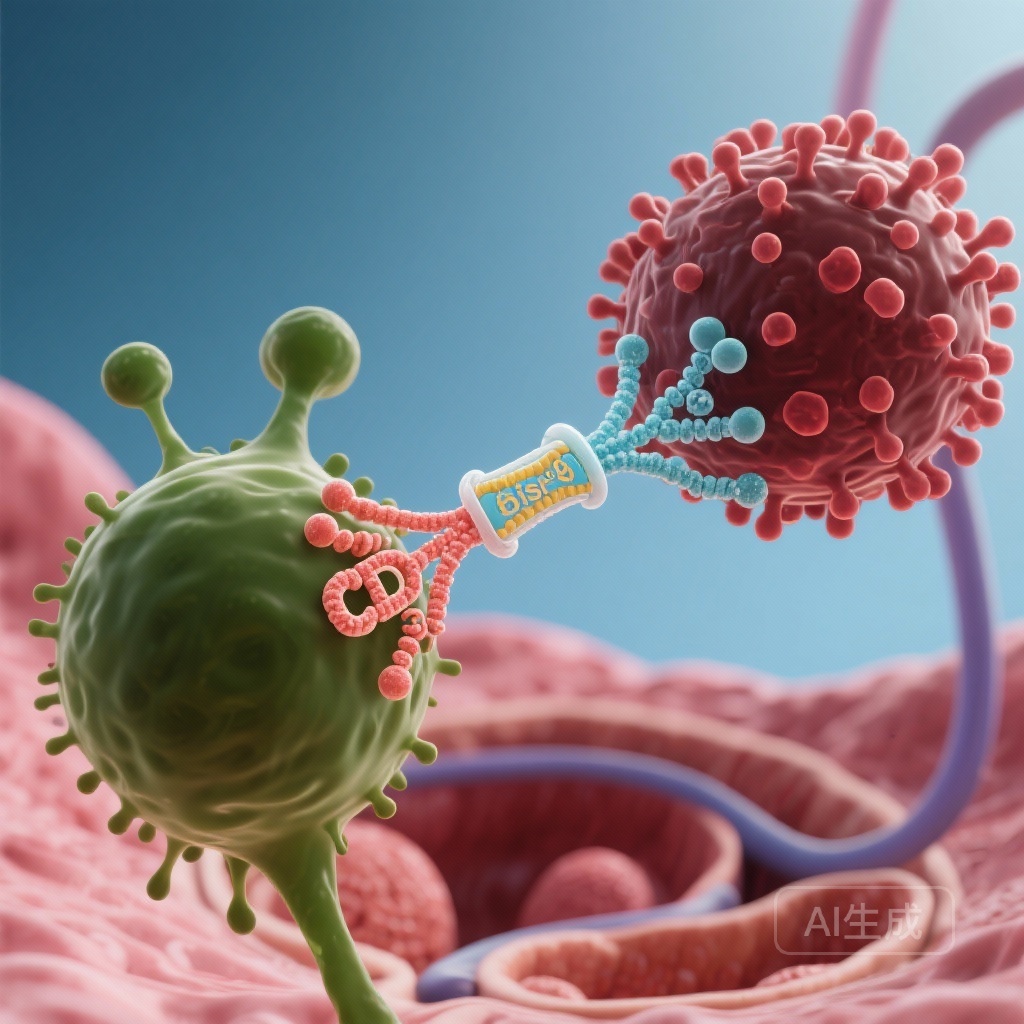
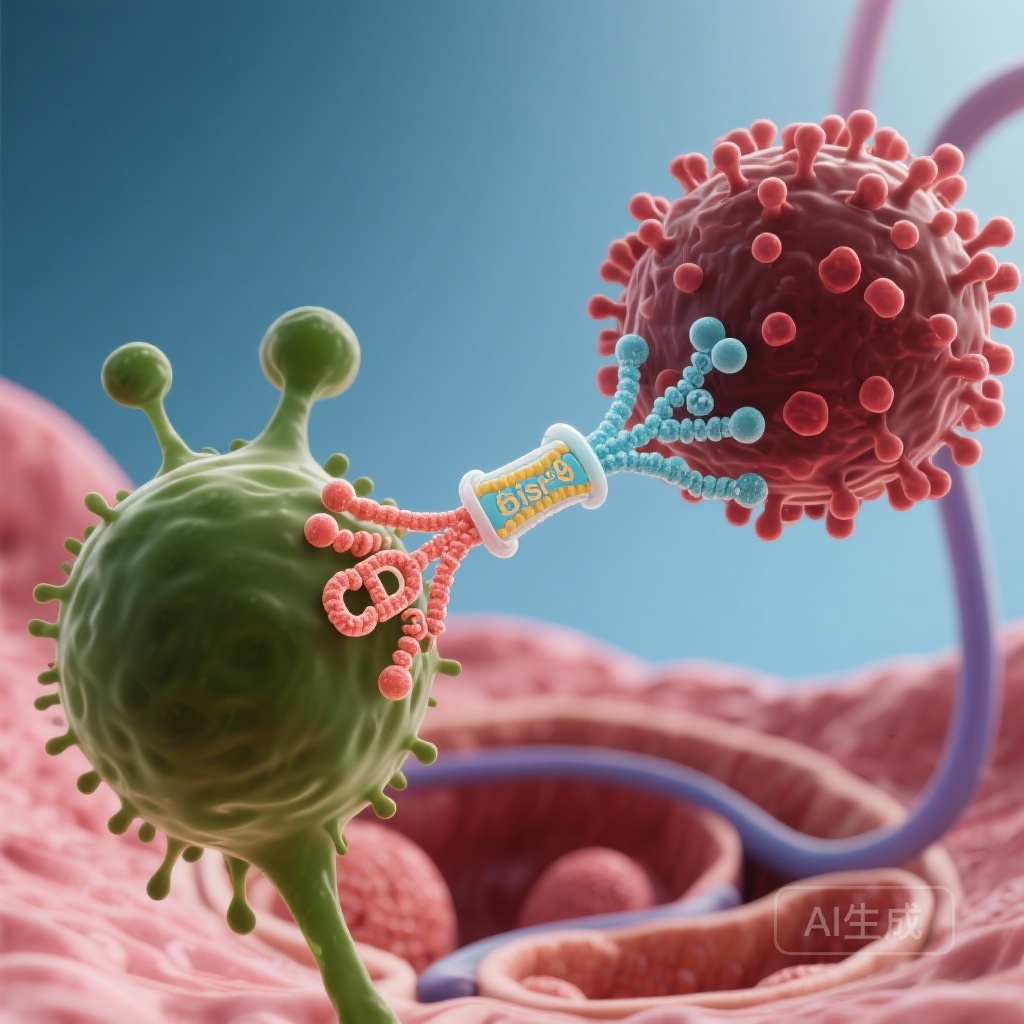
Epcoritamab是一种皮下注射的CD3×CD20双特异性抗体,代表了治疗领域的转变。通过同时结合T细胞上的CD3和恶性B细胞上的CD20,epcoritamab诱导强烈的T细胞介导的细胞毒性活性。EPCORE CLL-1试验旨在评估这一机制是否能为RT患者带来有意义的临床益处。

研究设计与方法

EPCORE CLL-1是一项多中心、开放标签的1b/2期试验,在九个国家的24个专业中心进行。该研究旨在评估epcoritamab单药治疗(第2A组)、与来那度胺联合治疗(第2B组)或与R-CHOP联合治疗(第2C组)的安全性和初步活性。本报告重点介绍了单药治疗组(2A)的结果。

患者群体

符合条件的参与者为成人(≥18岁),组织学确诊为RT(DLBCL形态),且ECOG表现状态为0–2。值得注意的是,该试验允许最多接受过两次RT定向治疗的患者参与,因此这是一个包括初治和复发/难治患者的代表性队列。在42名入组患者中,50%接受epcoritamab作为RT的一线治疗。

治疗方案

Epcoritamab采用逐步剂量递增的方式皮下给药,以减轻细胞因子释放综合征(CRS)的风险。在逐步剂量递增阶段之后,第1–3周期每周给予48 mg全剂量,第4–9周期每两周一次,此后每四周一次,直至疾病进展或不可接受的毒性。

终点

主要终点是根据Lugano 2014标准由研究者评估的总体缓解率(ORR)。该研究采用统计设计,比较30% ORR的零假设与50% ORR的备择假设。次要终点包括安全性、缓解持续时间和高风险亚组的结局。

疗效结果:数据的深入分析

从2021年10月到2025年3月,共有42名患者入组并接受治疗。在中位随访时间为22.9个月(对于这种侵袭性疾病而言是一个相当长的时间)时,研究者评估的ORR为47.6%(95% CI:32.0–63.6)。虽然这一结果未能严格达到预设的50%备择假设,但在RT的历史背景下,观察到的临床活性仍然具有重要意义。

亚组表现

Epcoritamab在一线治疗中的疗效尤为显著。在接受epcoritamab作为一线RT治疗的21名患者中,ORR达到了57.1%(95% CI:34.0–78.2)。相比之下,接受过RT定向治疗的患者ORR为38.1%。

RT的一个最关键挑战是TP53异常或del(17p)的存在,这些异常通常导致对DNA损伤化疗的耐药。在本研究中,20名患者基线时存在这些高风险改变。在这一亚组中,epcoritamab的ORR为40%(95% CI:19.1–63.9),表明epcoritamab的T细胞参与机制可以绕过一些传统的化疗耐药途径。

安全性和耐受性概况

Epcoritamab单药治疗在RT中的安全性基本与其在其他B细胞淋巴瘤(如DLBCL和滤泡性淋巴瘤)中的已知概况一致。

细胞因子释放综合征(CRS)

CRS发生在42名患者中的36名(86%)。然而,大多数事件为低级别(1级或2级)。只有3名患者(7%)出现3级CRS,未报告4级或5级事件。逐步剂量递增和预防措施在管理这种免疫介导的毒性方面被证明是有效的。

神经系统事件和其他毒性

免疫效应细胞相关神经毒性综合征(ICANS)在5名患者(12%)中报告,均为1级或2级。临床肿瘤溶解综合征(TLS)发生在5%的患者中,同样局限于低级别。最常见的3–4级不良事件为血液学事件:中性粒细胞减少症(45%)、贫血(38%)和血小板减少症(38%)。感染仍是一个值得关注的问题,21%的患者出现3–4级感染,这强调了在这一免疫功能受损人群中需要密切监测和支持性护理。

专家评论和临床解读

EPCORE CLL-1试验的结果为Richter转化的管理提供了谨慎乐观的前景。尽管试验未达到雄心勃勃的50% ORR统计目标,但47.6%的缓解率在一种难以获得持久缓解的疾病中代表着重大成就。

初治RT患者的57.1% ORR尤其令人信服。这引发了是否应将双特异性抗体提前到治疗算法中的问题,可能替代或增强强化化疗。此外,TP53异常病例中的活性表明,epcoritamab为之前被认为无法治疗的患者提供了一种可行的过渡到更确定性疗法(如异基因干细胞移植)的方法。

然而,必须承认局限性。该研究是一项单臂、1b/2期试验,样本量相对较小(N=42)。这些缓解的持久性和对总生存期的长期影响需要进一步调查。此外,低级别CRS的高发生率要求治疗必须由熟悉双特异性抗体管理的临床医生进行。

结论

Epcoritamab单药治疗在Richter转化患者中表现出具有临床意义的抗肿瘤活性和可管理的安全性。作为第一个在这一人群中显示出如此结果的皮下双特异性抗体,它在解决RT的高度未满足医疗需求方面迈出了重要一步。正在进行的epcoritamab与其他药物(如来那度胺或R-CHOP)联合使用的评估将进一步定义其在侵袭性B细胞恶性肿瘤不断发展的治疗格局中的作用。

资金和试验信息

本研究由Genmab A/S和AbbVie资助。ClinicalTrials.gov标识符:NCT04623541。

参考文献

1. Kater AP, Janssens A, Eradat H, 等. Epcoritamab单药治疗Richter转化(EPCORE CLL-1):一项单臂、多中心、开放标签、1b/2期试验的结果。Lancet Haematol. 2026 Jan;13(1):e8-e21. doi: 10.1016/S2352-3026(25)00327-8.
2. Lugano 2014标准用于淋巴瘤的反应评估。Cheson BD, 等. J Clin Oncol. 2014;32(27):3059-3068.
3. Richter转化:生物学、进展和挑战。Rossi D, 等. Blood. 2018;131(21):2361-2371.

Epcoritamab Monotherapy in Richter Transformation: Clinically Meaningful Outcomes from the EPCORE CLL-1 Trial

Epcoritamab Monotherapy in Richter Transformation: Clinically Meaningful Outcomes from the EPCORE CLL-1 Trial

Introduction: The Unmet Need in Richter Transformation

Richter transformation (RT), the development of an aggressive lymphoma—most commonly diffuse large B-cell lymphoma (DLBCL)—in patients with a history of chronic lymphocytic leukaemia (CLL) or small lymphocytic lymphoma (SLL), remains one of the most formidable challenges in clinical hematology. Historically, patients with RT face a dismal prognosis, with median survival typically ranging between 6 and 12 months. This is particularly true for those who have received prior CLL-directed therapies, such as BTK inhibitors or BCL-2 inhibitors, which often select for high-risk genomic features including TP53 aberrations and complex karyotypes. Standard chemoimmunotherapy regimens like R-CHOP often yield transient responses and significant toxicity, underscoring the urgent need for novel, targeted approaches.

Epcoritamab, a subcutaneous CD3×CD20 bispecific antibody, represents a shift in the therapeutic landscape. By simultaneously binding to CD3 on T-cells and CD20 on malignant B-cells, epcoritamab induces potent T-cell-mediated cytotoxic activity. The EPCORE CLL-1 trial sought to evaluate whether this mechanism could translate into meaningful clinical benefits for patients with RT.

Study Design and Methodology

EPCORE CLL-1 is a multicentre, open-label, phase 1b/2 trial conducted across 24 specialized centers in nine countries. The study was designed to assess the safety and preliminary activity of epcoritamab monotherapy (Group 2A), as well as combinations with lenalidomide (Group 2B) or R-CHOP (Group 2C). The current report focuses on the results from the monotherapy group (2A).

Patient Population

Eligible participants were adults (≥18 years) with histologically confirmed RT (DLBCL morphology) and an ECOG performance status of 0–2. Notably, the trial permitted patients who had received up to two previous lines of RT-directed therapy, making this a representative cohort of both treatment-naive and relapsed/refractory patients. Of the 42 patients enrolled, 50% received epcoritamab as their first-line therapy for RT.

Treatment Regimen

Epcoritamab was administered subcutaneously using a step-up dosing schedule to mitigate the risk of cytokine release syndrome (CRS). Following the step-up phase, a full dose of 48 mg was administered weekly during cycles 1–3, every two weeks for cycles 4–9, and every four weeks thereafter until disease progression or unacceptable toxicity.

Endpoints

The primary endpoint was the investigator-assessed overall response rate (ORR) according to the Lugano 2014 criteria. The study utilized a statistical design comparing a null hypothesis of 30% ORR against an alternative hypothesis of 50% ORR. Secondary endpoints included safety, duration of response, and outcomes in high-risk subgroups.

Efficacy Results: A Closer Look at the Data

Between October 2021 and March 2025, 42 patients were enrolled and treated. At a median follow-up of 22.9 months—a substantial duration for this aggressive disease—the investigator-assessed ORR was 47.6% (95% CI: 32.0–63.6). While this result did not strictly meet the prespecified alternative hypothesis of 50%, the clinical activity observed remains highly significant given the historical context of RT.

Subgroup Performance

The efficacy of epcoritamab appeared particularly pronounced in the frontline setting. Among the 21 patients receiving epcoritamab as first-line RT therapy, the ORR reached 57.1% (95% CI: 34.0–78.2). In contrast, patients who had received prior RT-directed therapy showed an ORR of 38.1%.

One of the most critical challenges in RT is the presence of TP53 aberrations or del(17p), which typically confer resistance to DNA-damaging chemotherapy. In this study, 20 patients had these high-risk alterations at baseline. Within this subgroup, epcoritamab achieved an ORR of 40% (95% CI: 19.1–63.9), suggesting that the T-cell engaging mechanism of epcoritamab can bypass some of the traditional pathways of chemoresistance.

Safety and Tolerability Profile

The safety profile of epcoritamab monotherapy in RT was largely consistent with its known profile in other B-cell lymphomas, such as DLBCL and follicular lymphoma.

Cytokine Release Syndrome (CRS)

CRS occurred in 36 (86%) of 42 patients. However, the majority of these events were low-grade (Grade 1 or 2). Only three patients (7%) experienced Grade 3 CRS, and no Grade 4 or 5 events were reported. The use of step-up dosing and prophylactic measures proved effective in managing this immune-mediated toxicity.

Neurological Events and Other Toxicities

Immune effector cell-associated neurotoxicity syndrome (ICANS) was reported in five patients (12%), all of which were Grade 1 or 2. Clinical tumour lysis syndrome (TLS) occurred in 5% of patients, also confined to low grades. The most common Grade 3–4 adverse events were hematologic: neutropenia (45%), anaemia (38%), and thrombocytopenia (38%). Infections remained a concern, with 21% of patients experiencing Grade 3–4 infections, highlighting the need for vigilant monitoring and supportive care in this immunocompromised population.

Expert Commentary and Clinical Interpretation

The findings from EPCORE CLL-1 offer a cautiously optimistic outlook for the management of Richter transformation. While the trial did not meet the ambitious 50% ORR statistical target for the full analysis set, the 47.6% response rate represents a major achievement in a disease where durable responses are rare.

The 57.1% ORR in treatment-naive RT patients is particularly compelling. It raises the question of whether bispecific antibodies should be moved earlier in the treatment algorithm, potentially replacing or augmenting intensive chemotherapy. Furthermore, the activity in TP53-aberrant cases suggests that epcoritamab provides a viable bridge to more definitive therapies, such as allogeneic stem cell transplantation, for patients who were previously considered untreatable.

However, limitations must be acknowledged. The study was a single-arm, phase 1b/2 trial with a relatively small sample size (N=42). The durability of these responses and the long-term impact on overall survival require further investigation. Additionally, the high incidence of low-grade CRS necessitates that treatment be administered by clinicians familiar with the management of bispecific antibodies.

Conclusion

Epcoritamab monotherapy demonstrates clinically meaningful antitumor activity and a manageable safety profile in patients with Richter transformation. As the first subcutaneous bispecific antibody to show such results in this population, it represents a significant step forward in addressing the high unmet medical need of RT. Ongoing evaluations of epcoritamab in combination with other agents, such as lenalidomide or R-CHOP, may further define its role in the evolving treatment landscape of aggressive B-cell malignancies.

Funding and Trial Information

This study was funded by Genmab A/S and AbbVie. ClinicalTrials.gov Identifier: NCT04623541.

References

1. Kater AP, Janssens A, Eradat H, et al. Epcoritamab monotherapy for Richter transformation (EPCORE CLL-1): findings from a single-arm, multicentre, open-label, phase 1b/2 trial. Lancet Haematol. 2026 Jan;13(1):e8-e21. doi: 10.1016/S2352-3026(25)00327-8.
2. Lugano 2014 criteria for response assessment in lymphoma. Cheson BD, et al. J Clin Oncol. 2014;32(27):3059-3068.
3. Richter Transformation: Biology, Progress, and Challenges. Rossi D, et al. Blood. 2018;131(21):2361-2371.

Epcoritamab Monotherapy Demonstrates Potent Antitumor Activity in Richter Transformation: Insights from EPCORE CLL-1

Epcoritamab Monotherapy Demonstrates Potent Antitumor Activity in Richter Transformation: Insights from EPCORE CLL-1

Introduction: The Unmet Need in Richter Transformation

Richter transformation (RT) represents one of the most formidable challenges in modern hematology. Defined as the sudden progression of chronic lymphocytic leukaemia (CLL) or small lymphocytic lymphoma (SLL) into an aggressive lymphoma—most commonly diffuse large B-cell lymphoma (DLBCL)—RT is associated with an exceptionally poor prognosis. Historically, patients with RT have faced a median survival of only 6 to 12 months. This prognosis is further exacerbated in patients who have previously been treated with covalent BTK inhibitors or those harboring high-risk genetic features such as TP53 aberrations or del(17p).

Standard chemoimmunotherapy regimens, such as R-CHOP, often fail to provide durable responses in this population. Consequently, there is an urgent clinical need for novel therapeutic strategies that bypass traditional resistance mechanisms. The EPCORE CLL-1 trial sought to address this by investigating epcoritamab, a first-in-class subcutaneous CD3×CD20 bispecific antibody, as a monotherapy for patients with RT.

Study Design and Patient Population

The EPCORE CLL-1 trial (NCT04623541) is a multicentre, open-label, phase 1b/2 study conducted across 24 centers internationally. The trial was designed with several expansion groups to evaluate epcoritamab both as a monotherapy and in combination with other agents. This report focuses specifically on Group 2A, which evaluated epcoritamab monotherapy.

Patient Eligibility and Baseline Characteristics

Eligible participants were adults with histologically confirmed RT (DLBCL subtype) and an ECOG performance status of 0–2. Notably, the trial permitted patients who had received up to two previous lines of RT-directed therapy.

A total of 42 patients were enrolled between October 2021 and March 2025. The median age was 69 years. The baseline characteristics reflected a high-risk population: the median time from CLL diagnosis to RT was 7.6 years, and 50% of the cohort received epcoritamab as their first-line therapy for RT. Furthermore, 48% of patients (20 out of 42) had TP53 aberrations and/or del(17p) at baseline, a subgroup that typically responds poorly to conventional treatments.

Treatment Protocol

Epcoritamab was administered subcutaneously using a step-up dosing schedule to mitigate the risk of cytokine release syndrome (CRS). Following the step-up phase, patients received a full dose of 48 mg weekly during Cycles 1–3, every two weeks during Cycles 4–9, and every four weeks thereafter until disease progression or intolerable toxicity occurred.

Key Findings: Efficacy and Clinical Response

The primary endpoint of the study was the investigator-assessed overall response rate (ORR) according to Lugano 2014 criteria. The study was powered to test a null hypothesis of a 30% ORR against an alternative hypothesis of 50%.

Overall Response Rates

At a median follow-up of 22.9 months, 20 of the 42 patients achieved a response, resulting in an ORR of 47.6% (95% CI 32.0–63.6). Although this result narrowly missed the prespecified alternative hypothesis of 50%, it represents a clinically significant improvement over historical benchmarks for this refractory population.

Response by Subgroup

Data from prespecified subgroup analyses provided deeper insights into the drug’s activity:

1. First-line RT Therapy: In patients receiving epcoritamab as their first treatment for RT, the ORR was 57.1% (12 of 21 patients).
2. Second-line or Later: For those who had failed previous RT-directed therapies, the ORR was 38.1% (8 of 21 patients).
3. High-Risk Genetics: In the subset of patients with TP53 aberrations and/or del(17p), the ORR remained robust at 40% (8 of 20 patients).

These findings suggest that epcoritamab maintains activity even in the presence of genomic instability that often renders chemotherapy ineffective.

Safety and Tolerability Profile

The safety profile of epcoritamab in the EPCORE CLL-1 trial was consistent with previous reports of bispecific antibodies in other B-cell malignancies.

Adverse Events

The most frequent grade 3–4 adverse events were hematological, including neutropenia (45%), anemia (38%), and thrombocytopenia (38%). Infections were reported in 21% of patients, with pneumonia occurring in 10% and COVID-19 in 5%. Three fatal adverse events occurred during the study (sepsis, cerebrovascular accident, and general health deterioration due to disease progression), but none were attributed to the study treatment by investigators.

Immune-Related Toxicities

Cytokine release syndrome (CRS) occurred in 86% of patients. However, the majority of these events were low-grade; only 7% of patients experienced grade 3 CRS, and no grade 4 or 5 events were reported. The median time to CRS onset was consistent with the step-up dosing schedule, allowing for predictable management.

Immune effector cell-associated neurotoxicity syndrome (ICANS) was observed in 12% of patients (5 out of 42), all of which were grade 1 or 2. Clinical tumour lysis syndrome (TLS) was rare, occurring in only 5% of the cohort (grade 1–2).

Expert Commentary: Interpreting the Data

While the primary endpoint did not strictly meet the 50% alternative hypothesis, the clinical community views these results with cautious optimism. In the context of Richter transformation, where therapeutic options are scarce and outcomes are generally dismal, an ORR of nearly 48% with a monotherapy agent is a notable achievement.

Biological Plausibility

The efficacy of epcoritamab in RT is biologically grounded in its ability to engage host T-cells to target CD20-positive malignant cells directly. Because this mechanism is independent of the DNA-damage response pathways (which are often mutated in RT via TP53 loss), it provides a bypass for chemoresistance. The subcutaneous administration also offers a logistical advantage and potentially a more controlled cytokine release profile compared to intravenous bispecifics.

Study Limitations

The primary limitation of this study is its single-arm design and relatively small sample size (n=42), which is common in rare and aggressive diseases like RT. Additionally, the investigator-assessed ORR might differ slightly from a central independent review, though the clinical signal remains clear.

Conclusion and Future Directions

The EPCORE CLL-1 trial demonstrates that epcoritamab monotherapy provides clinically meaningful antitumor activity in patients with Richter transformation, including those with high-risk genetic features and prior therapy. The manageable safety profile, characterized by predictable CRS and ICANS, supports its potential role in the treatment landscape of this aggressive disease.

Future research is already underway to explore whether combining epcoritamab with other agents—such as lenalidomide (Group 2B) or R-CHOP (Group 2C)—can further improve response rates and durability. For now, epcoritamab stands as a promising addition to the armamentarium against one of hematology’s most difficult-to-treat conditions.

Funding and Trial Registration

This trial was funded by Genmab A/S and AbbVie. ClinicalTrials.gov Identifier: NCT04623541.

References

1. Kater AP, Janssens A, Eradat H, et al. Epcoritamab monotherapy for Richter transformation (EPCORE CLL-1): findings from a single-arm, multicentre, open-label, phase 1b/2 trial. Lancet Haematol. 2026;13(1):e8-e21.
2. Lugano 2014 criteria for response assessment in lymphoma. Journal of Clinical Oncology.
3. Rossi D, et al. The genetics of Richter transformation. Blood. 2018.


Comments

No comments yet. Why don’t you start the discussion?

发表回复