Highlights
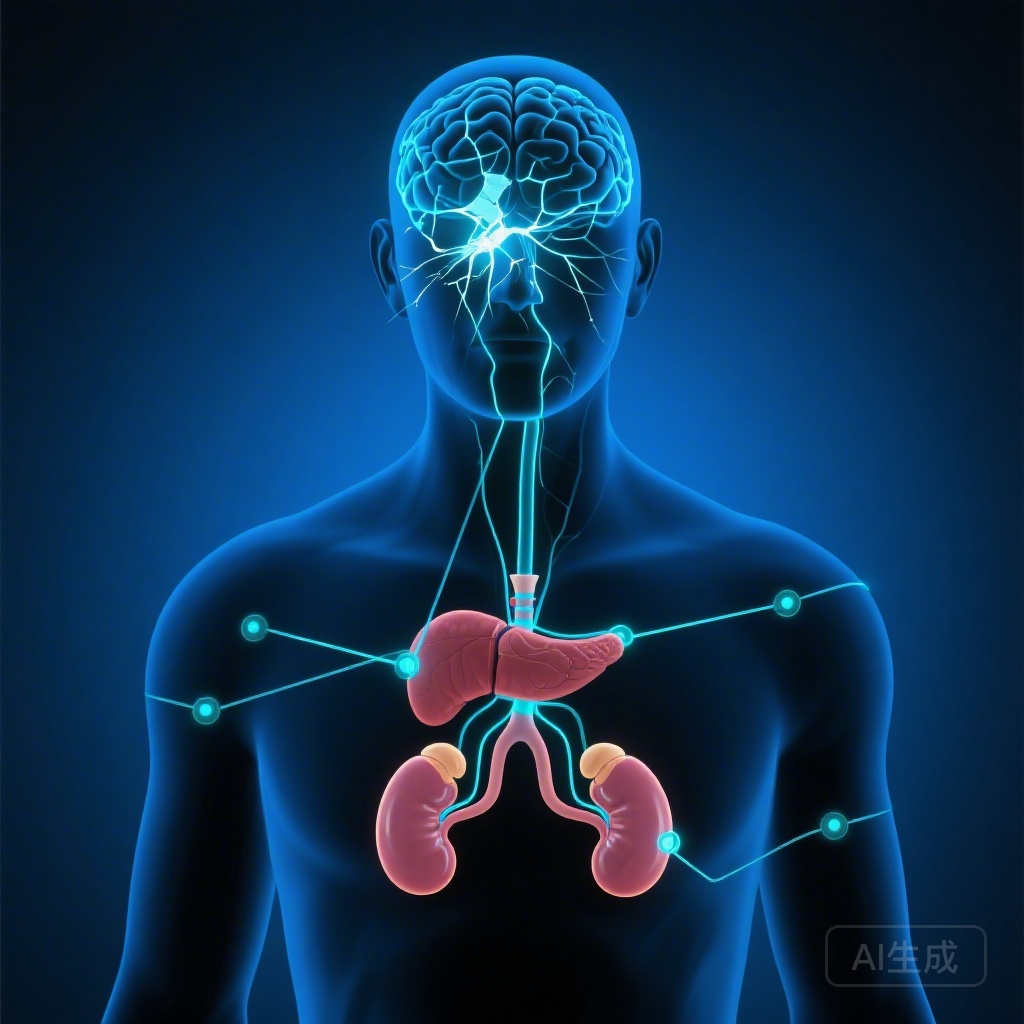
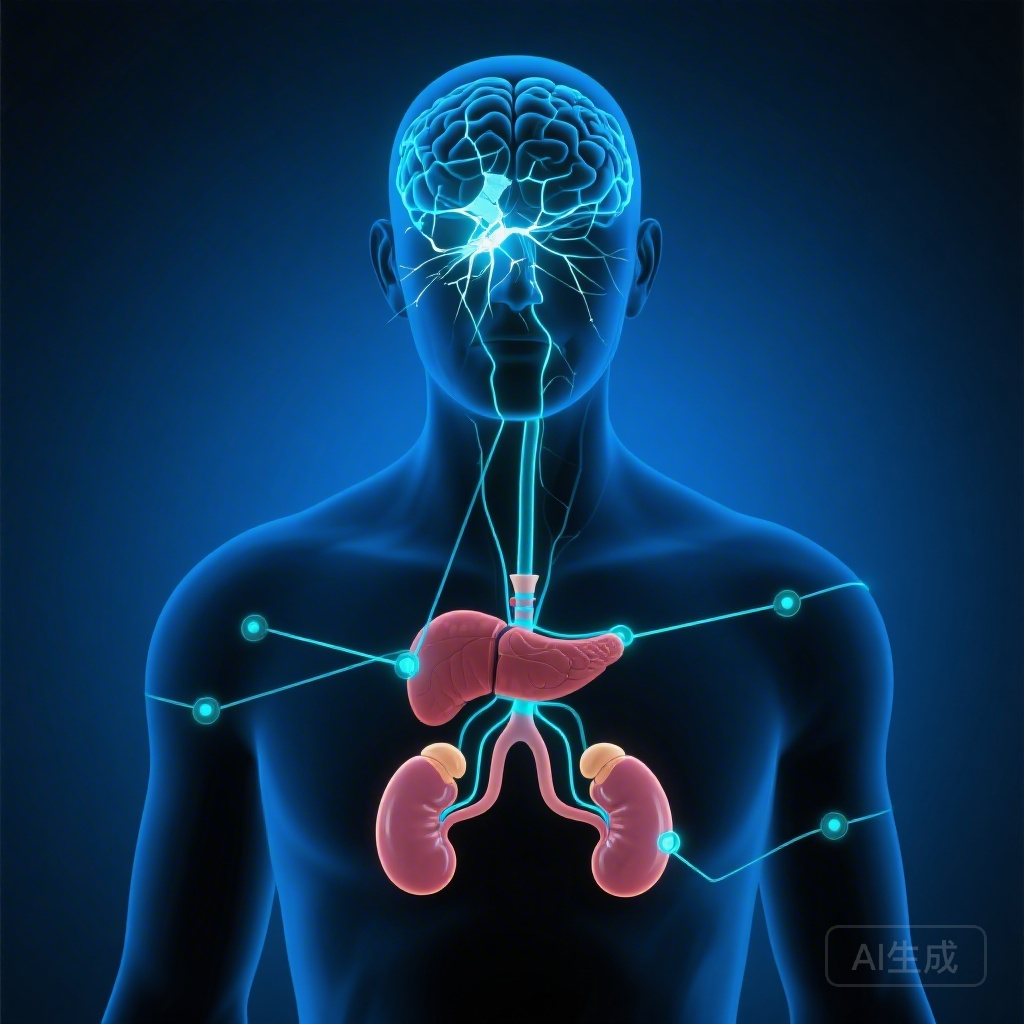
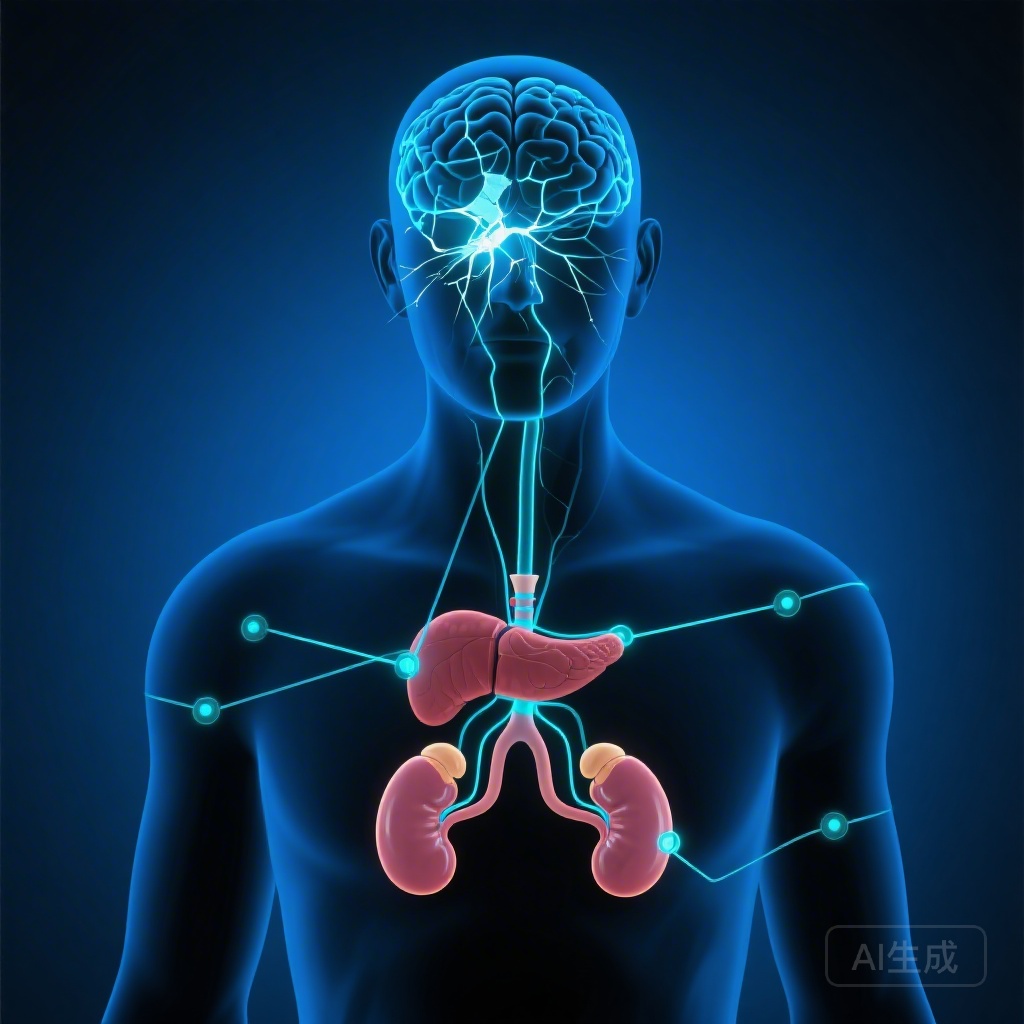
Delirium is associated with a significantly higher risk in 12 out of 15 investigated adverse clinical outcomes, including sepsis, stroke, and acute kidney injury.
The strongest associations were observed for urinary incontinence (subdistribution Hazard Ratio 2.01) and falls (sHR 1.96).
A clear dose-response relationship exists, with each additional delirium episode increasing the risk of future adverse events by 6% to 17%.
These risks persist even after matching for baseline frailty, primary diagnosis, and pre-existing dementia, suggesting delirium is an independent marker of systemic decline.
The Paradigm Shift: Delirium as More Than Transient Confusion
For decades, delirium was often viewed by clinicians as a transient, reversible state of confusion—a side effect of acute illness or medication that would resolve once the underlying trigger was treated. However, emerging evidence has begun to reposition delirium as ‘acute brain failure,’ a critical event that reflects a profound lack of physiological reserve. While the links between delirium and subsequent cognitive decline or mortality are well-documented, its role as a harbinger of broader multisystem failure has remained under-characterized.
A landmark matched cohort study published in the Lancet Healthy Longev. by Haapanen and colleagues provides compelling evidence that delirium is not merely a symptom of acute illness, but a sentinel event. By utilizing the extensive longitudinal data of the UK Biobank, the researchers have demonstrated that an episode of delirium serves as a powerful indicator of long-term vulnerability across nearly every major organ system. This study challenges the medical community to look beyond the immediate resolution of confusion and recognize delirium as a signal of a patient’s deteriorating trajectory of health.
Study Design: Isolating the Impact of Delirium via the UK Biobank
One of the primary challenges in delirium research is the confounding influence of frailty. Patients who develop delirium are often older and more frail to begin with, making it difficult to determine if delirium itself causes poor outcomes or if it is simply a marker of a pre-existing high-risk state. To address this, the researchers performed a robust matched cohort study using data from 14,909 individuals with delirium recruited into the UK Biobank between 2006 and 2010.
Each patient with delirium was matched 1:1 with a control participant who was also hospitalized but did not experience delirium. The matching process was exceptionally rigorous, accounting for age, sex, primary diagnosis, hospital length of stay, and intensive care unit (ICU) requirements. Most importantly, the study matched for the Hospital Frailty Risk Score (HFRS), a validated tool that uses ICD-10 codes to quantify a patient’s frailty burden. By balancing these factors at the index episode, the researchers were able to more clearly isolate the specific association between delirium and subsequent clinical sequelae.
The study followed participants for a maximum of 26 years, with a median follow-up of over one year, tracking 15 specific adverse outcomes during subsequent hospitalizations. These outcomes ranged from geriatric syndromes like falls and pressure injuries to acute medical crises such as myocardial infarction, sepsis, and acute kidney injury (AKI).
Key Findings: A Map of Multisystem Vulnerability
The results of the analysis were striking. Delirium was significantly associated with a higher risk of 12 out of the 15 adverse outcomes studied. Even after accounting for the competing risk of death—using Fine-Gray subdistribution hazard models—the presence of delirium during an initial hospital stay predicted a diverse array of future clinical complications.
Geriatric Syndromes and Physical Decline
The strongest associations were found in outcomes related to physical frailty and nursing care needs. Individuals with a history of delirium had twice the risk of future urinary incontinence (sHR 2.01; 95% CI 1.78–2.28) and nearly double the risk of subsequent falls (sHR 1.96; 95% CI 1.78–2.17). Furthermore, the risk of hip fractures was increased by 66%, and pressure injuries were 72% more likely in the delirium group. These findings suggest that delirium marks a threshold crossing into a state of heightened physical vulnerability and functional dependency.
Acute Medical and Organ-Specific Outcomes
Beyond functional decline, delirium was a potent predictor of acute organ dysfunction. The study found a 71% increased risk of future acute kidney injury (AKI) and a 67% increased risk of sepsis. The risk of stroke was elevated by 62%, and pneumonia by 53%. Even gastrointestinal bleeding and heart failure showed significant associations with a history of delirium. Interestingly, the only outcomes that did not show a statistically significant independent association were myocardial infarction, venous thromboembolism, and pulmonary embolism, suggesting that the vulnerability signaled by delirium may be more closely linked to inflammatory and neurovascular pathways rather than purely pro-thrombotic states.
The Dose-Response Relationship
Perhaps the most critical finding for clinical risk stratification was the dose-response relationship. The researchers observed that delirium intensity—defined by the number of delirium episodes within a 12-month period—correlated directly with the risk of future adverse events. Each additional episode of delirium was associated with a 6% to 17% incremental increase in the risk of subsequent complications. This suggests that recurrent delirium represents a cumulative insult to physiological resilience, progressively lowering the threshold for future system failure.
Expert Commentary: Mechanistic Insights and Clinical Implications
The biological plausibility of these findings lies in the concept of ‘systemic resilience.’ Delirium is increasingly understood as the clinical manifestation of a brain that can no longer maintain homeostasis under stress. The same mechanisms that drive delirium—such as systemic inflammation, blood-brain barrier disruption, and oxidative stress—likely reflect a broader systemic instability. When a patient develops delirium, they are essentially failing a physiological ‘stress test.’
From a clinical perspective, this study suggests that delirium should be treated as a major diagnostic finding, similar to a low ejection fraction in heart failure or a high creatinine in kidney disease. It is a ‘red flag’ that identifies a high-risk phenotype. For clinicians, the management of a patient who has recovered from delirium should not end at hospital discharge. Instead, these patients require proactive, multidisciplinary follow-up to mitigate the risks of falls, manage polypharmacy, and monitor for early signs of sepsis or organ dysfunction.
One limitation of the study is the reliance on ICD-10 codes to identify delirium, which is known to result in under-reporting. However, this likely means the study’s findings are conservative; if anything, the true associations between delirium and adverse outcomes might be even stronger if milder, undiagnosed cases were fully captured. Additionally, while the study matched for frailty, the inherent complexity of aging means that some residual confounding may exist.
Conclusion: Shifting the Clinical Focus
The UK Biobank data clearly demonstrates that delirium is an independent predictor of long-term adverse outcomes across multiple physiological systems. It is a sentinel event that provides a window into a patient’s future health trajectory. By recognizing delirium as a marker of multisystem vulnerability rather than a transient psychiatric disturbance, healthcare systems can better identify and protect our most vulnerable patients. The challenge now lies in developing post-hospitalization interventions that can effectively bolster resilience and prevent the cascade of complications that so often follows an episode of acute brain failure.
Funding and References
This research was supported by the Sigrid Jusélius Foundation, the Osk Huttunen Foundation, the Biomedicum Helsinki Foundation, and Finska Läkaresällskapet. The study utilized data from the UK Biobank under application number 55132.
References
Haapanen MJ, Ward DD, Mudge AM, Gordon EH, Graham FA, Rockwood K, Hubbard RE. Delirium and adverse clinical outcomes: a matched cohort study in the UK Biobank. Lancet Healthy Longev. 2026 Feb 9:100816. doi: 10.1016/j.lanhl.2025.100816. Epub ahead of print. PMID: 41679317.