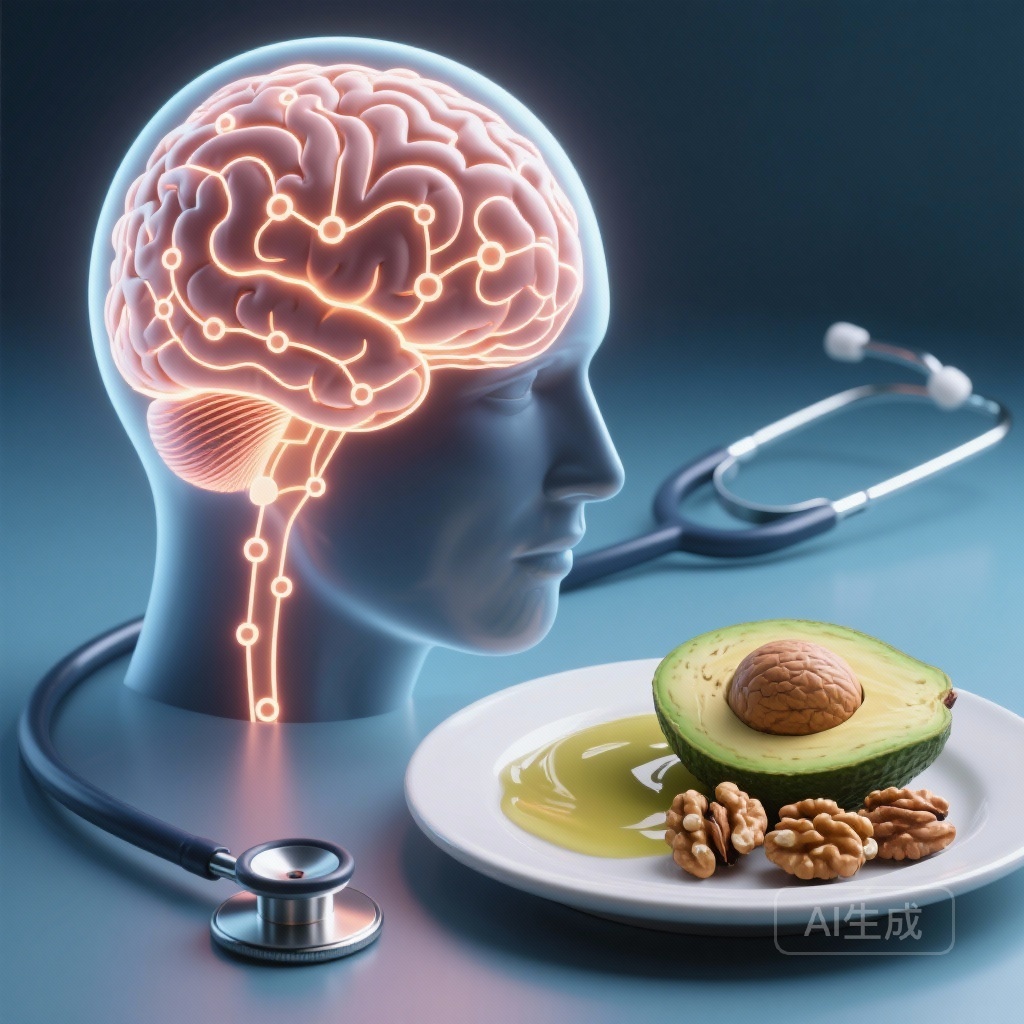
Highlights
In a recently published randomized clinical trial (RCT), researchers investigated the efficacy of a ketogenic diet (KD) for adults suffering from treatment-resistant depression (TRD). The primary findings indicate:
- The ketogenic diet group showed a statistically significant reduction in PHQ-9 scores compared to the control group at 6 weeks (mean difference -2.18; P = .05).
- Both the ketogenic diet and the phytochemical-rich control diet led to substantial improvements from baseline, suggesting a strong effect from structured dietary intervention and dietetic support.
- The antidepressant benefits of the ketogenic diet were not sustained at the 12-week follow-up, and no significant differences were found in secondary outcomes such as anxiety, anhedonia, or quality of life.
- The study highlights the emerging field of metabolic psychiatry but calls for caution regarding the clinical magnitude of dietary interventions as a primary treatment for TRD.
Background: The Metabolic-Psychiatry Nexus
Treatment-resistant depression (TRD) remains one of the most significant challenges in modern psychiatry, affecting approximately one-third of patients with major depressive disorder. When traditional pharmacotherapy and psychotherapy fail, clinicians often turn to neuromodulation or specialized interventions. Recently, the focus has shifted toward the metabolic underpinnings of mental health, a field now termed metabolic psychiatry.
The ketogenic diet—a high-fat, low-carbohydrate regimen—has been used for over a century to treat refractory epilepsy. Its mechanisms, which include the modulation of neurotransmitters (such as GABA and glutamate), reduction of neuroinflammation, and improvement in mitochondrial function, have led researchers to hypothesize its potential utility in psychiatric disorders. While preclinical models and case reports have been promising, high-quality evidence from randomized clinical trials has been sparse until now.
Study Design and Methodology
The study, conducted by Gao and colleagues and published in JAMA Psychiatry (2026), was an RCT designed to assess whether a KD could outperform a well-matched healthy control diet in a TRD population. The trial included 88 participants from across the UK, aged 18 to 65, all of whom met the criteria for TRD and had a baseline PHQ-9 score of 15 or higher.
The Interventions
Participants were randomized 1:1 into two 6-week dietary arms:
- Ketogenic Diet (KD): This group received prepared foods providing less than 30 g of carbohydrates per day. They were supported by weekly individual dietetic consultations to ensure adherence and manage the transition into ketosis.
- Phytochemical (Phyto) Diet: The control group followed a diet emphasizing high vegetable and fruit intake, replacing saturated fats with unsaturated fats. They received vouchers for produce and the same frequency of dietetic support, ensuring that the “care effect” was balanced between groups.
Primary and Secondary Endpoints
The primary outcome was the change in the 9-item Patient Health Questionnaire (PHQ-9) score from baseline to week 6. Secondary measures included long-term follow-up at 12 weeks, as well as assessments for anxiety (GAD-7), anhedonia, cognitive function, and overall quality of life.
Key Findings: Statistical vs. Clinical Significance
The results of the trial present a nuanced picture of dietary intervention in psychiatry.
Primary Outcome: Week 6 Results
Both groups experienced a marked decrease in depression severity. The KD group’s PHQ-9 scores dropped by an average of 10.5 points, while the Phyto group dropped by 8.3 points. The between-group difference of -2.18 reached the threshold for statistical significance (P = .05). The calculated Cohen d effect size was -0.68, which is generally considered a moderate effect.
Secondary Outcomes and 12-Week Follow-up
Despite the early promise at 6 weeks, the difference between the groups narrowed by week 12. The mean difference fell to -1.85 and was no longer statistically significant (P = .10). Furthermore, the study failed to find significant between-group differences in anxiety scores, remission rates, or cognitive improvements. This suggests that while the KD may provide an initial “boost” in mood, its superiority over a standard healthy diet may not be robust across all domains of mental health.
Safety and Tolerability
Importantly, the study reported no serious adverse events. This adds to the growing body of evidence that a supervised ketogenic diet is safe for psychiatric patients, provided there is adequate clinical and nutritional oversight.
Expert Commentary: Interpreting the Data
The modest difference between the KD and the Phyto diet raises several questions for clinicians. First, the Phyto diet was itself a very healthy intervention. In many nutritional trials, the control group follows their “usual diet,” which often includes ultra-processed foods. By using a high-quality control diet, this study set a high bar for the KD to overcome. The fact that both groups improved so significantly suggests that moving away from a standard Western diet toward any structured, nutrient-dense plan—combined with regular professional support—has a powerful therapeutic effect.
Mechanistic Insights
Why did the KD show a slight edge at 6 weeks? From a physiological perspective, the production of beta-hydroxybutyrate (BHB) during ketosis may provide the brain with a more efficient fuel source than glucose, particularly in patients with cerebral insulin resistance. Ketones also possess signaling properties that can dampen the NLRP3 inflammasome, a key player in the neuroinflammatory pathways associated with depression.
Study Limitations
Critics point out that the 6-week duration may be too short to observe profound structural or functional brain changes. Additionally, the sample size (n=88), while respectable for a dietary RCT, may have been underpowered to detect smaller differences in secondary outcomes. The loss of significance at 12 weeks also suggests challenges with long-term adherence once the intensive 6-week support period ended.
Conclusion and Clinical Implications
The trial by Gao et al. provides a critical piece of the puzzle in nutritional psychiatry. It confirms that a ketogenic diet is a feasible and safe adjunct intervention for treatment-resistant depression and can lead to rapid improvements in mood. However, the modest effect size relative to another healthy diet suggests that ketosis is not a “magic bullet.”
For clinicians, the takeaway is twofold: first, dietary intervention should be considered a legitimate component of TRD management; and second, the specific type of healthy diet may be less critical than the overall shift toward high-quality, whole-food nutrition and the provision of professional dietetic support. Future research should focus on identifying specific biomarkers that might predict which patients are most likely to respond to metabolic interventions.
Funding and Trial Registration
This study was supported by various UK-based health and research initiatives. ClinicalTrials.gov Identifier: NCT06091163.
References
- Gao M, Kirk M, Knight H, et al. A Ketogenic Diet for Treatment-Resistant Depression: A Randomized Clinical Trial. JAMA Psychiatry. 2026 Feb 4. doi: 10.1001/jamapsychiatry.2025.4431.
- Sethi R, Wakeham D, Ketogenic diet in the treatment of primary psychiatric disorders: A review. Frontiers in Psychiatry. 2020;11:319.
- Norwitz NG, Sethi R, Palmer CM. Ketogenic diet as a metabolic treatment for mental illness. Current Opinion in Endocrinology, Diabetes and Obesity. 2020;27(5):269-274.