Highlights
- Durable left ventricular assist device (LVAD) support is associated with a significantly higher incidence of severe primary graft dysfunction (PGD) after heart transplantation (12.7% vs 7.4%).
- Paradoxically, LVAD-supported patients who develop severe PGD have a significantly lower 1-year mortality rate (28.8%) compared to non-LVAD patients with severe PGD (40.7%).
- Key clinical risk factors for severe PGD in the LVAD population include elevated pre-transplant creatinine, high CVP/PCWP ratios, and prolonged donor ischemic time.
- Venous congestion surrogates are more predictive of PGD in the LVAD population than traditional hemodynamic markers.
The Evolving Landscape of Bridge-to-Transplant
Primary graft dysfunction (PGD) remains a formidable challenge in the field of heart transplantation (HT), serving as the leading cause of early post-operative mortality. As the clinical profile of transplant candidates shifts toward higher acuity and more complex mechanical circulatory support (MCS), understanding the interplay between pre-transplant durable left ventricular assist devices (LVADs) and post-transplant outcomes is paramount. Historically, single-center studies suggested that LVAD support might predispose patients to PGD, but the broader implications on long-term survival and the specific physiological drivers of this risk have remained under-explored. A recent landmark study published in JACC: Heart Failure by Truby et al. (2025) provides much-needed clarity on this ‘LVAD paradox.’
Study Methodology: The International Consortium on PGD
To investigate these trends, researchers leveraged data from the International Consortium on PGD, a robust multicenter database designed to quantify outcomes and identify clinical risk factors. The study included a final analysis of 4,125 transplant recipients across 14 specialized heart transplant centers. All donor hearts were procured using the donation after brain death (DBD) strategy. Within this cohort, 1,091 patients (26%) were supported by a durable LVAD at the time of transplantation.
The primary endpoint was the development of severe PGD, defined according to standardized International Society for Heart and Lung Transplantation (ISHLT) criteria. The research team utilized univariate and multivariable logistic regression to analyze a priori defined variables—such as renal function, hemodynamic ratios, and donor characteristics—to determine their association with severe PGD specifically within the LVAD-supported subgroup.
Major Findings: The Paradox of Risk and Resilience
Incidence of Severe PGD
The study confirmed that LVAD-supported patients are indeed at a higher risk for post-transplant complications. Severe PGD occurred in 8.6% of the total cohort. However, when stratified by support status, the incidence was nearly double in the LVAD group: 12.7% of LVAD-supported patients developed severe PGD, compared to only 7.4% of those without LVAD support (P < 0.001). This confirms that the technical and physiological complexity of a re-do sternotomy and the chronic inflammatory state associated with LVADs may contribute to early graft failure.
The Survival Advantage
The most striking finding of the research was the survival disparity among those who developed severe PGD. Despite the higher frequency of the complication, LVAD-supported patients demonstrated a remarkable resilience. The 1-year mortality rate for LVAD patients with severe PGD was 28.8% (95% CI: 22.0%-37.1%). In stark contrast, patients without LVAD support who developed severe PGD faced a significantly higher mortality rate of 40.7% (95% CI: 34.6%-47.7%; log-rank P = 0.025). This ‘survival paradox’ suggests that the experience of living with an LVAD may either ‘pre-condition’ the patient for the rigors of severe post-operative illness or that these patients benefit from more aggressive monitoring and established support systems that facilitate recovery.
Risk Stratification: Identifying High-Risk LVAD Candidates
Identifying which LVAD patients are most likely to develop PGD is critical for surgical planning and donor selection. The multivariable analysis highlighted three primary risk factors:
- Pre-HT Creatinine: Impaired renal function serves as a marker for systemic vulnerability and chronic end-organ congestion.
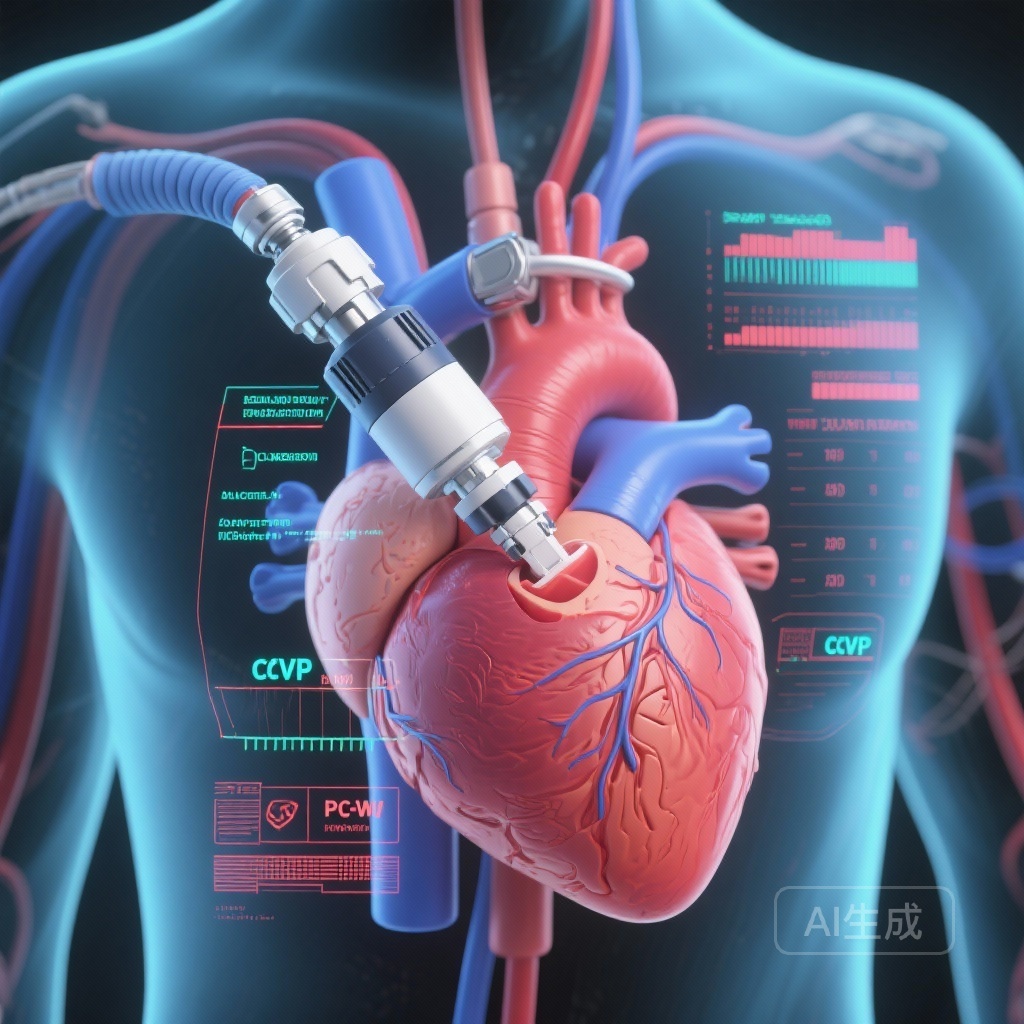
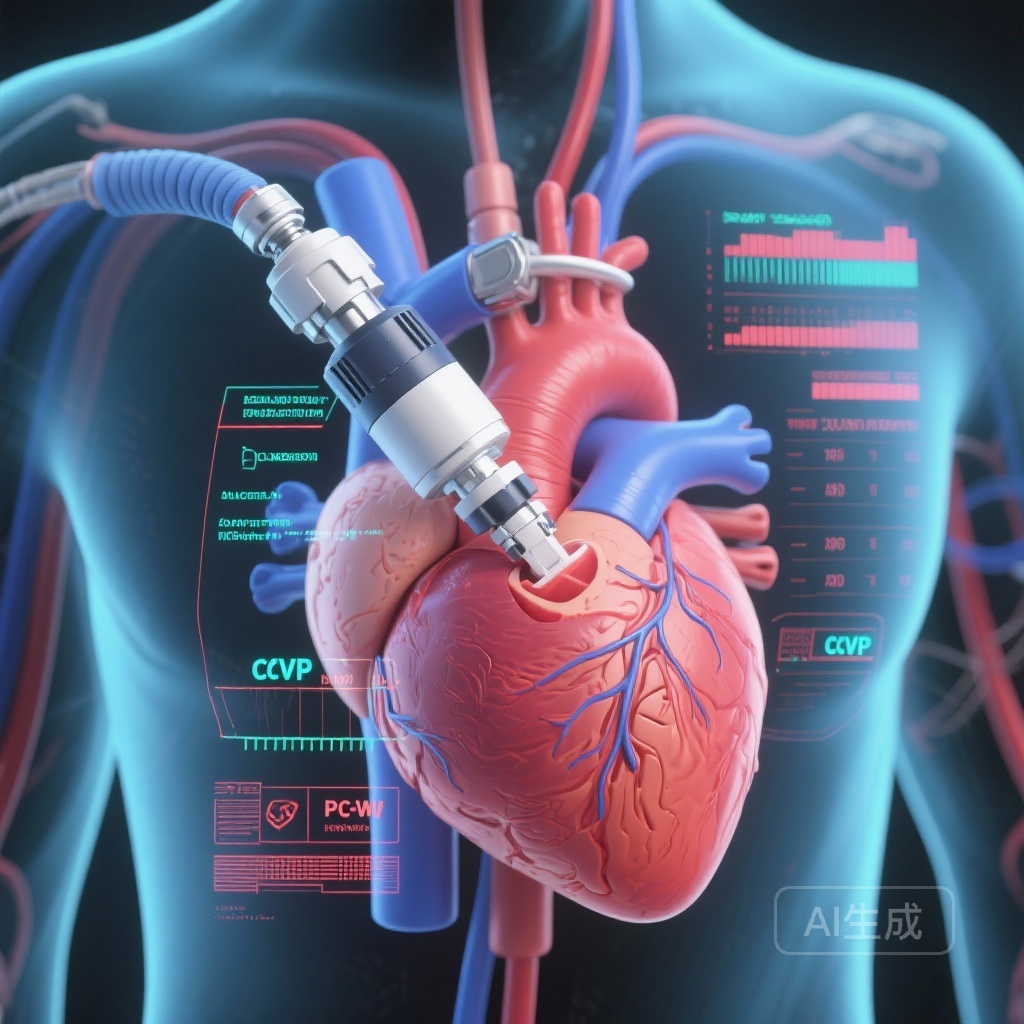
- CVP/PCWP Ratio: This ratio of central venous pressure to pulmonary capillary wedge pressure is a well-regarded surrogate for right ventricular (RV) dysfunction and systemic venous congestion. A higher ratio indicates that the right heart is struggling to handle the venous return, a state that often persists or worsens immediately after the donor heart is implanted.
- Donor Ischemic Time: As with all heart transplants, every additional minute of cold ischemia increases the risk of graft failure, but this effect appears particularly pronounced in the complex surgical environment of an LVAD explant.
Expert Commentary and Mechanistic Insights
The findings of Truby et al. suggest that the pathophysiology of PGD in LVAD patients may be distinct from that in the general transplant population. While the higher incidence of PGD may be attributed to increased surgical complexity—such as adhesions from previous surgery, longer bypass times, and more frequent blood product transfusions—the improved survival is more difficult to explain. Some experts hypothesize that the chronic unloading of the left ventricle provided by the LVAD helps stabilize pulmonary vascular resistance over time, making the newly transplanted heart’s job easier once the initial ‘storm’ of PGD is weathered. Additionally, LVAD patients are often managed in highly specialized centers with intensive hemodynamic monitoring, which may lead to earlier recognition and more effective management of PGD when it occurs.
The significance of the CVP/PCWP ratio cannot be overstated. It suggests that while the LVAD successfully treats left-sided failure, residual right-sided congestion remains a potent predictor of how well the patient will tolerate a new graft. Clinicians should view an elevated CVP/PCWP ratio as a ‘red flag’ necessitating meticulous donor matching and potentially the preemptive use of temporary right-sided support post-transplant.
Conclusion: Redefining Post-Transplant Care
The study by the International Consortium on PGD provides a nuanced view of heart transplantation in the modern era. While durable LVAD support does increase the statistical risk of severe PGD, it should not be viewed as a prognostic death sentence. In fact, the improved survival rates in this group compared to their non-LVAD counterparts suggest a level of physiological or clinical resilience that warrants further study. Moving forward, transplant teams should focus on optimizing venous congestion and renal function before transplantation and minimizing donor ischemic time to mitigate the elevated risk of PGD in this vulnerable yet resilient population.
References
Truby LK, Moayedi Y, Signorile M, Steve Fan CP, Foroutan F, Ross H, Guzman-Bofarull J, Lerman JB, DeVore AD, Hall S, Takeda K, Chih S, Rodenas-Alesina E, Rivas-Lasarte M, Han J, Kim G, Moayedifar R, Couto-Mallon D, Luikart H, Henricksen E, Sabatino M, Tremblay-Gravel M, Noly PE, Miller R, Potena L, Crespo-Leiro M, Segovia-Cubero J, Farrero M, Zuckermann A, Khush KK, Farr M. Primary Graft Dysfunction in Patients Supported With Durable Left Ventricular Assist Devices Before Heart Transplantation. JACC Heart Fail. 2025 Nov;13(11):102618. doi: 10.1016/j.jchf.2025.102618. Epub 2025 Oct 11. PMID: 41074902.